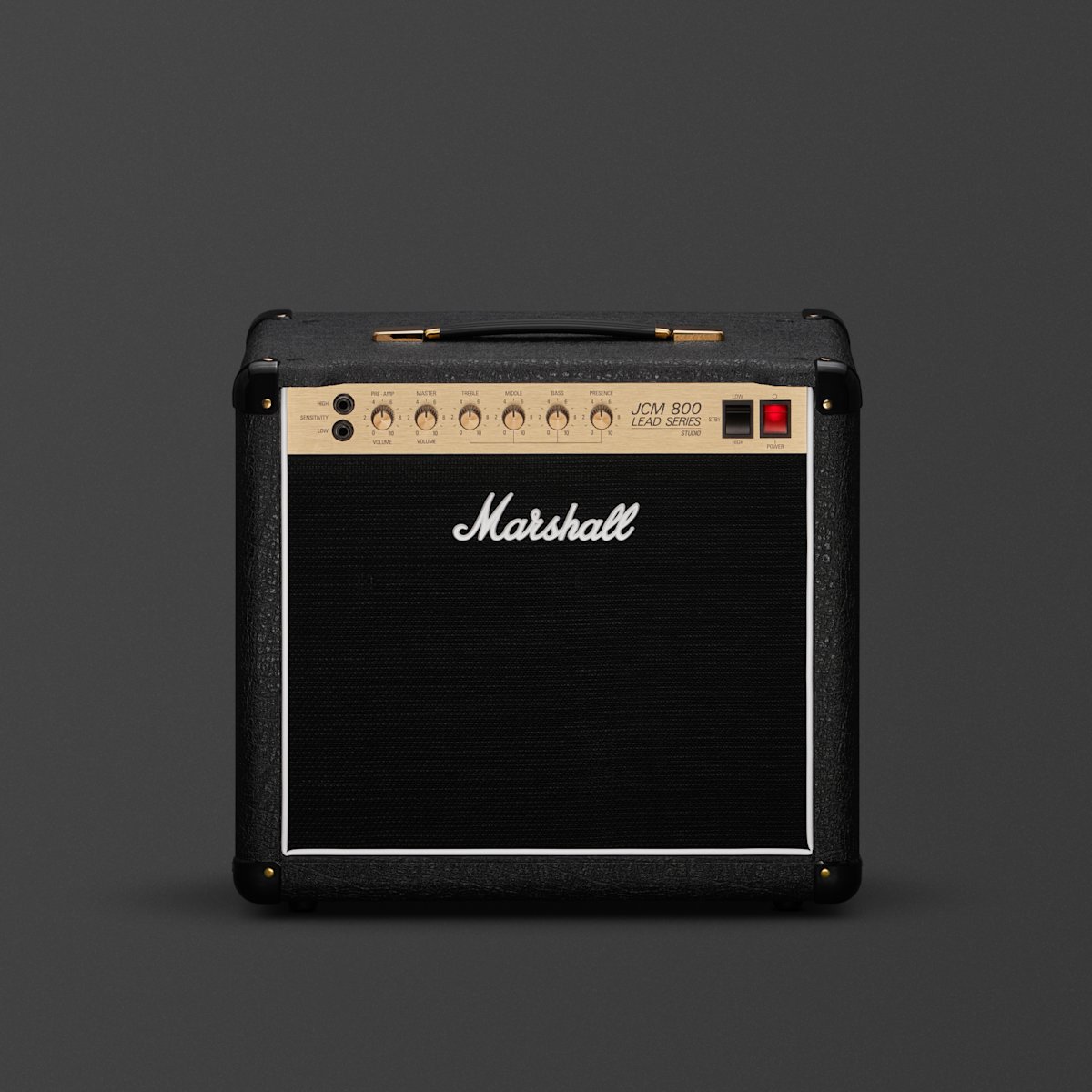
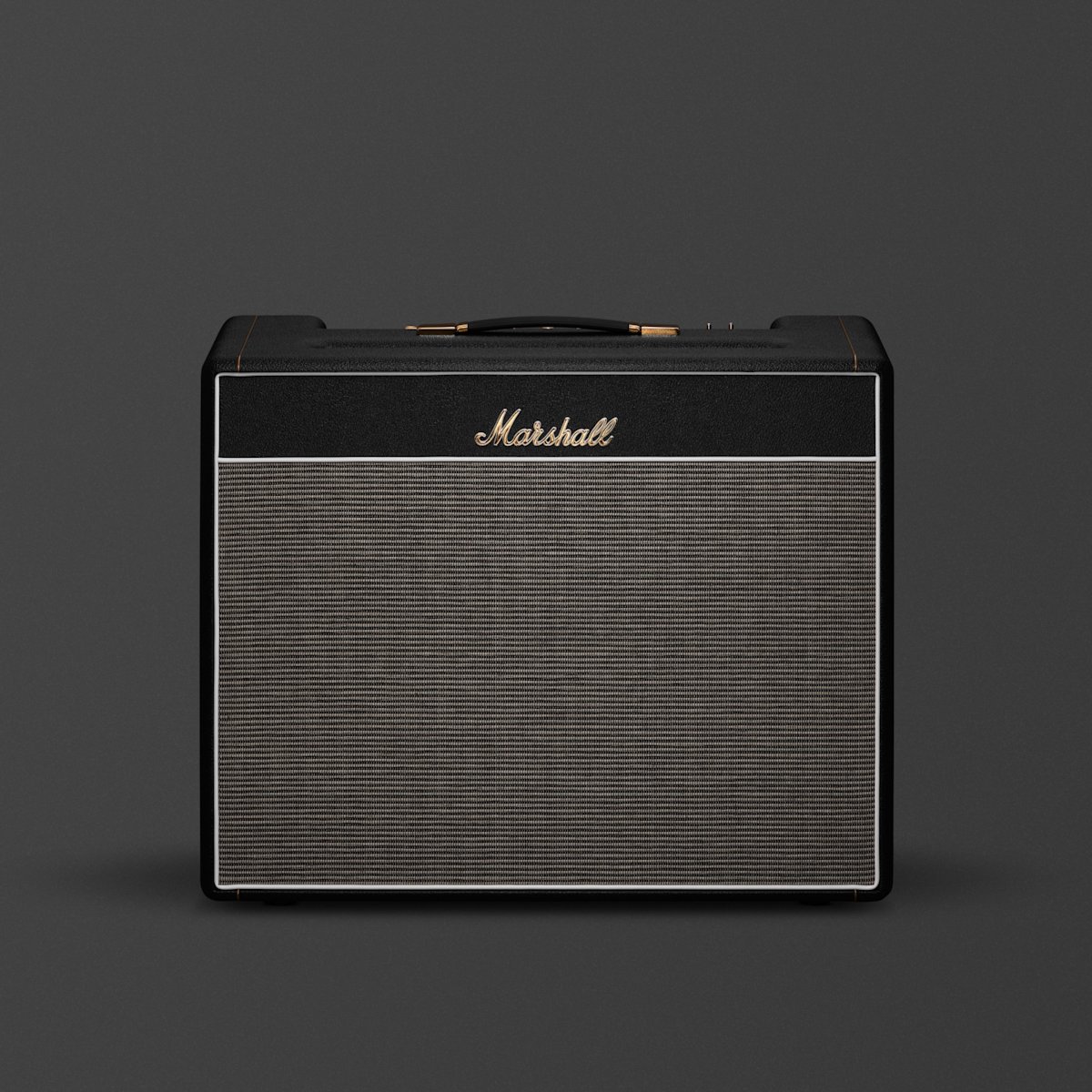
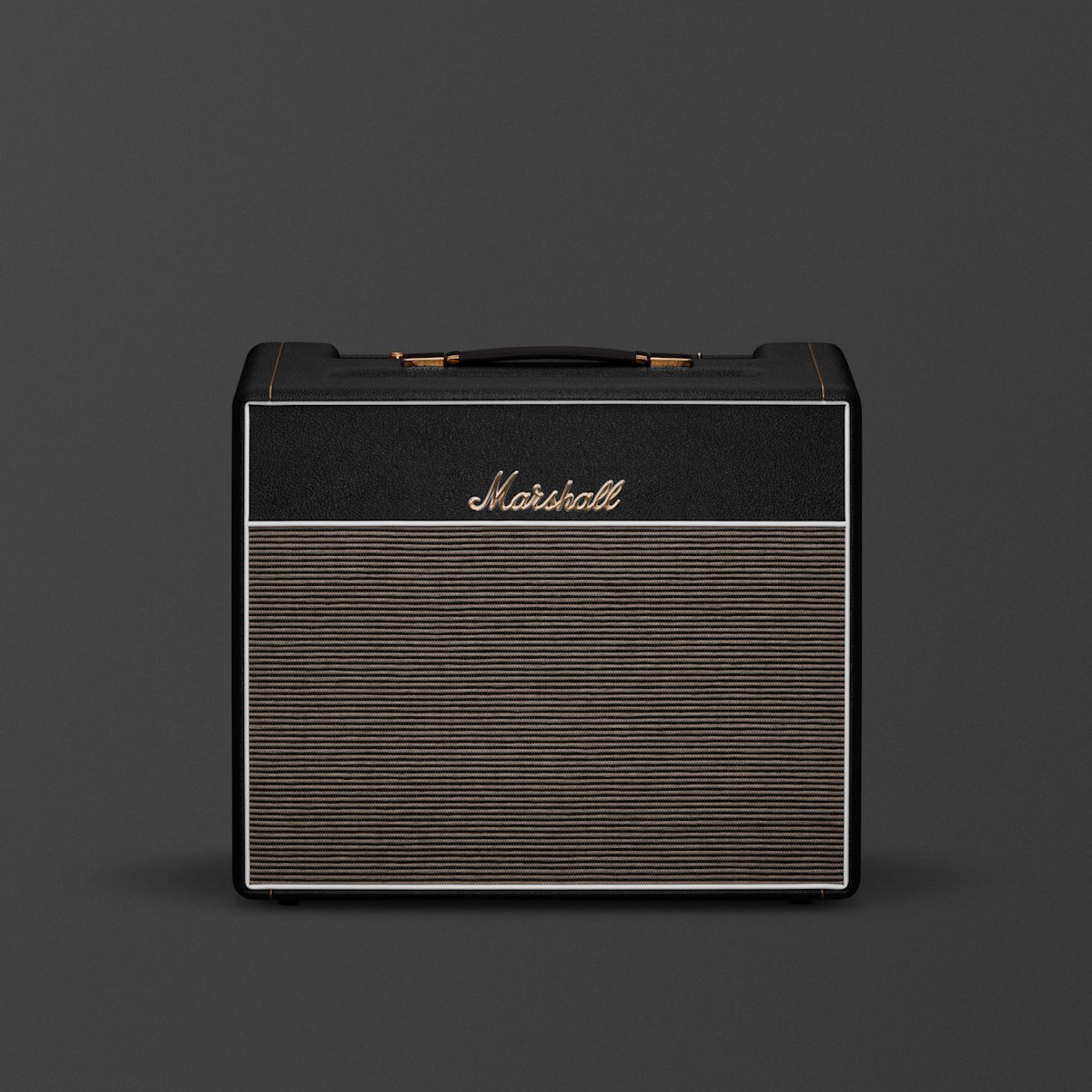
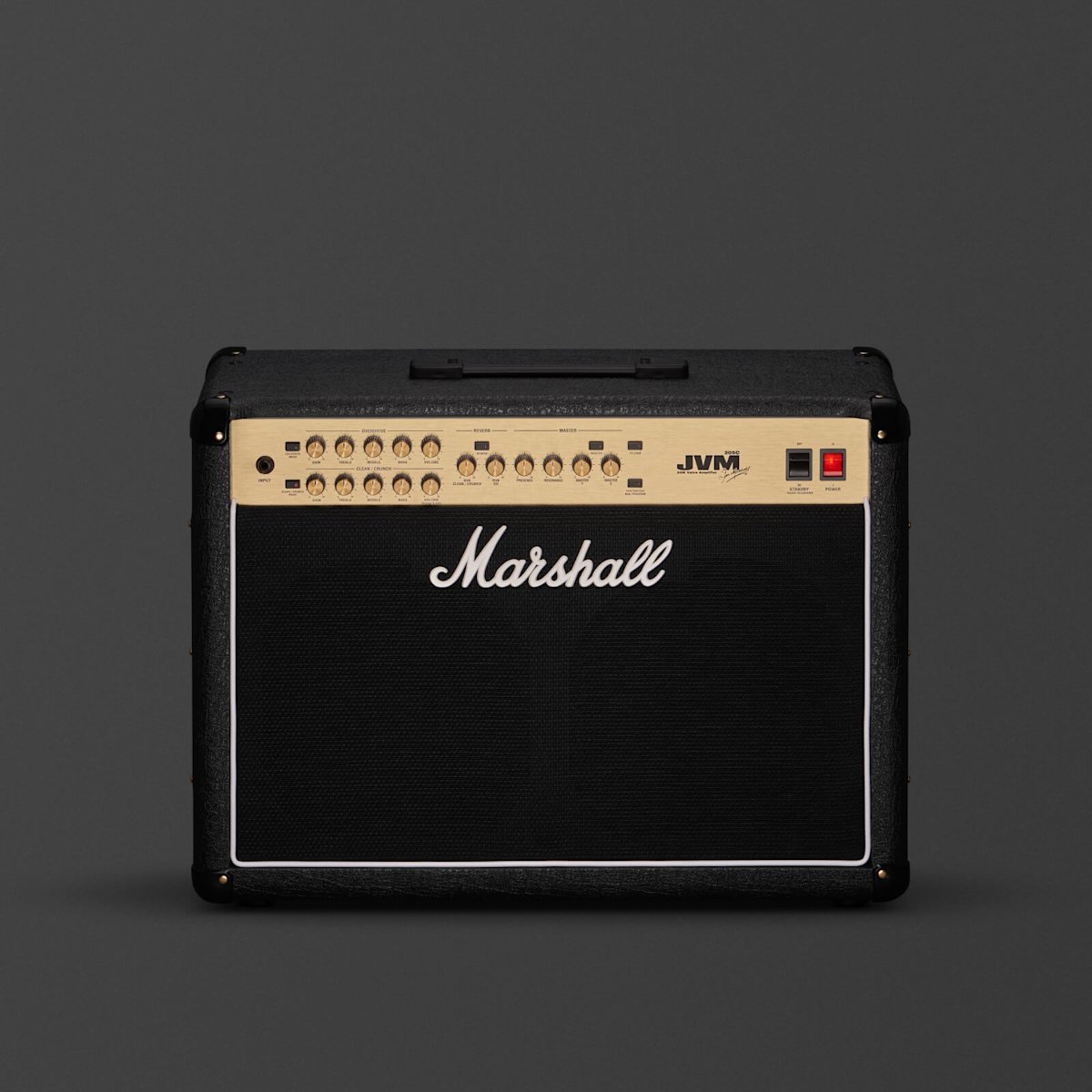
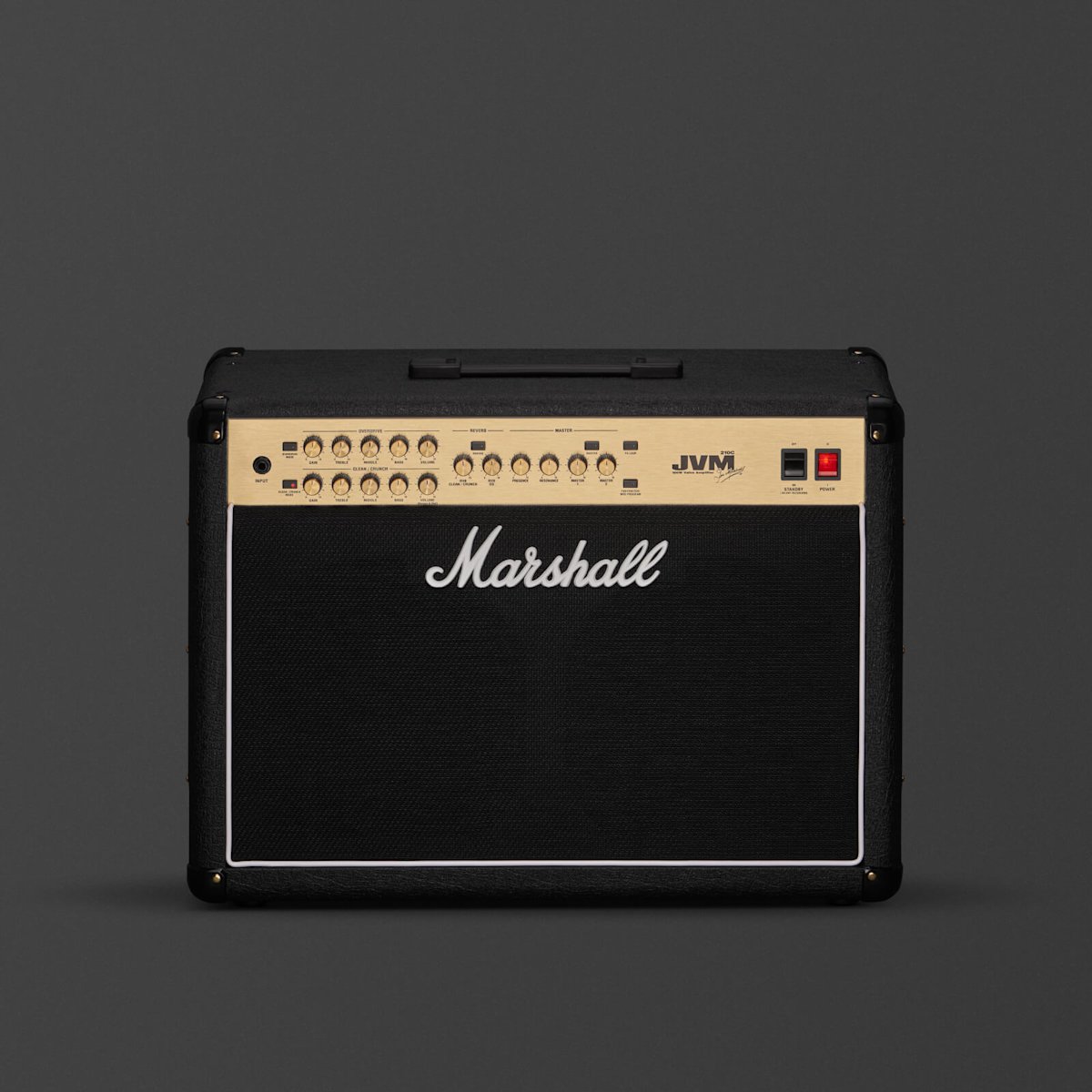
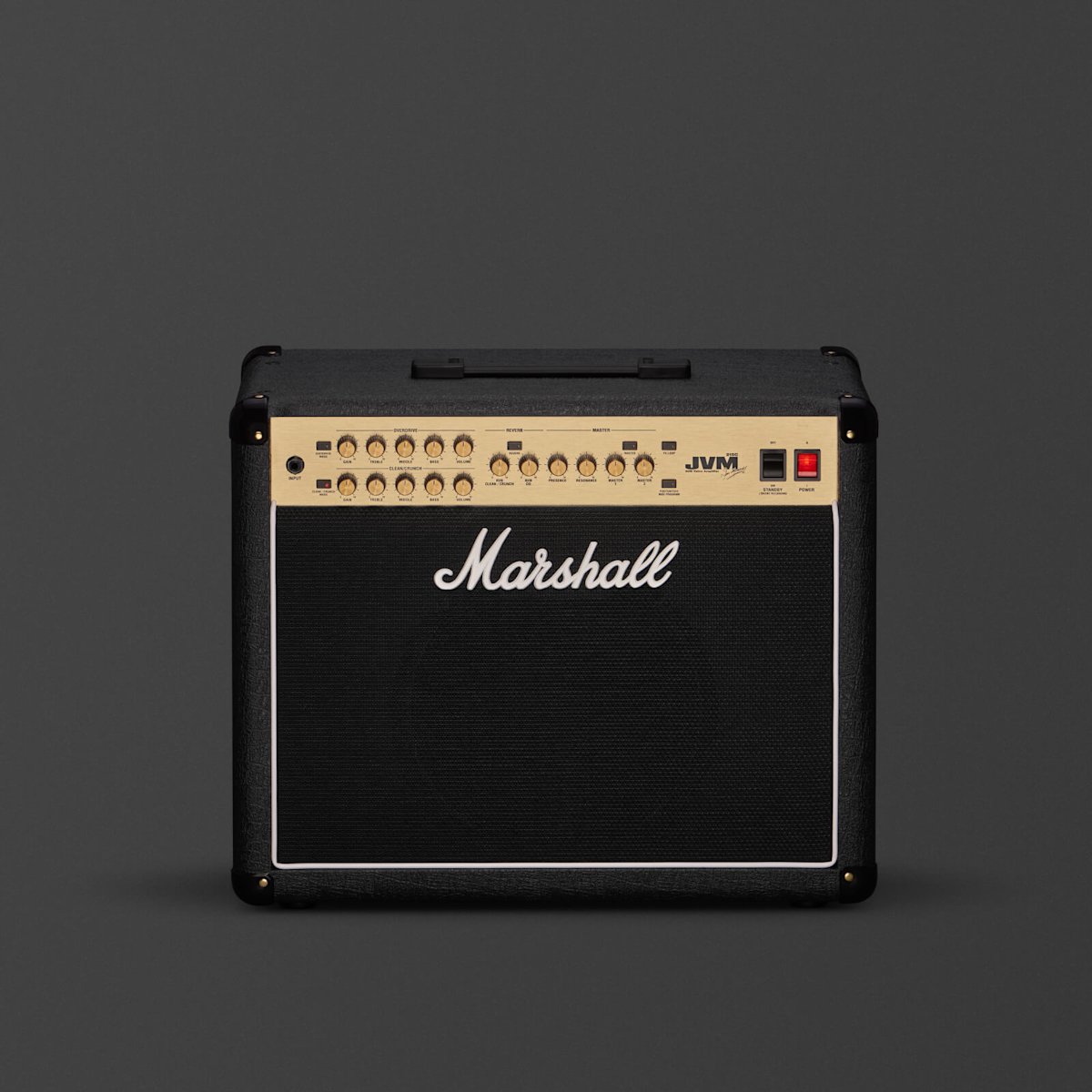
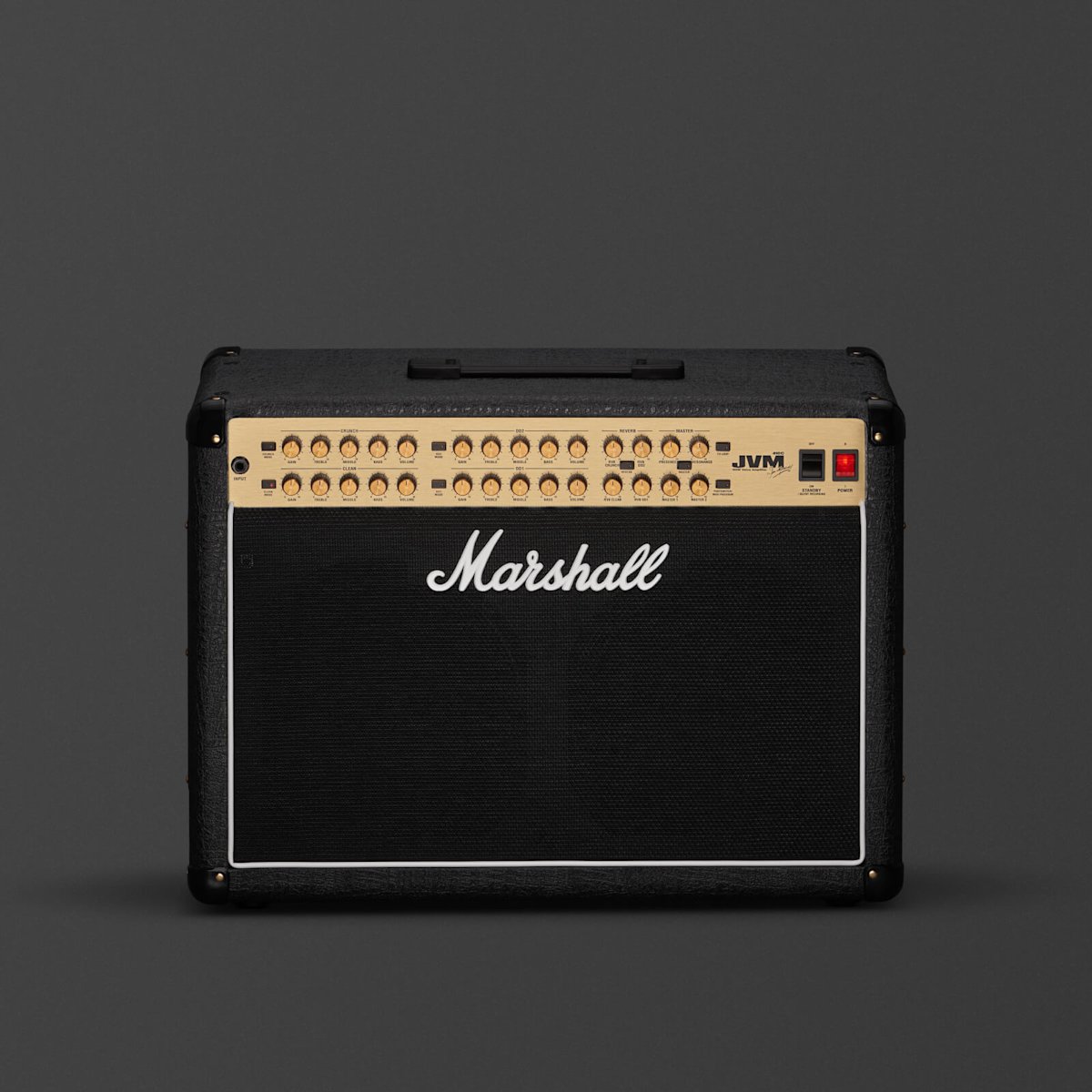
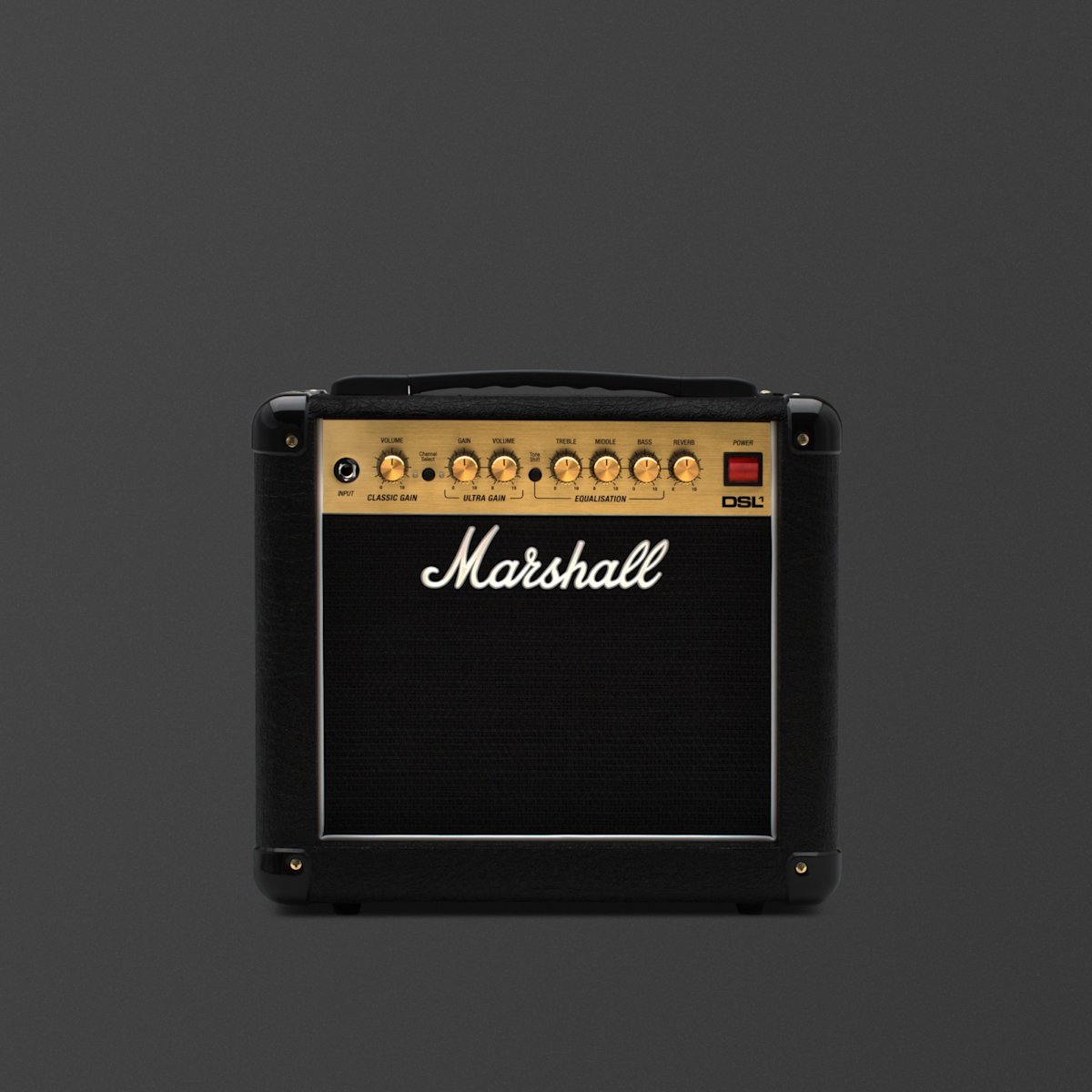
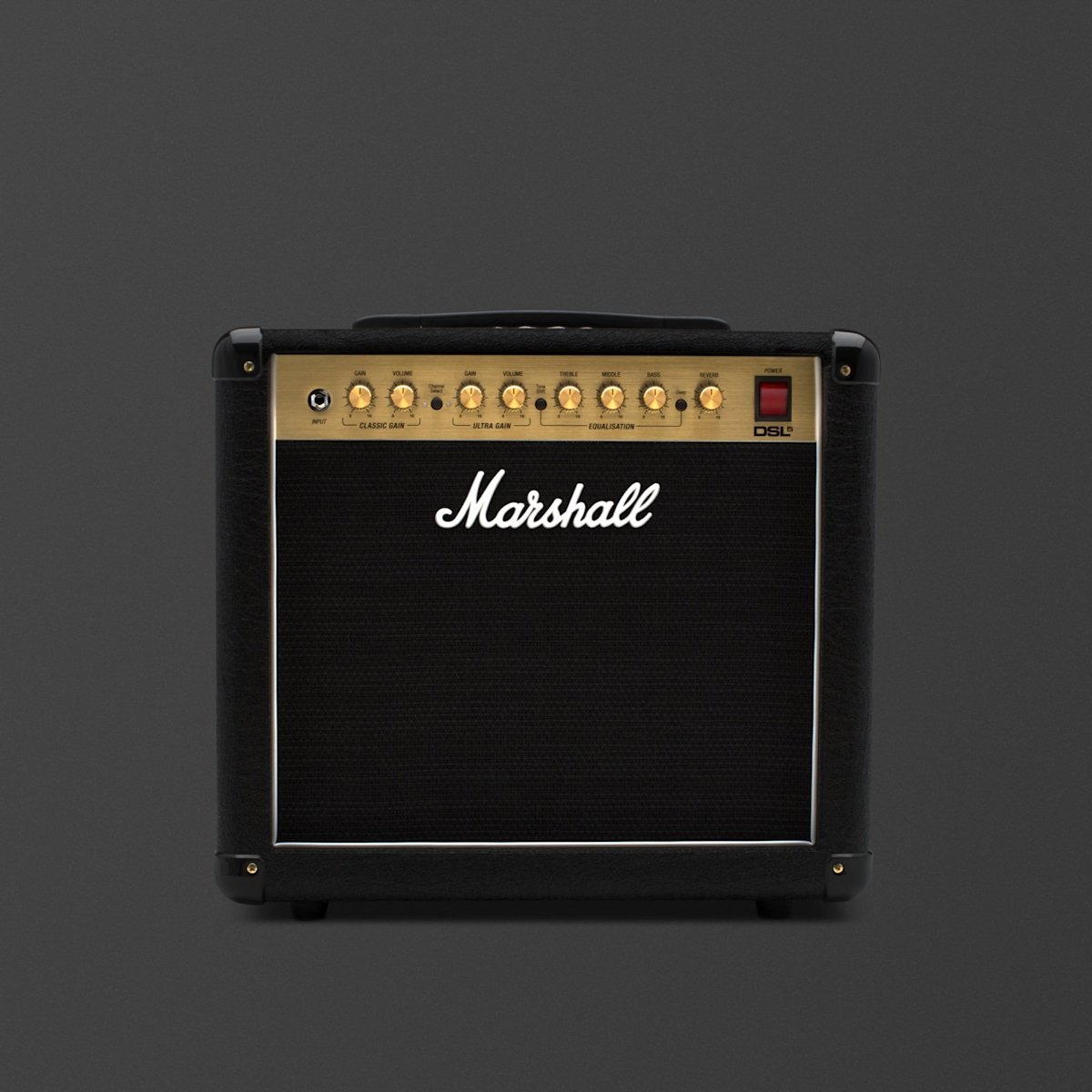
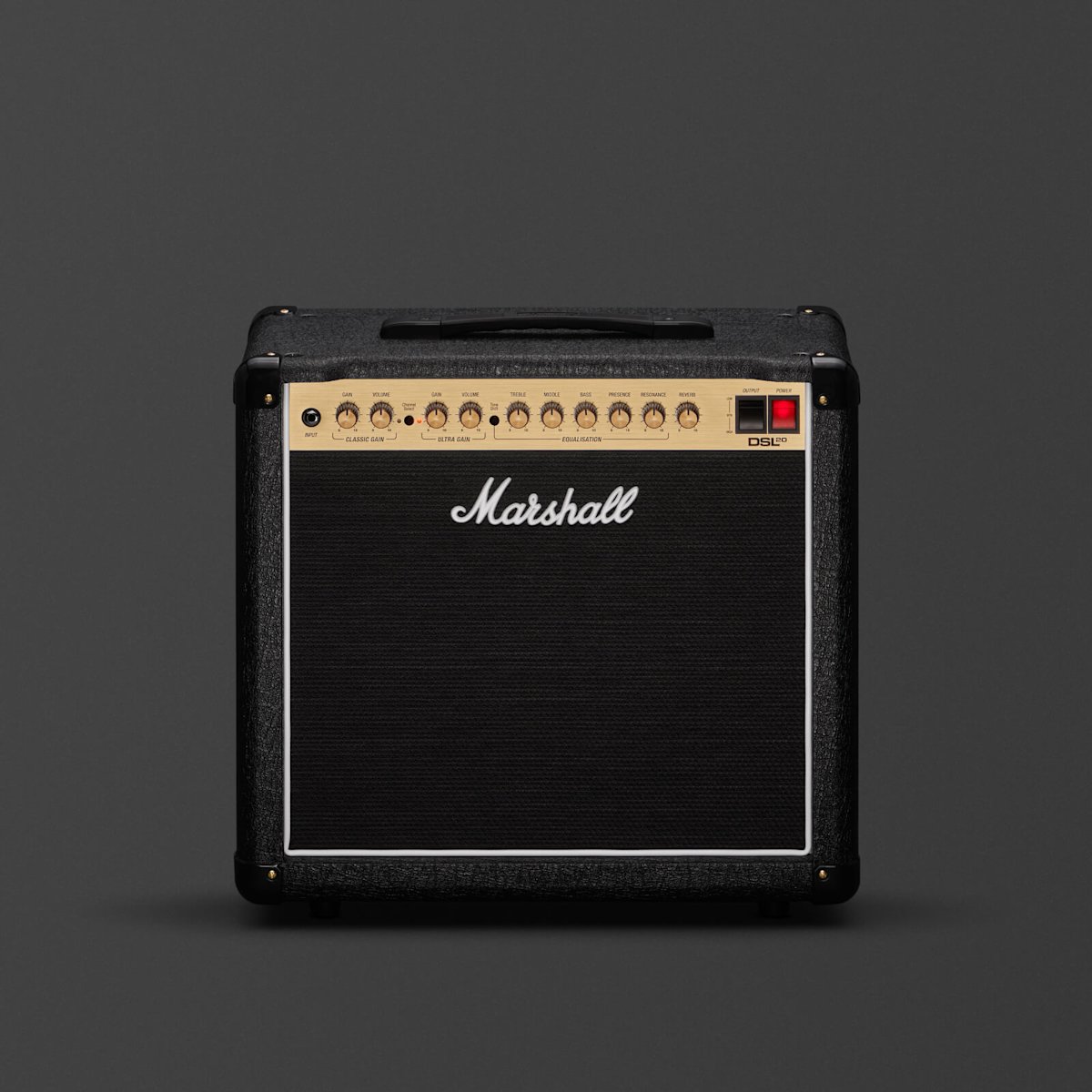
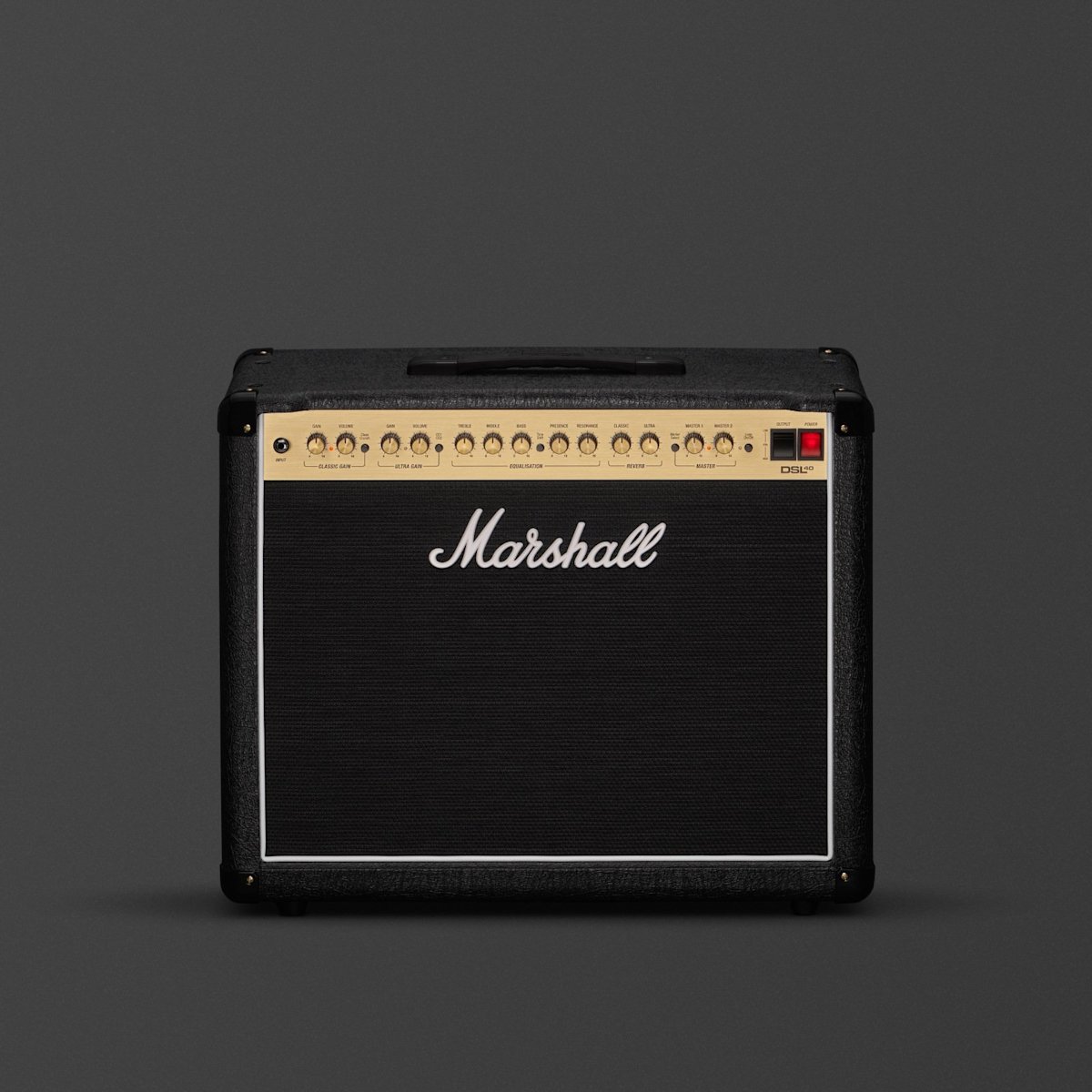
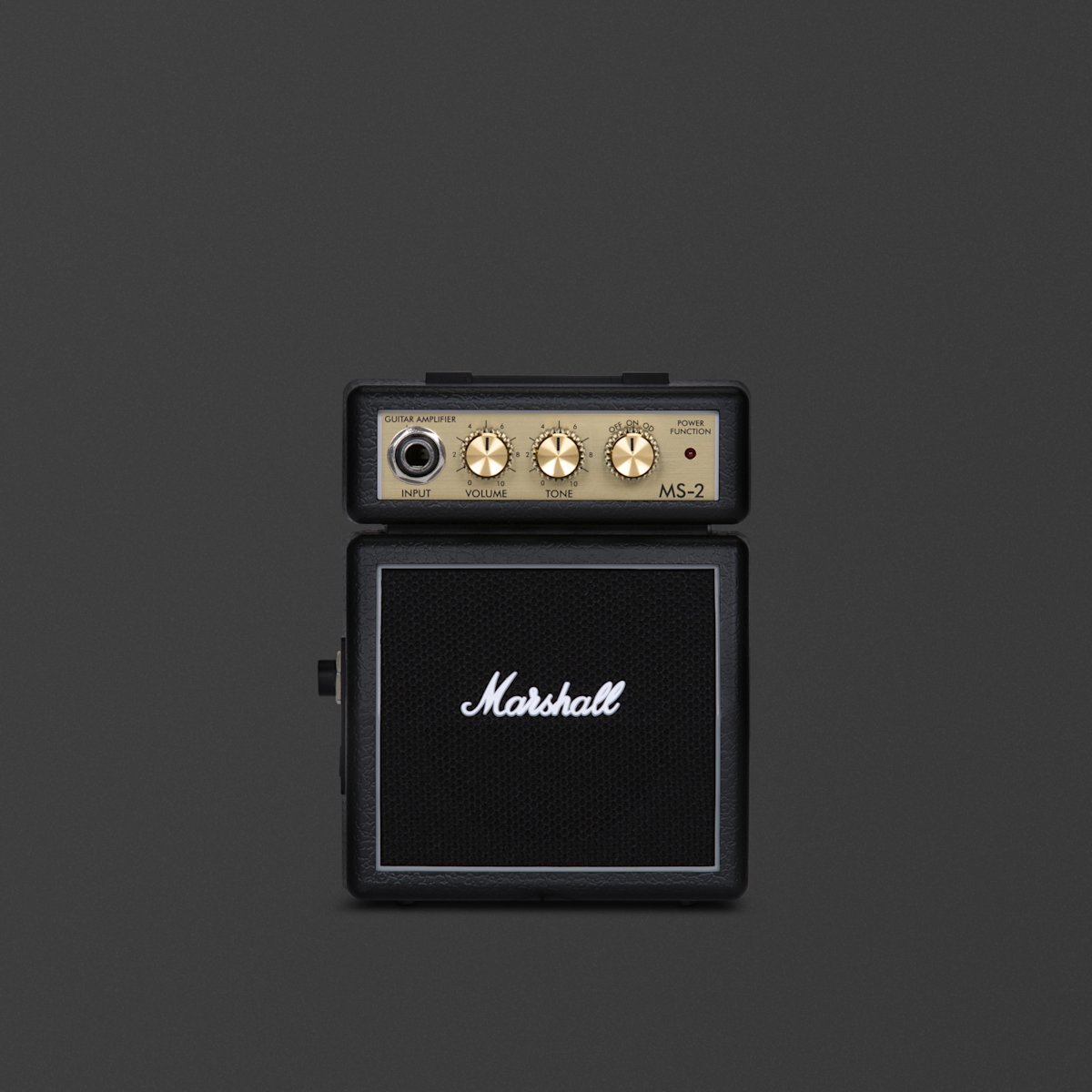
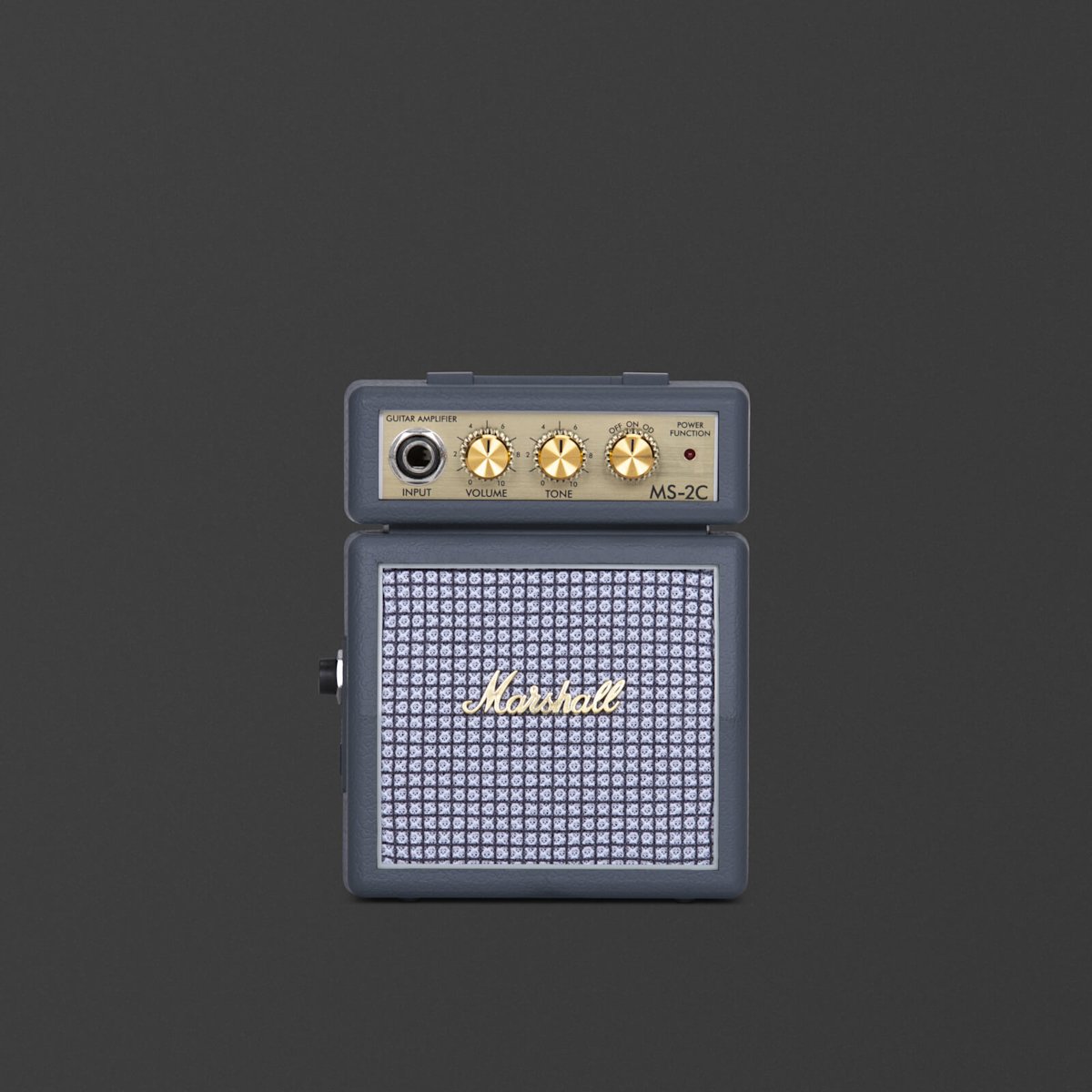
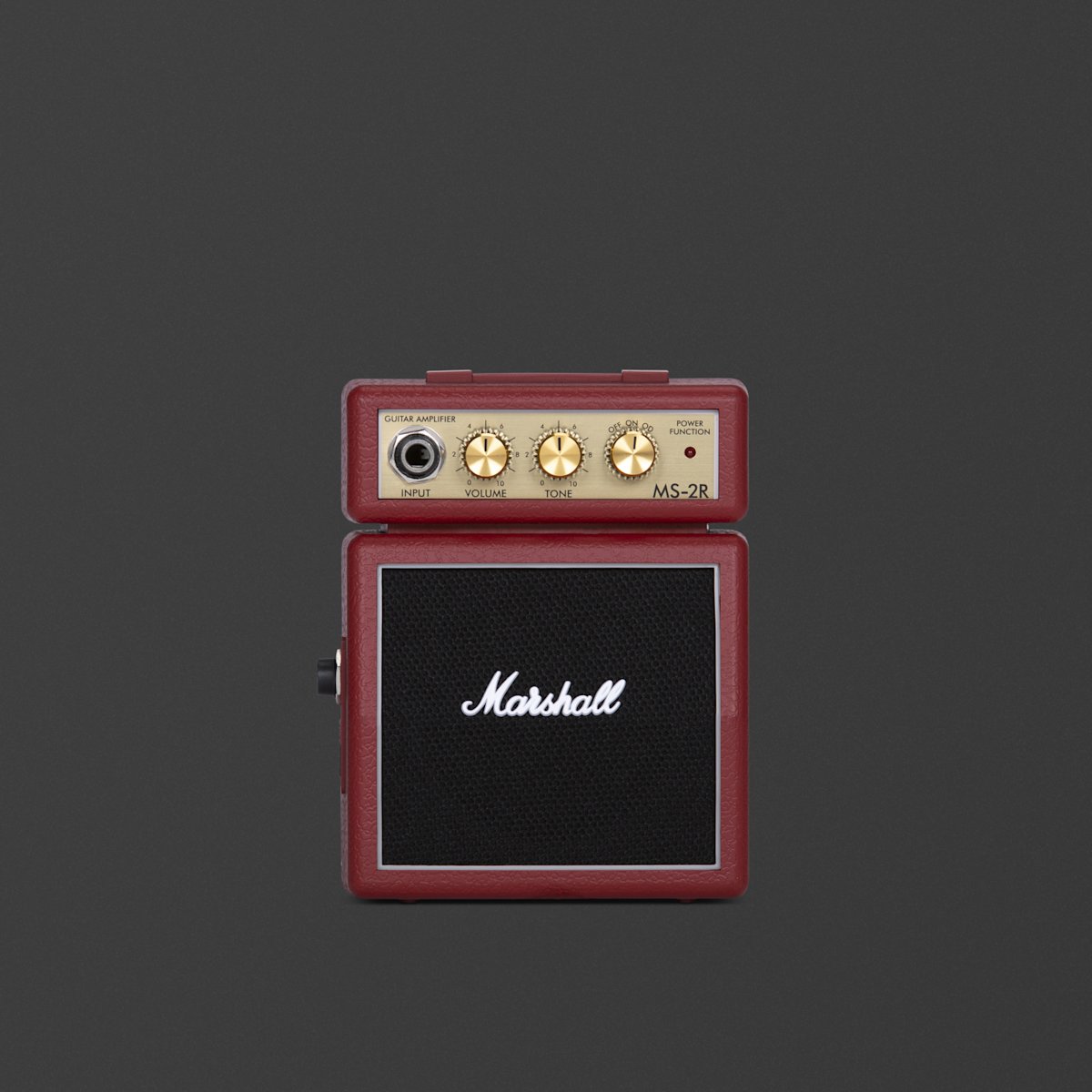
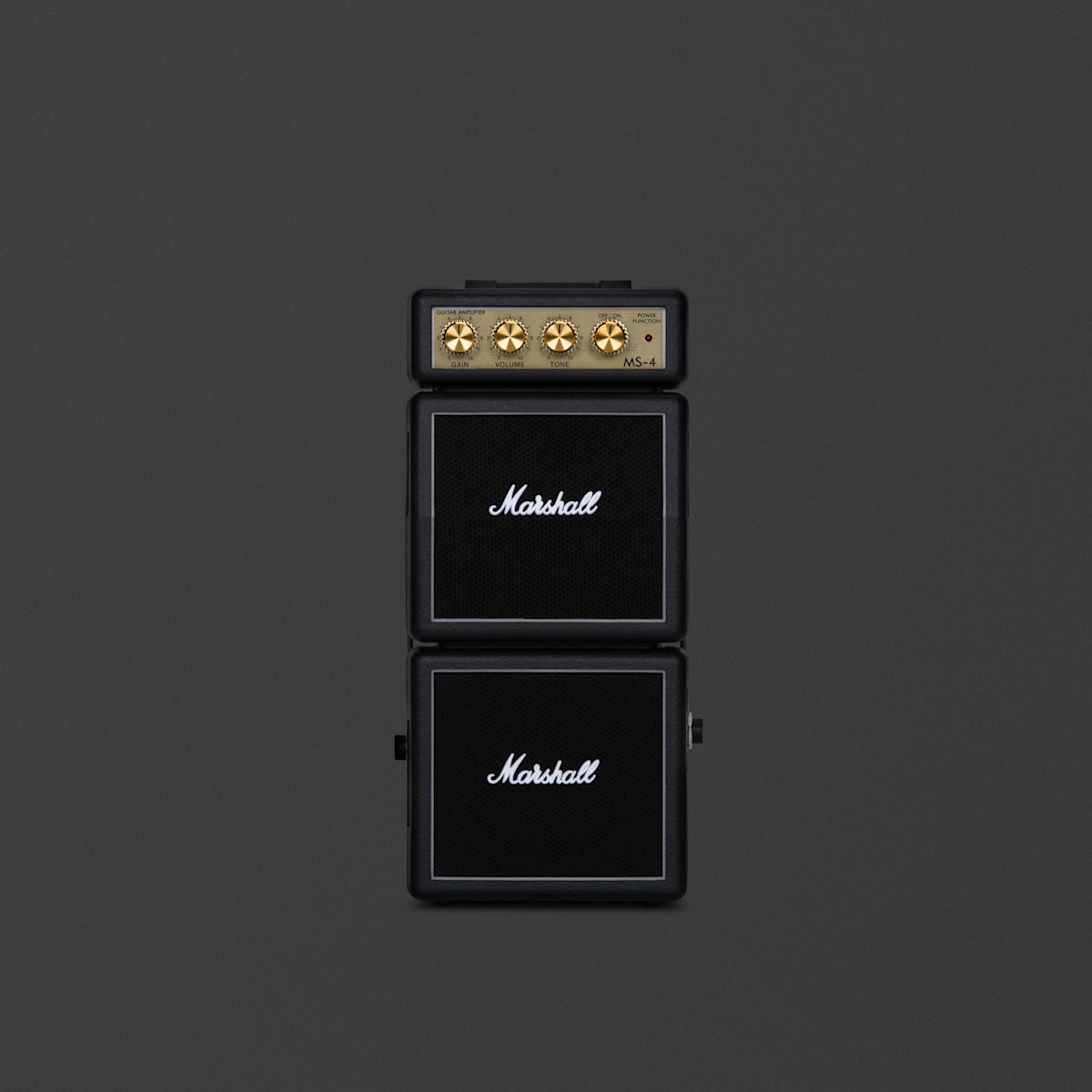
A combo amp is an all-in-one unit that merges both the amplifier head and speaker cabinet. It unites the signal-amplifying electronics (head) with the sound-projecting speakers (cab) within a single, compact enclosure. Read more
What is a combo amp?
A combo amp (short for combination amplifier) is an all-in-one unit that merges both the amplifier head and speaker cabinet. It unites the signal-amplifying electronics (head) with the sound-projecting speakers (cab) within a single, compact enclosure.
Controls and inputs are usually situated on the front or top of the unit, enhancing the convenience and portability of combo amps for a range of musical applications. Known for their simplicity, user-friendliness, and suitability for smaller venues and practice sessions, combo amps often feature lower wattages.
How do I know what type of amp is right for me?
Various amplifiers boast unique sounds, and when selecting an amp, it's crucial to consider the specific situations in which you'll use it.
For travelling musicians - often found at rehearsals or playing at smaller venues - the preference often leans towards a combo amp with a 12" speaker. This choice offers portability with the added power and loudness of the 12” speaker, catering to the needs of more casual players. On the other hand, touring musicians with regular performances at larger venues, who own a van and don't face portability challenges, commonly opt for the head and cab configuration.
While the saying 'the bigger the amp, the better the amp' circulates, it's not always accurate. Surprisingly, some of the most significant and iconic riffs were initially recorded on smaller amplifiers. The misconception that a 20W combo might not be heard on stage is dispelled by the fact that if it is mic’d up properly (done by either yourself or a sound engineer) can make it more than sufficiently loud for any performance.
Consider headroom when purchasing an amp. If your playing style involves heavily distorted riffs with additional effects, you'll need an amp with ample headroom to achieve your desired tone. A 100W amp head paired with a 4 x 12” cabinet is suitable for this purpose. Conversely, if you focus on creating clean tones - especially in jazz - a small, slightly pushed combo might provide the exact sound you're after.
What Marshall amp will suit my playing style?
There's a variety of options when it comes to Marshall amplifiers, from tiny 5-watt practice amps to colossal 100-Watt full stacks. With over 50 years of amplification heritage, our gear has been seen on thousands of stages and plugged into by some of the most legendary guitarists of all time. But with that history comes a huge variety of amplifiers.
Based on their tones and gain structure, here’s what combo amps we suggest based on playing styles. Keep in mind that many of these amps have separate clean and drive channels and can be extremely versatile, so this is just a general guide!
MG Gold
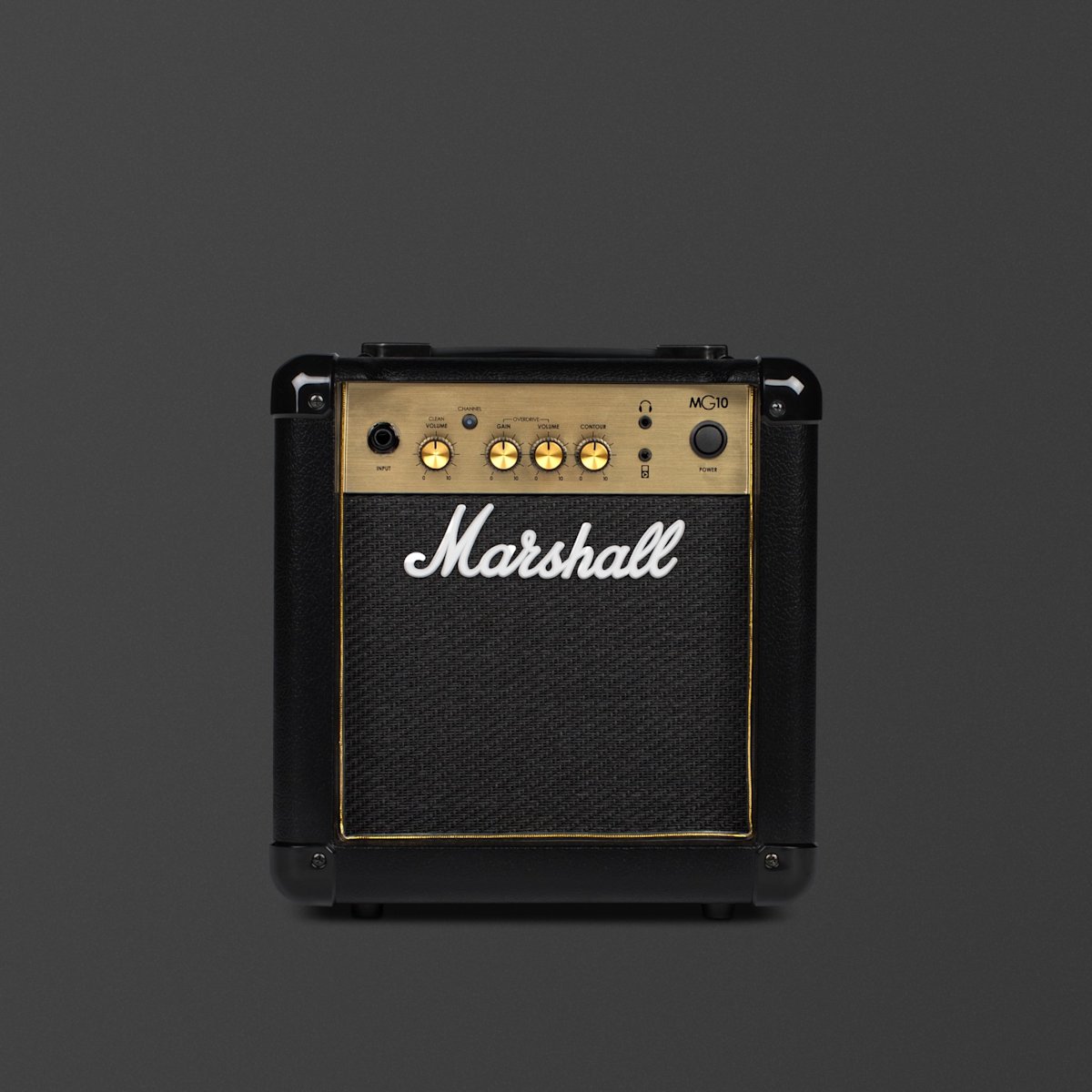
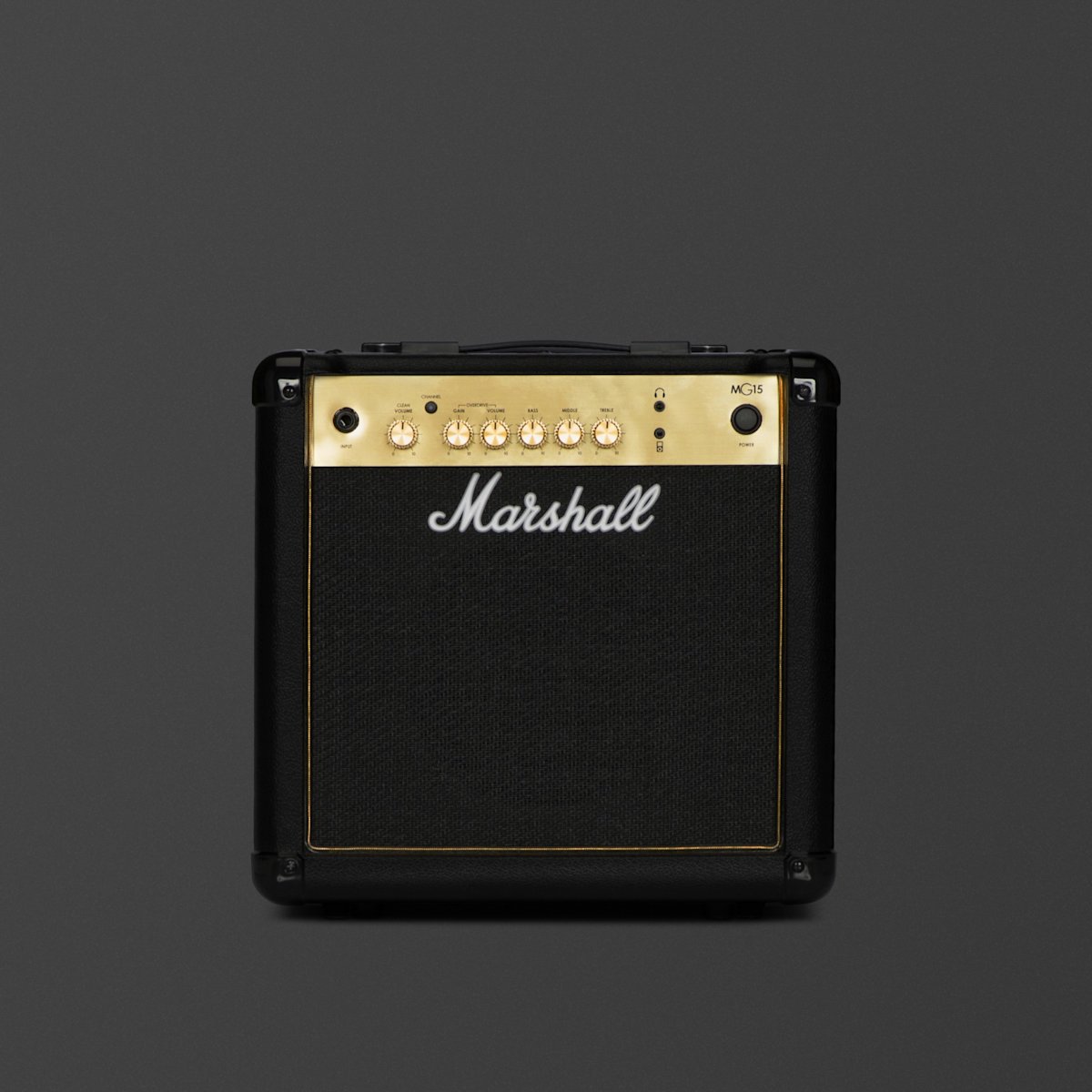
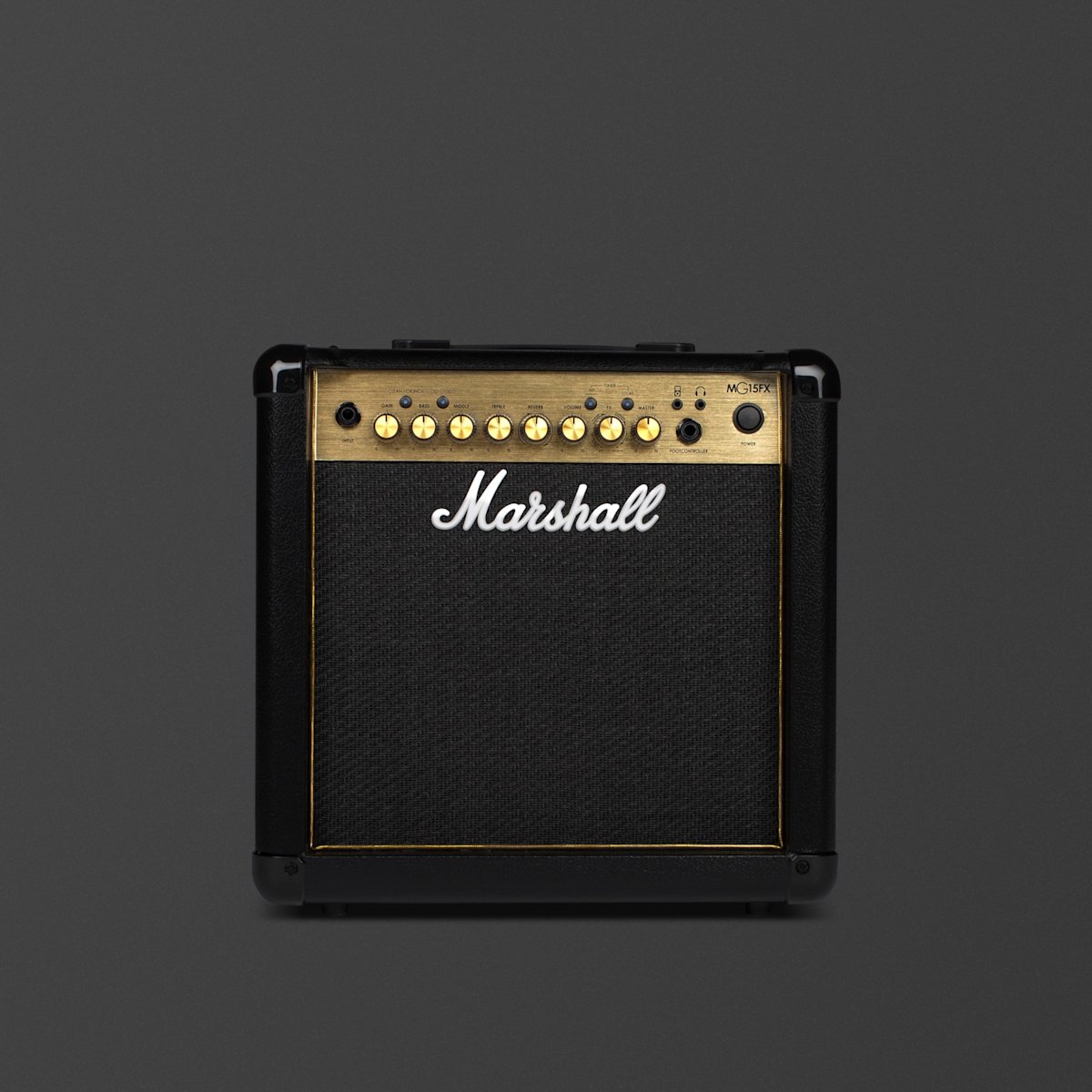
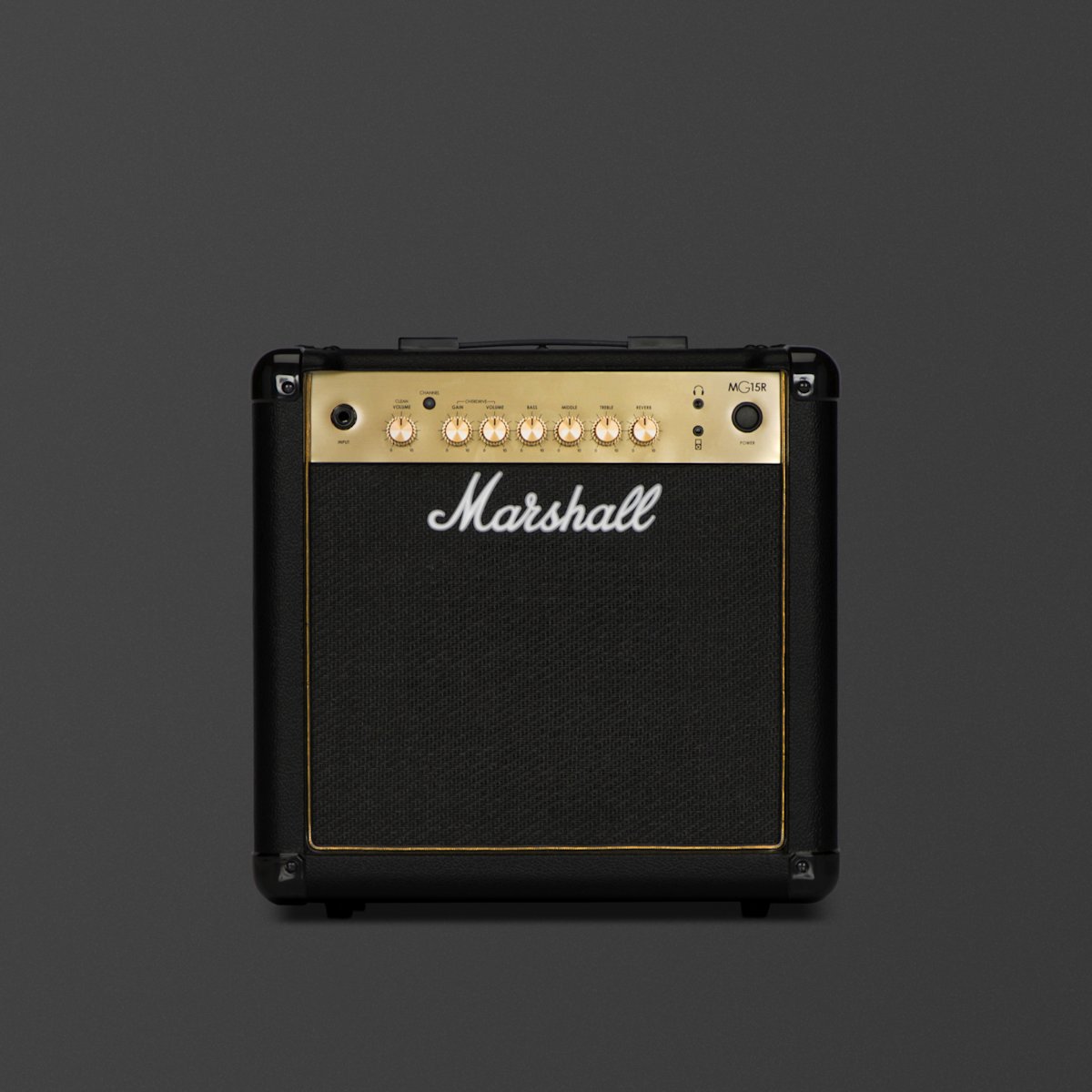
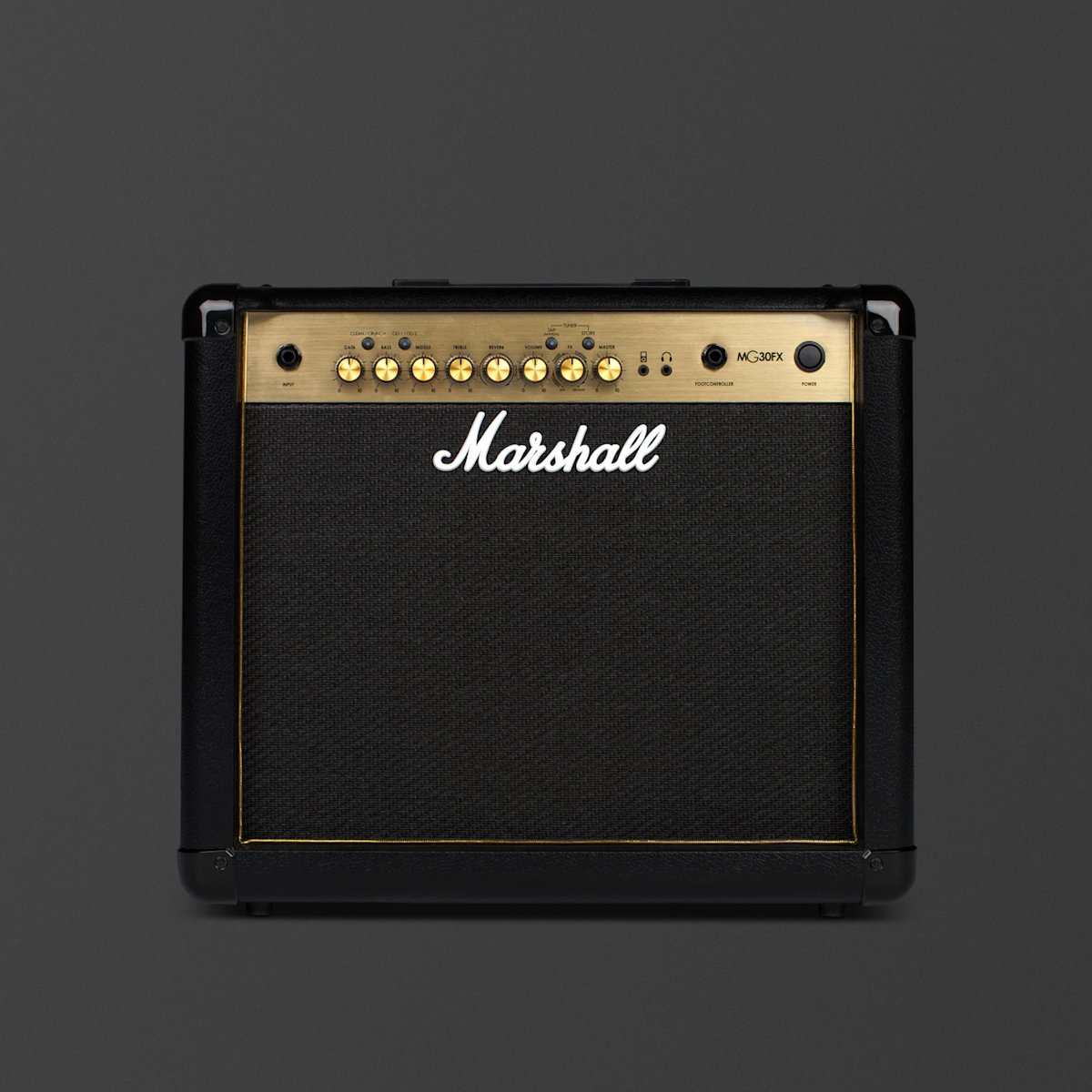
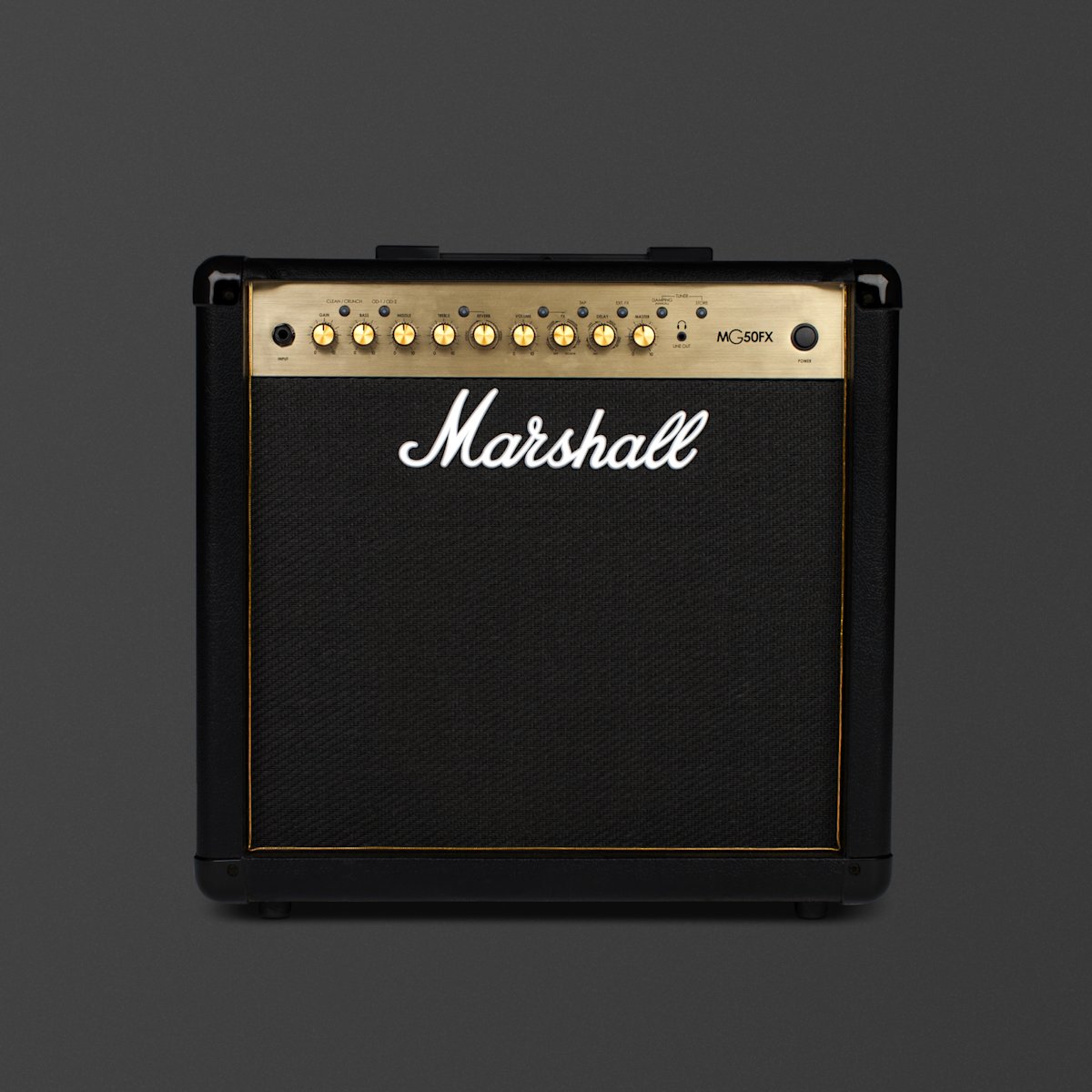
An ideal amp for the beginner/intermediate guitarist, the MG Gold has been a fan favourite for years. This series features lower-wattage combo amps with solid-state circuitry and useful features. An emulated headphone output and mp3 input make home practice a breeze. Model variants include clean and crunch settings and digital FX such as reverb, flanger, delay and octave. These amps are seriously versatile.
CODE
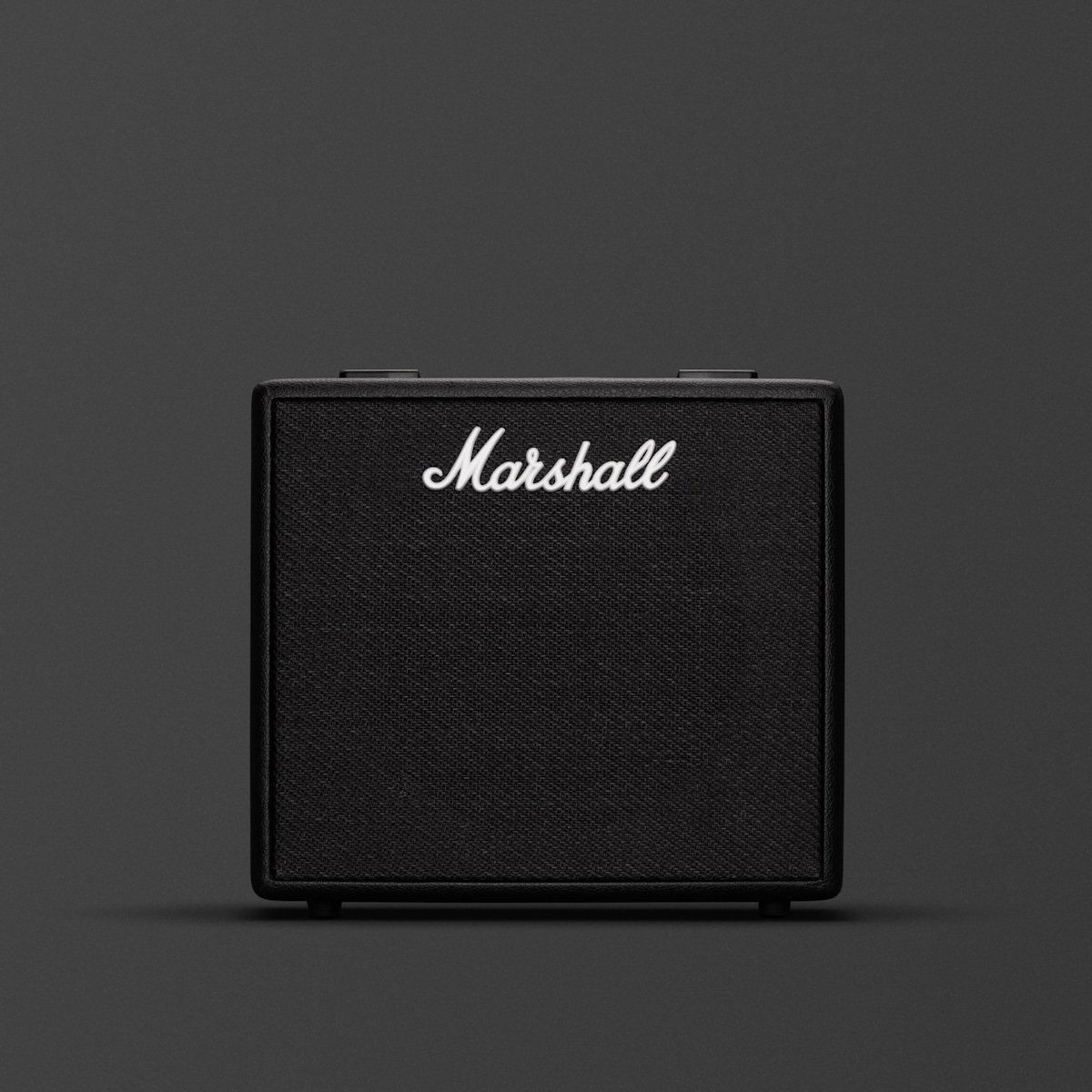
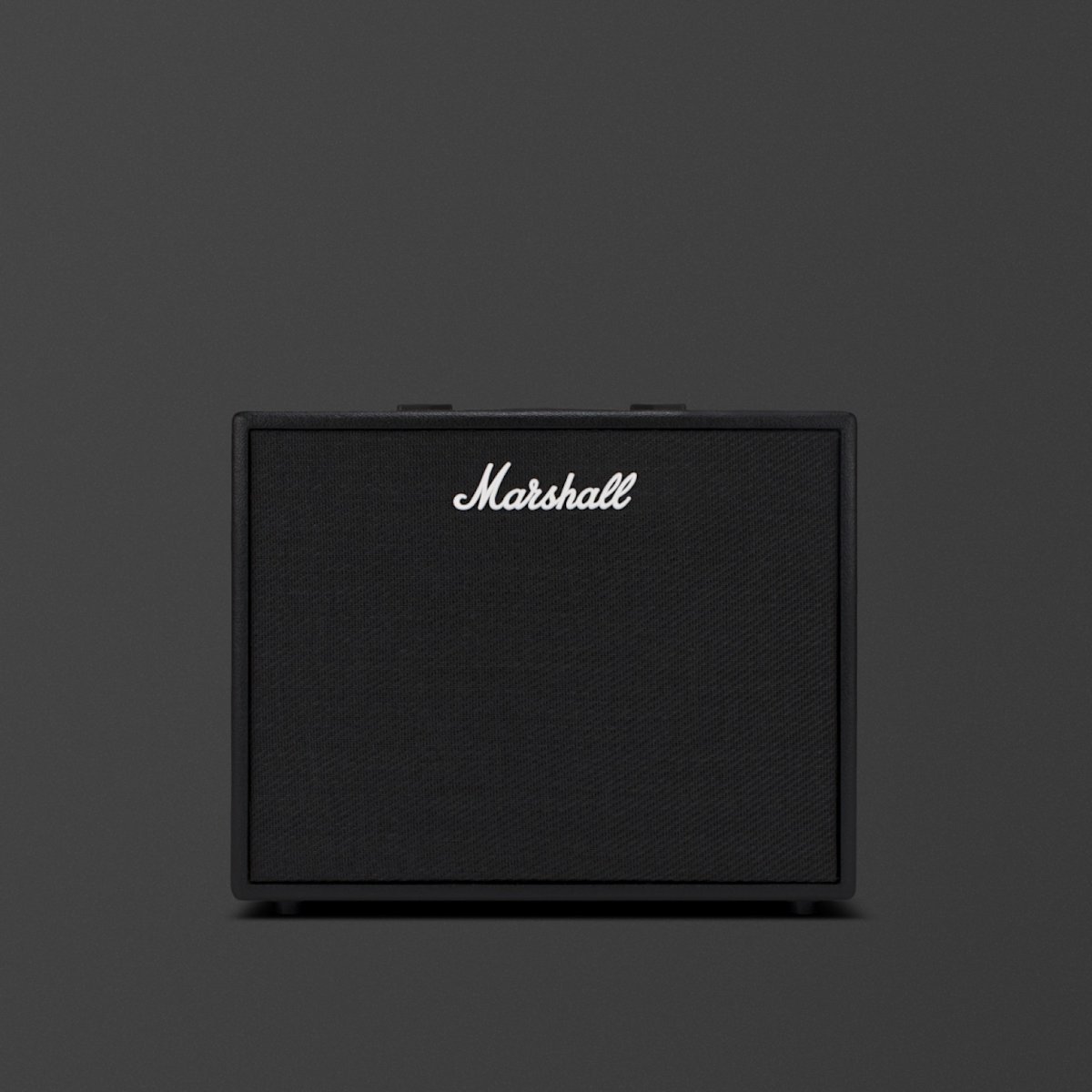
The CODE series is our most flexible amp to date. With digital modelling and a variety of sizes, you’re able to create, craft and sculpt your dream tone. 24 FX features, 14 MST preamps, 4 MST power amps and 8 MST speaker cabinets allows serious customisation, and what’s better is you can control it from your phone using the CODE app thanks to Bluetooth technology!
DSL
The DSL series has seen many variations in its time, but our current line allows classic, valve-driven Marshall tones with all the flexibility you could ask for. Including an onboard reverb, power-scaling, and an emulated output. The DSL Series comes in 1-watt to 100-watt sizes and uses Celestion Seventy-80 speakers with ECC83 Preamp and EL34 Power amp valves for that serious classic Marshall growl. With separated clean, classic gain and ultra gain channels you can go from glassy, crystal cleans to all-out distorted chaos with the press of a button.
JVM
A versatile beast, the JVM series has been a favourite of countless touring musicians for its wide channel variation and serious power. The JVM series comes in both 50 and 100-watt head and combo variations and you have the option of 2 or 4-channel amps. With independent master volumes for each channel, midi control capability and three modes per channel alongside an independent reverb. Packed with EL34 and ECC83 valves this amp is favoured by those who need massive headroom and tons of power.
Origin
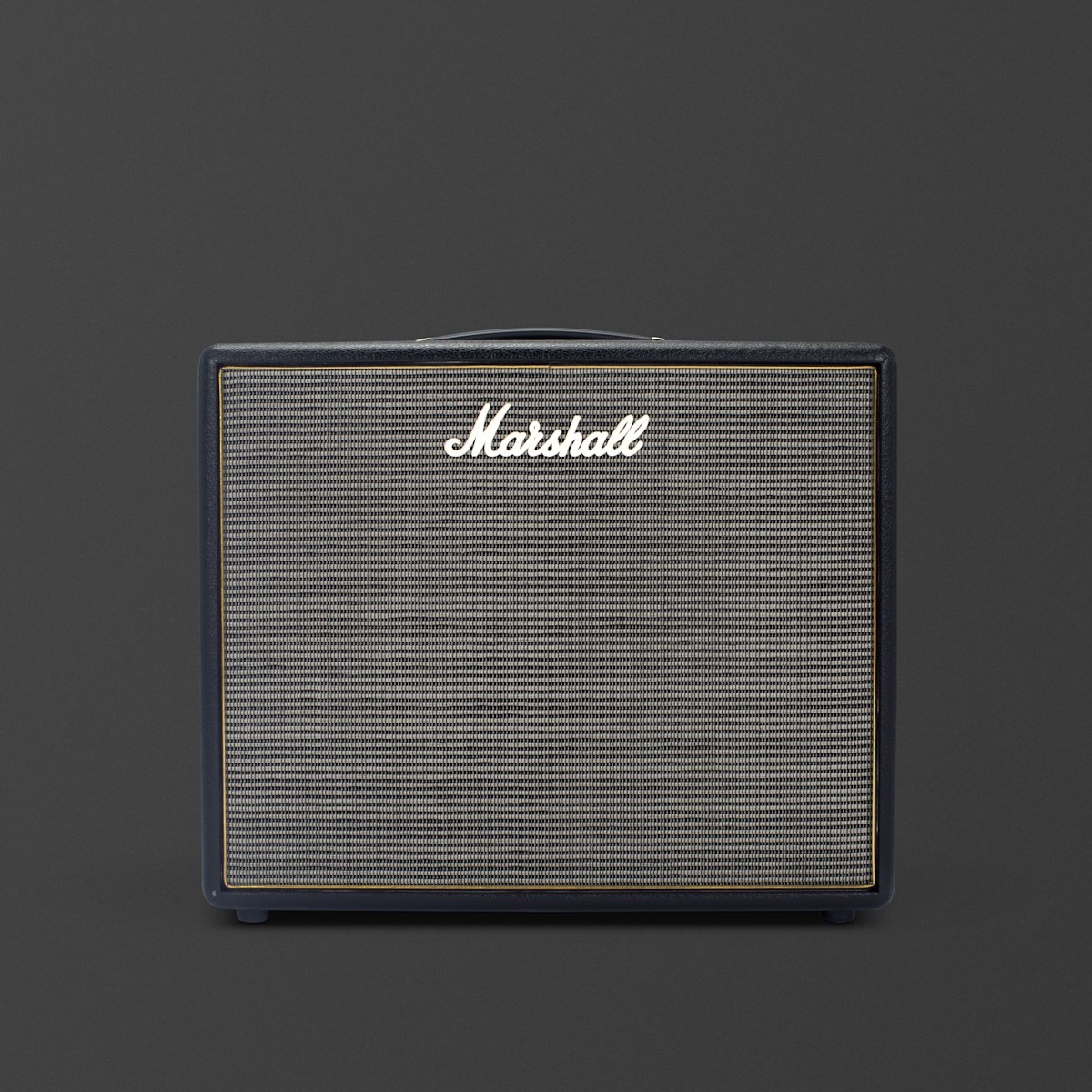
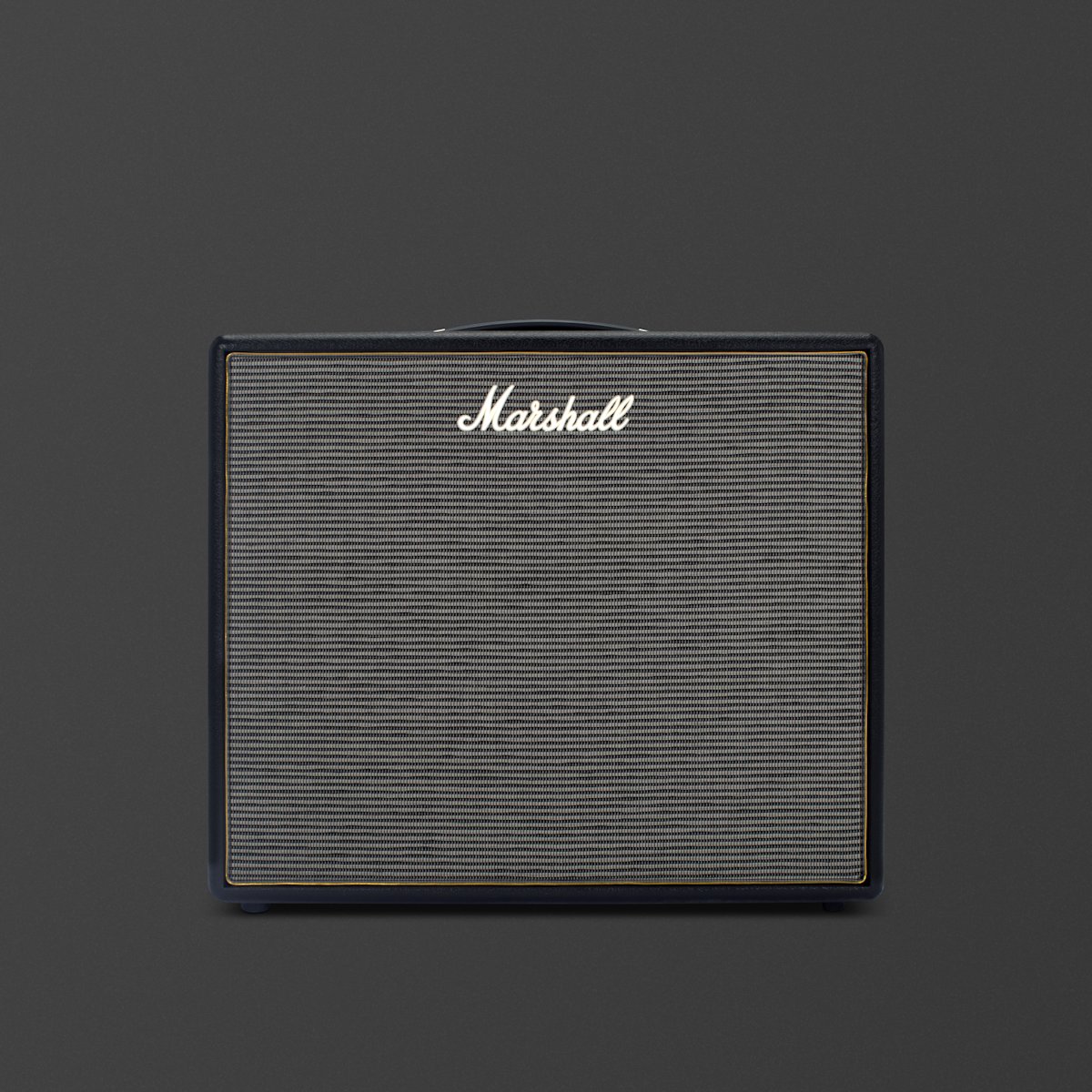
One of our newer additions to the range, the Origin series combines classic Marshall tones with modern features. Boasting a pull boost switch, Powerstem technology (bringing down the volume without losing the tone) and an FX loop, this amp is an ideal pedal platform. The amp also features a ‘tilt’ function, which works in a similar way to how our traditional amp inputs were ‘jumped’ by connecting both the low and high inputs together. Using this you can roll off the highs for a warm vintage tone or crank them for a bright, mix-cutting edge. The amp offers a lot of clean headroom but breaks up naturally when pushed, making it ideal for indie and rock.
Silver Jubilee
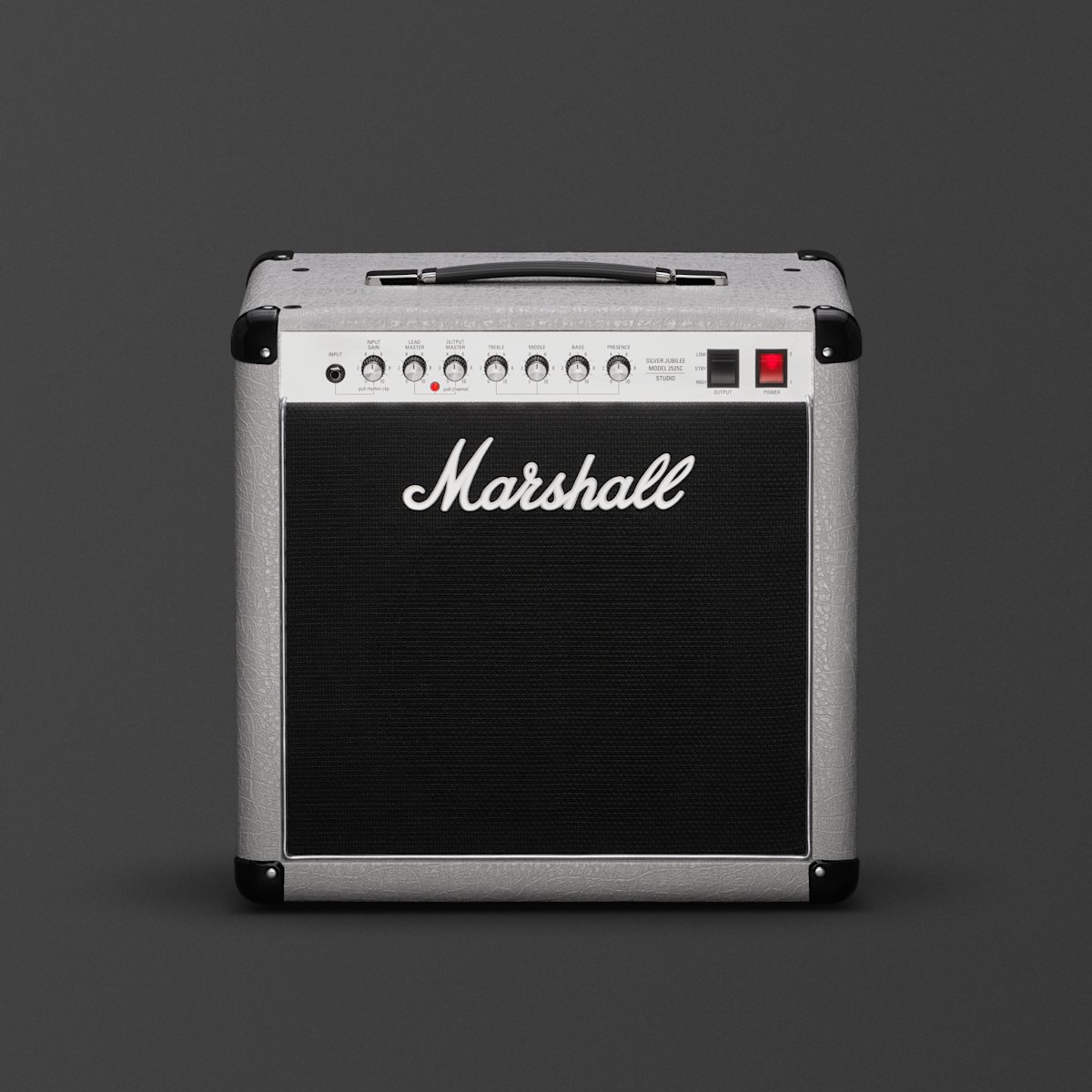
To celebrate 25 years of Marshall tone we released the Silver Jubilee series. Featuring a new look with chrome panels and silver vinyl. Modelled from the JCM800 series, now with a power scaling pentode/triode switch, allowing all the tones at different volumes. These amps were celebrated for their slightly more saturated, aggressive tone and are frequently used by guitar legend Slash.
1962 'Bluesbreaker'
The 1962 ‘Bluesbreaker’ (Famously connected to Eric Clapton for his use of the combo in John Mayall & The Bluesbreakers) is one of the world’s most iconic combos. With EL34 valves and Celestion G12 speakers pushing out 30 watts of true Marshall power, this amp has stood the test of time for good reason.
JCM800
A truly iconic amplifier, the JCM800 became an essential for heavy bands through the eighties and has graced stages across the globe ever since. The JCM800 2203 features an FX loop, master volume control and 100 watts of powerful tone driven by EL34 valves. This is the amp for you if you plan on making it loud.
1974X
Made between 1966-1968, the 1974 is a powerful little beast. Sporting ECC83 preamp and EL84 power valves, a two-channel interface with Tremolo circuit and 18 Watts of all-out power. The amp breaks up quicker than the 100-Watt amps and is ideal for classic, mix-cutting rock sounds.
JCM900
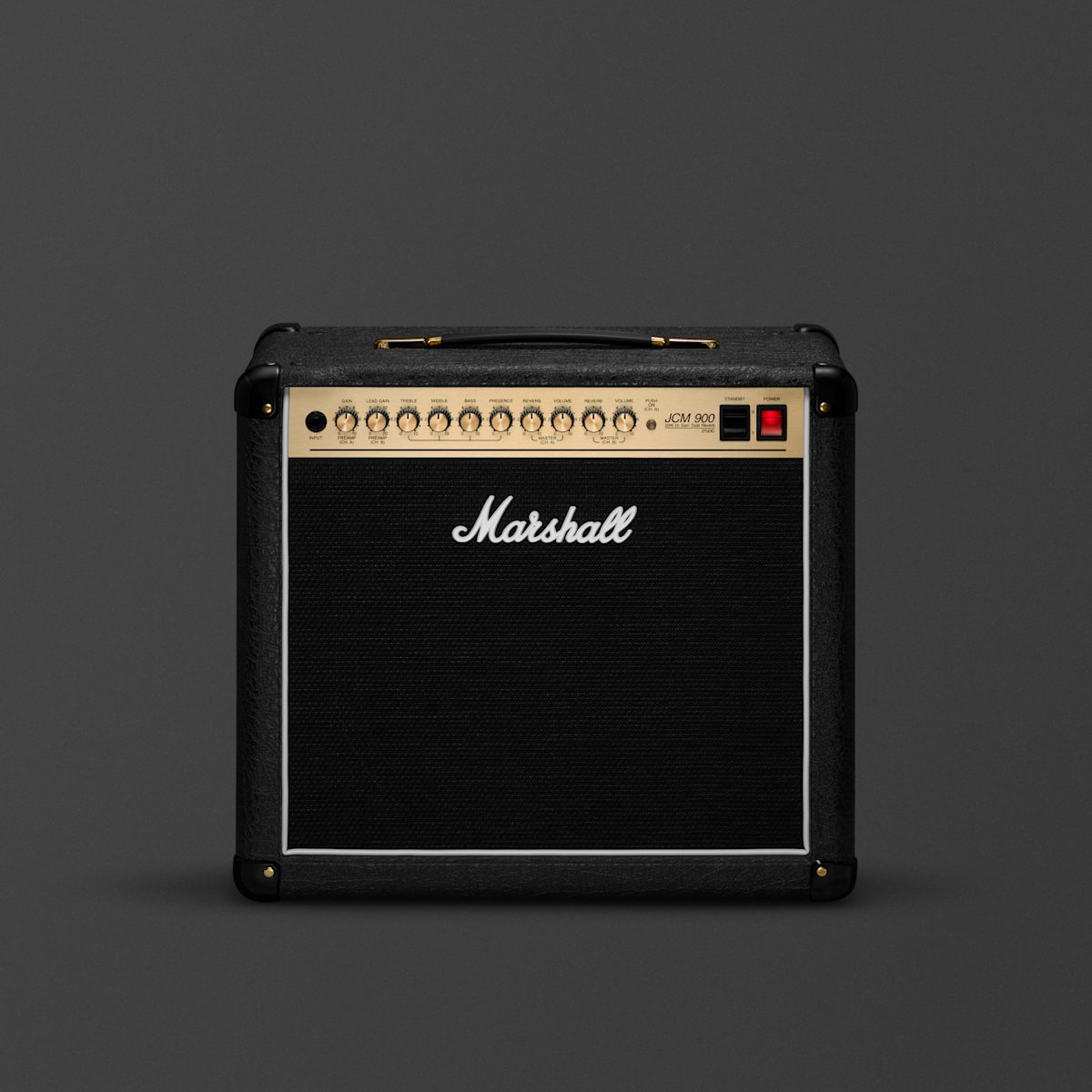
The JCM900 took the classic 800 and stepped things up a level. Released in 1990, the 900 added a lot more gain to the JCM circuit. With two channels featuring independent onboard reverbs and two gain features, the amp proved to be as versatile as it is powerful. For those who love gain, gain and more gain.