AMPS

Powering your sound, elevating your performance.
Your amplifier is the heartbeat of your performance, boosting your input and enhancing sound quality and volume. With various types and configurations available – Marshall caters to a diverse range of needs, from home practice to large venue performances.
53 items
What types of amplifiers are there? With such a variety of amps available, it’s easy to be overwhelmed with the options, from tiny 5W practice amps to colossal 100W head and cab full-stack combinations. However, there is one important thing to remember, and that’s size and how it plays a part in your tone. Read more
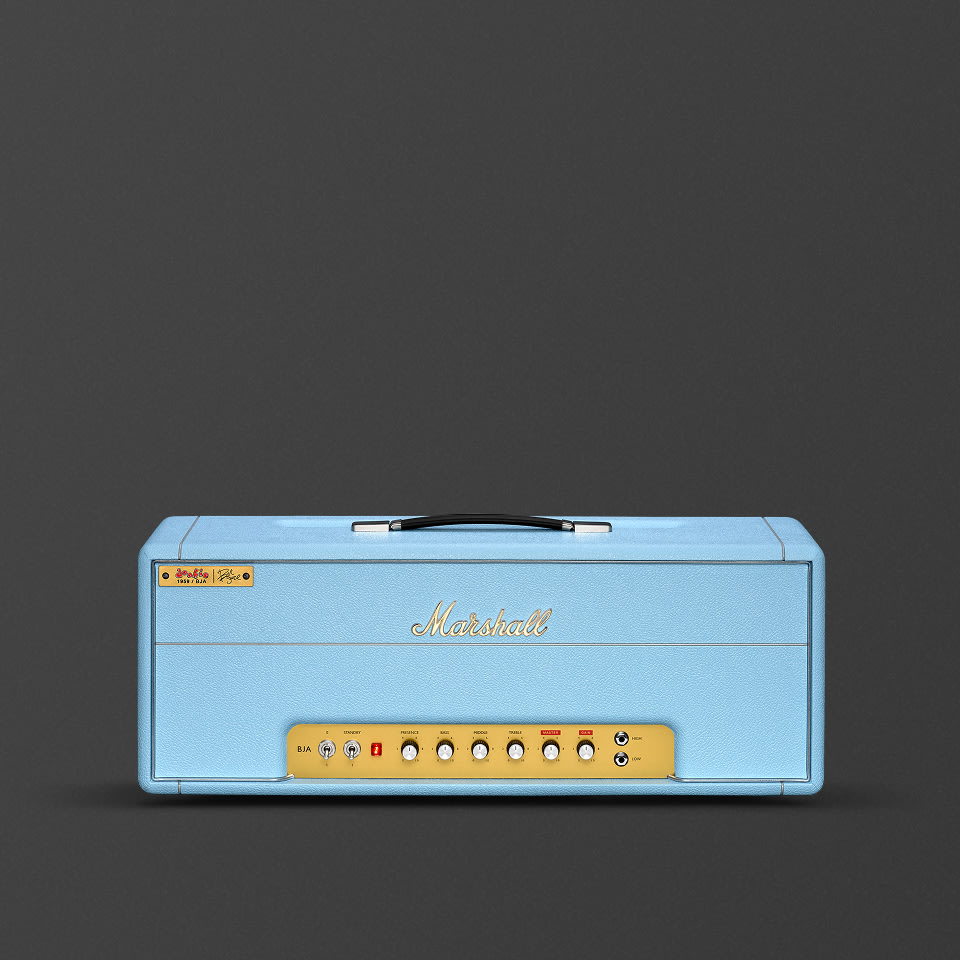
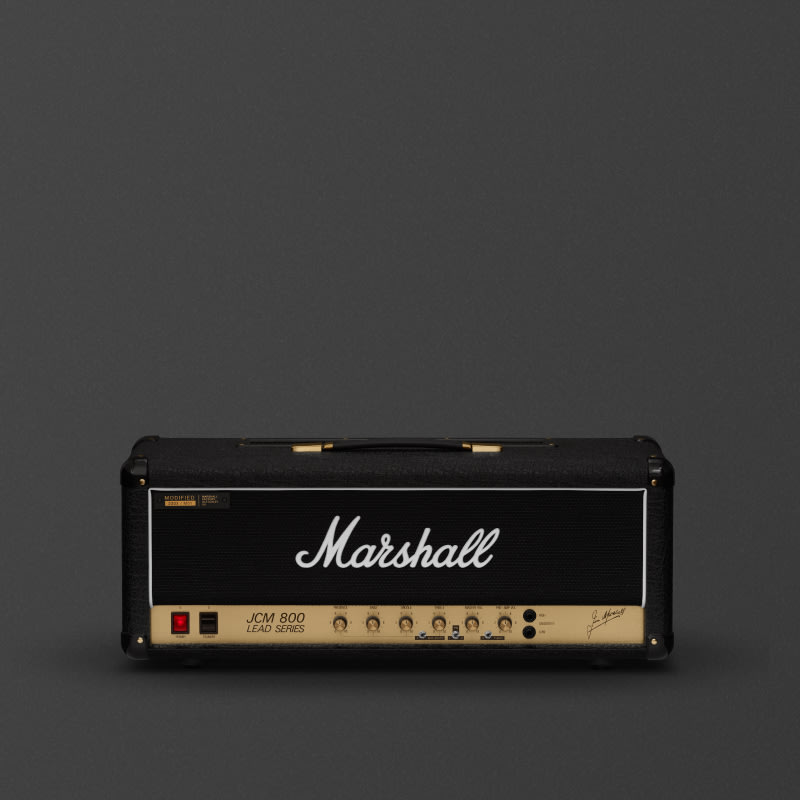
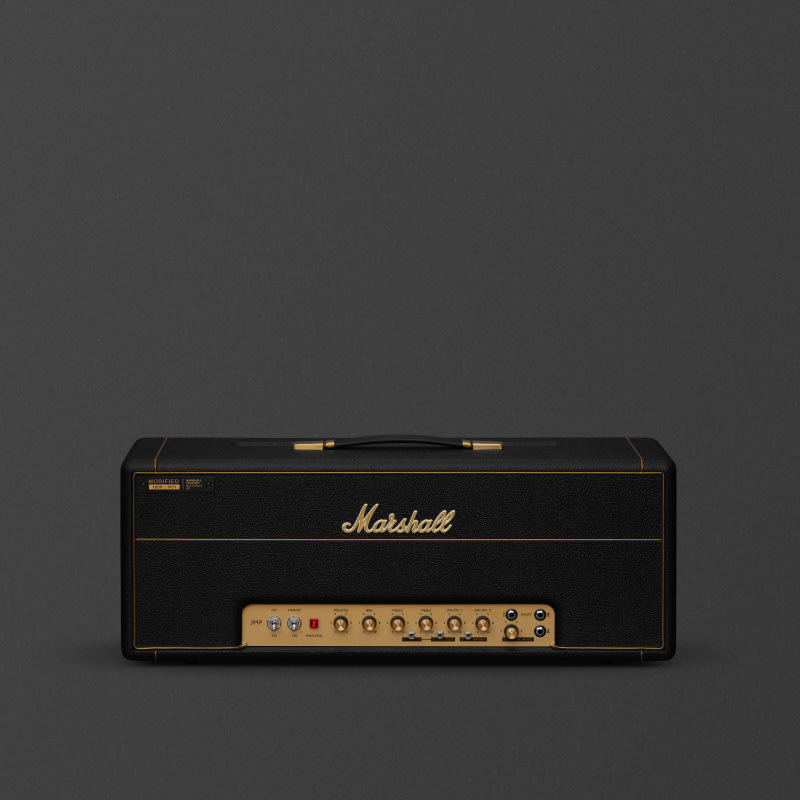
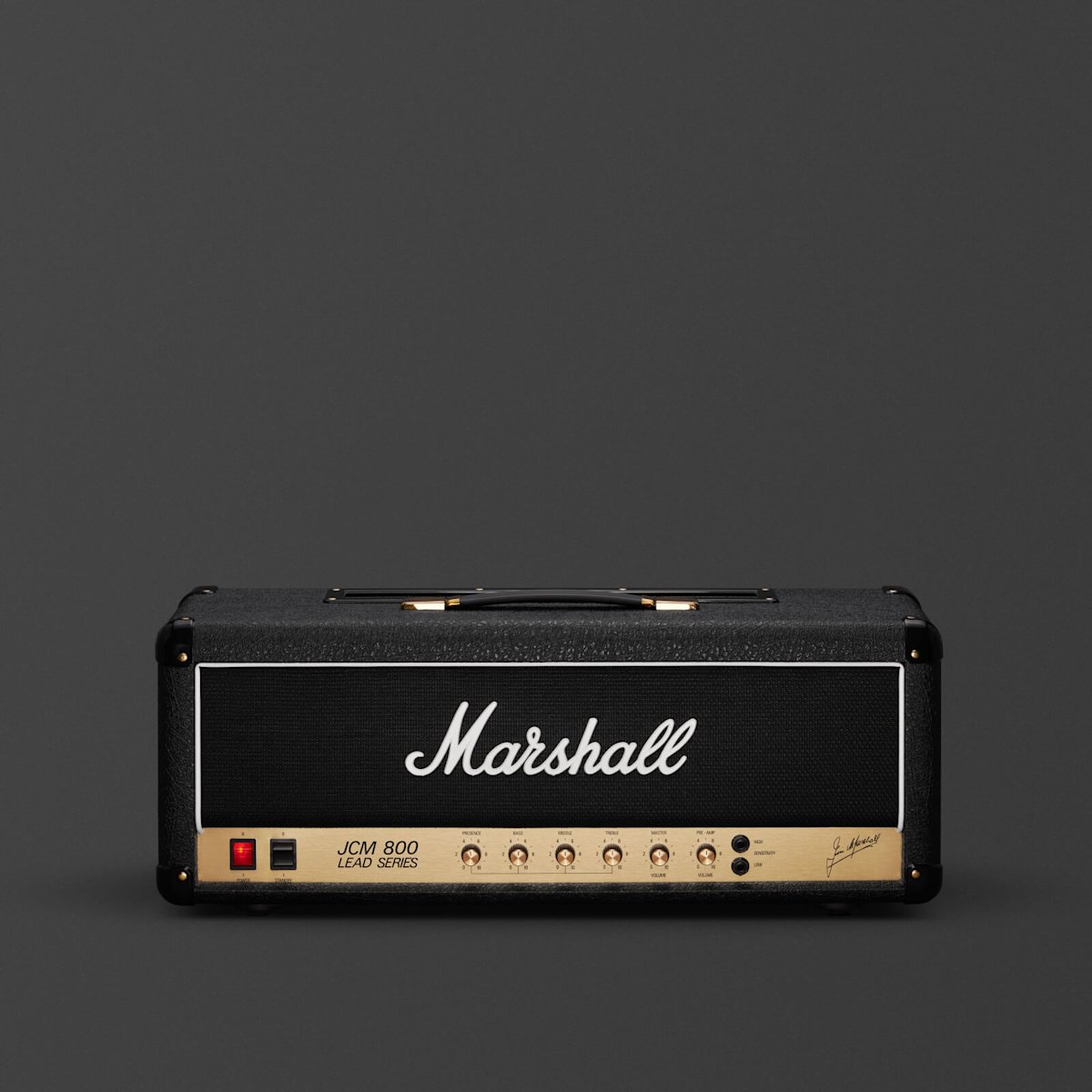
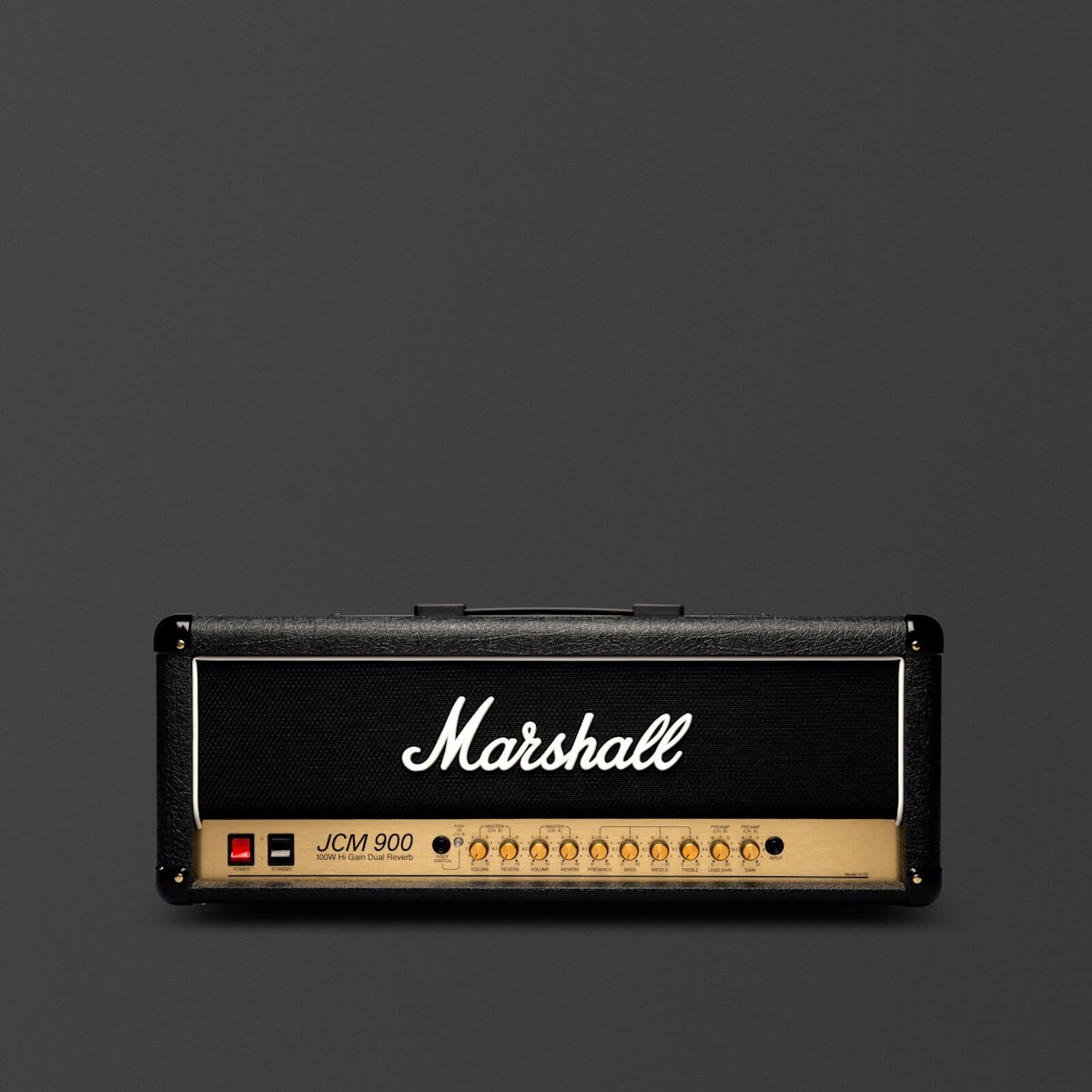
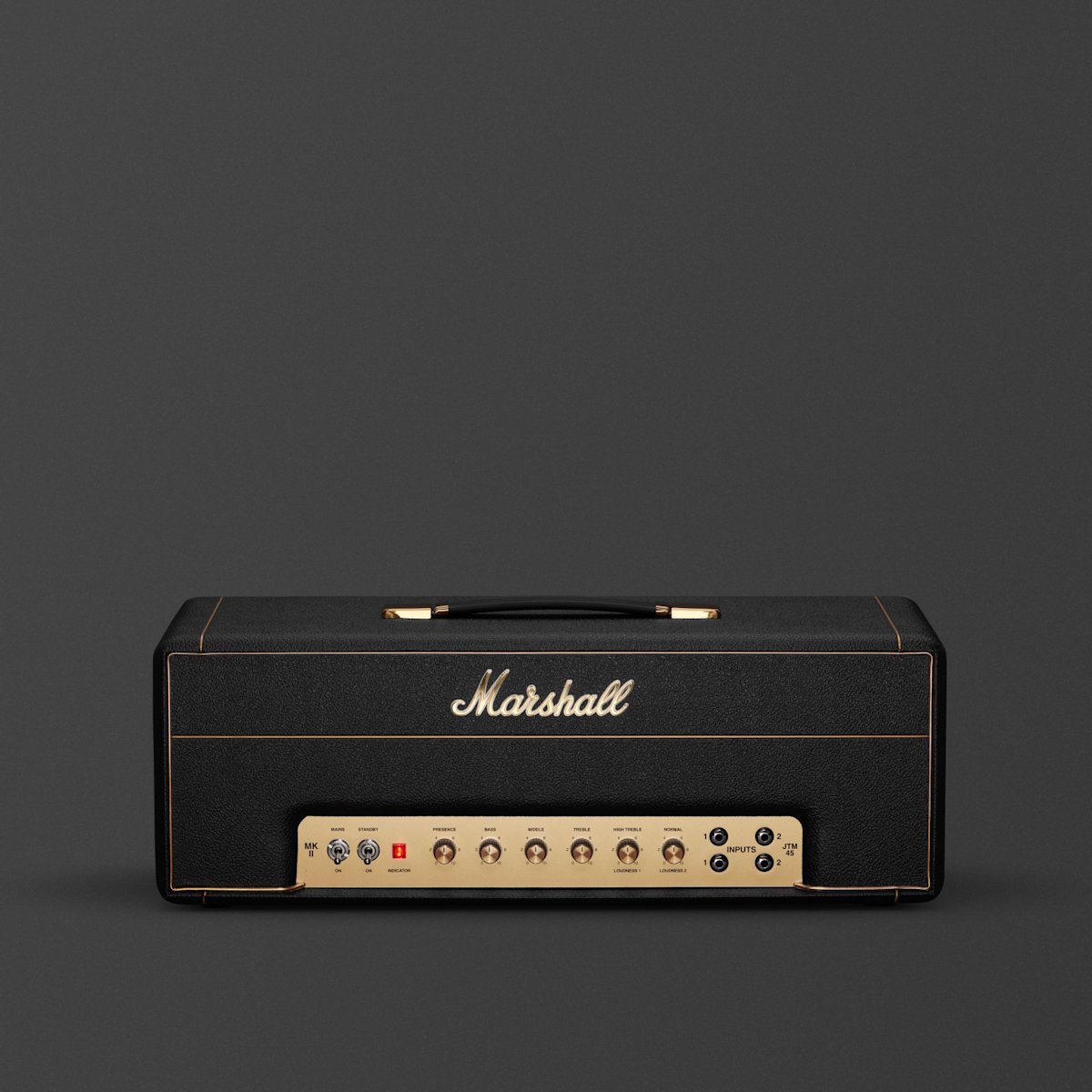
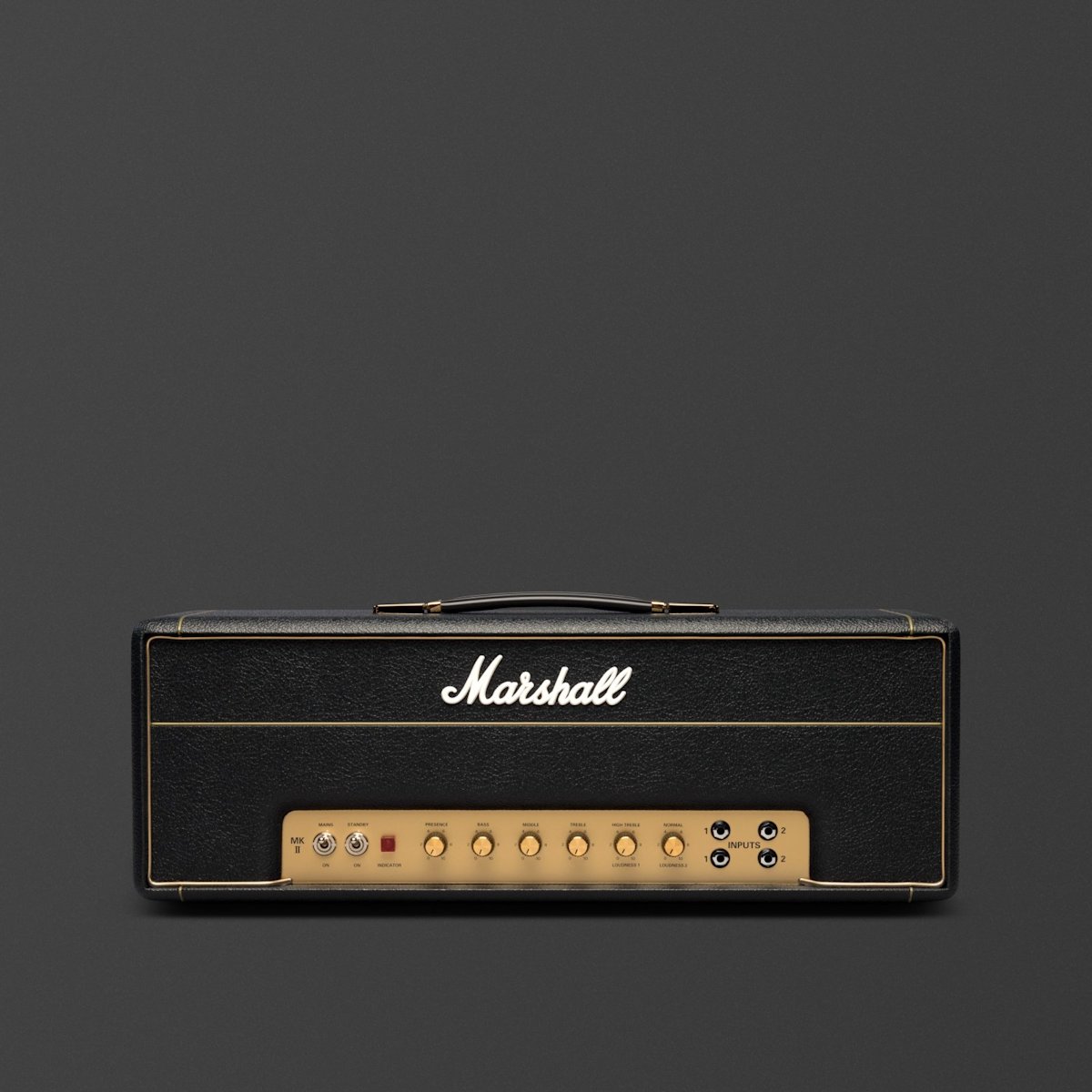
Head amplifiers and cabinets
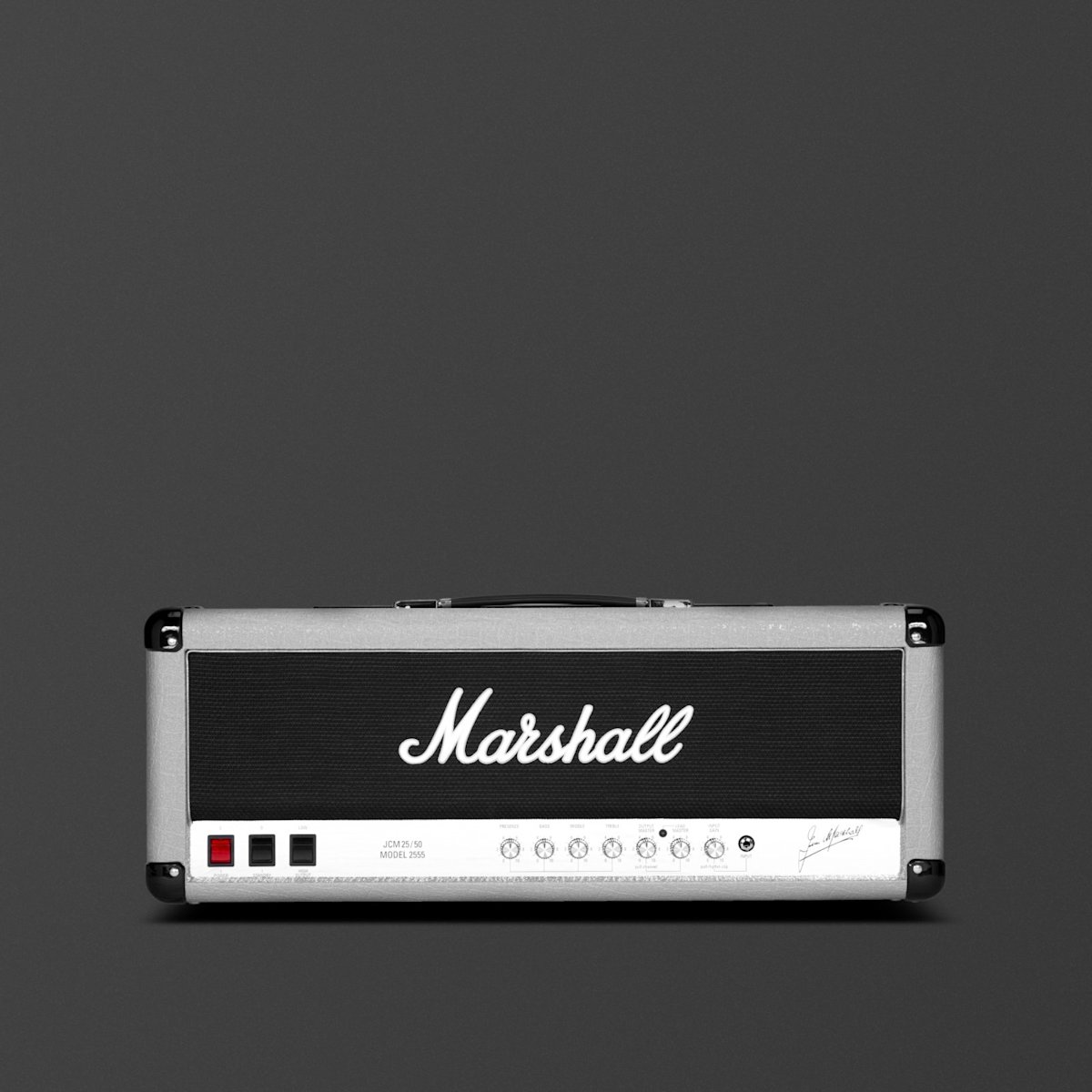
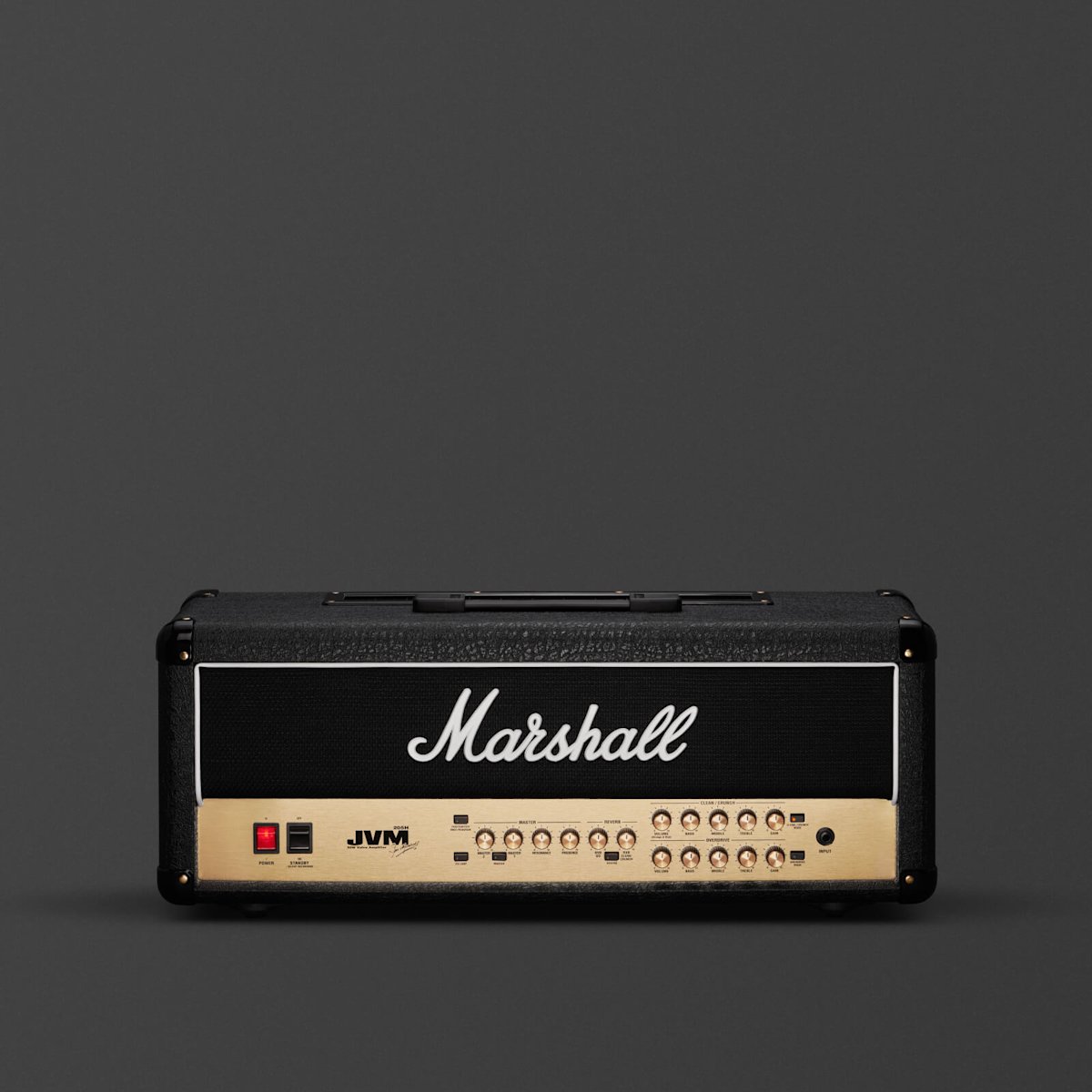
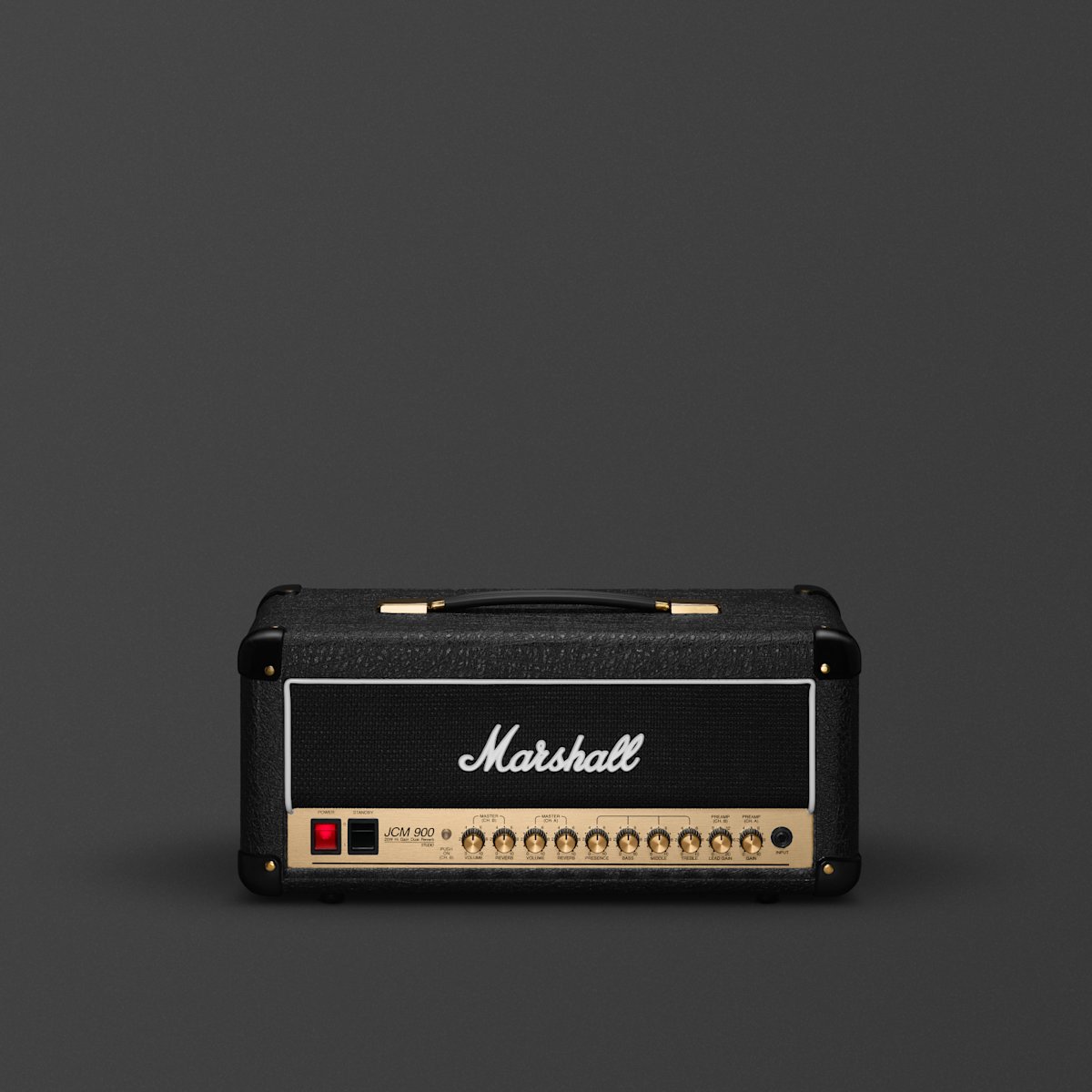
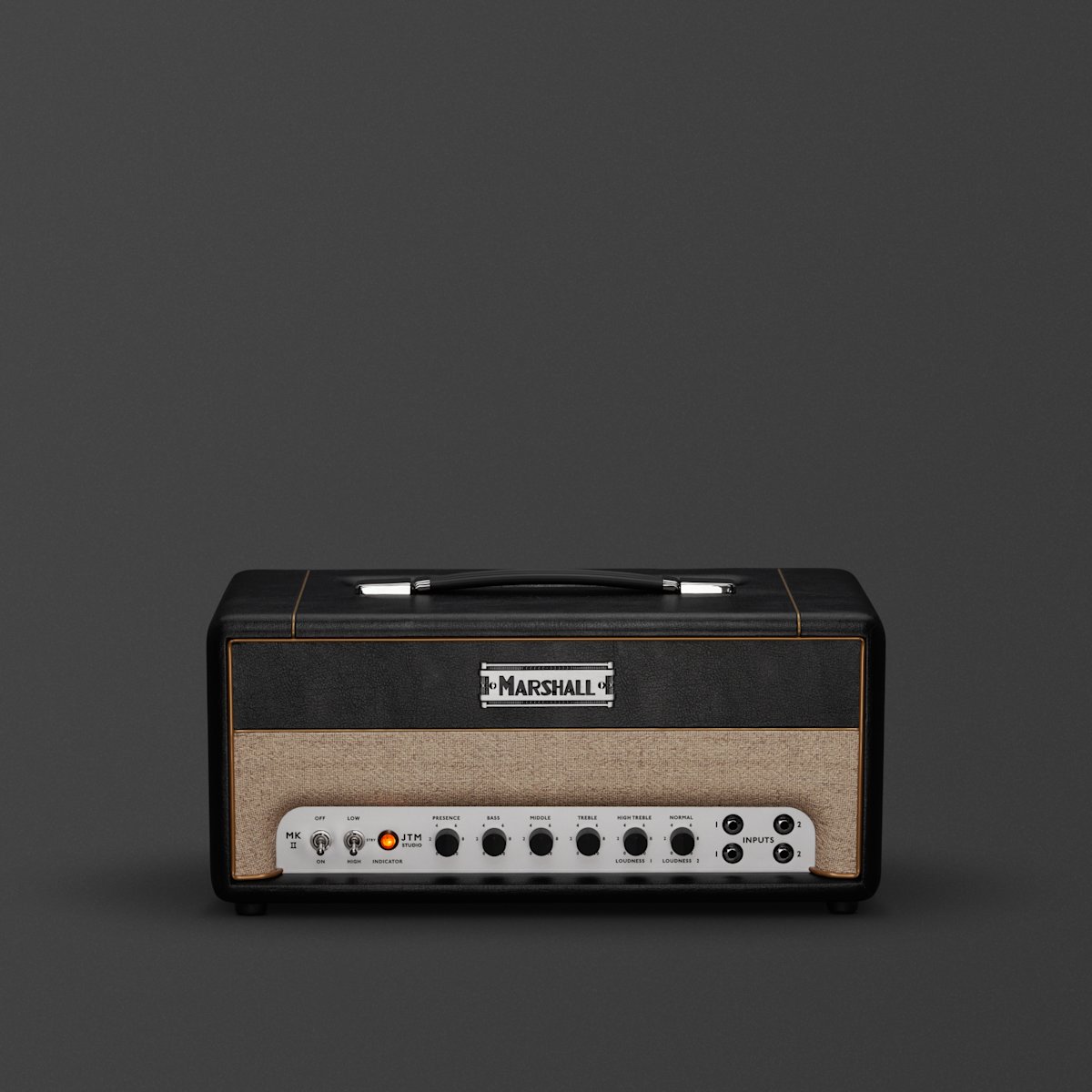
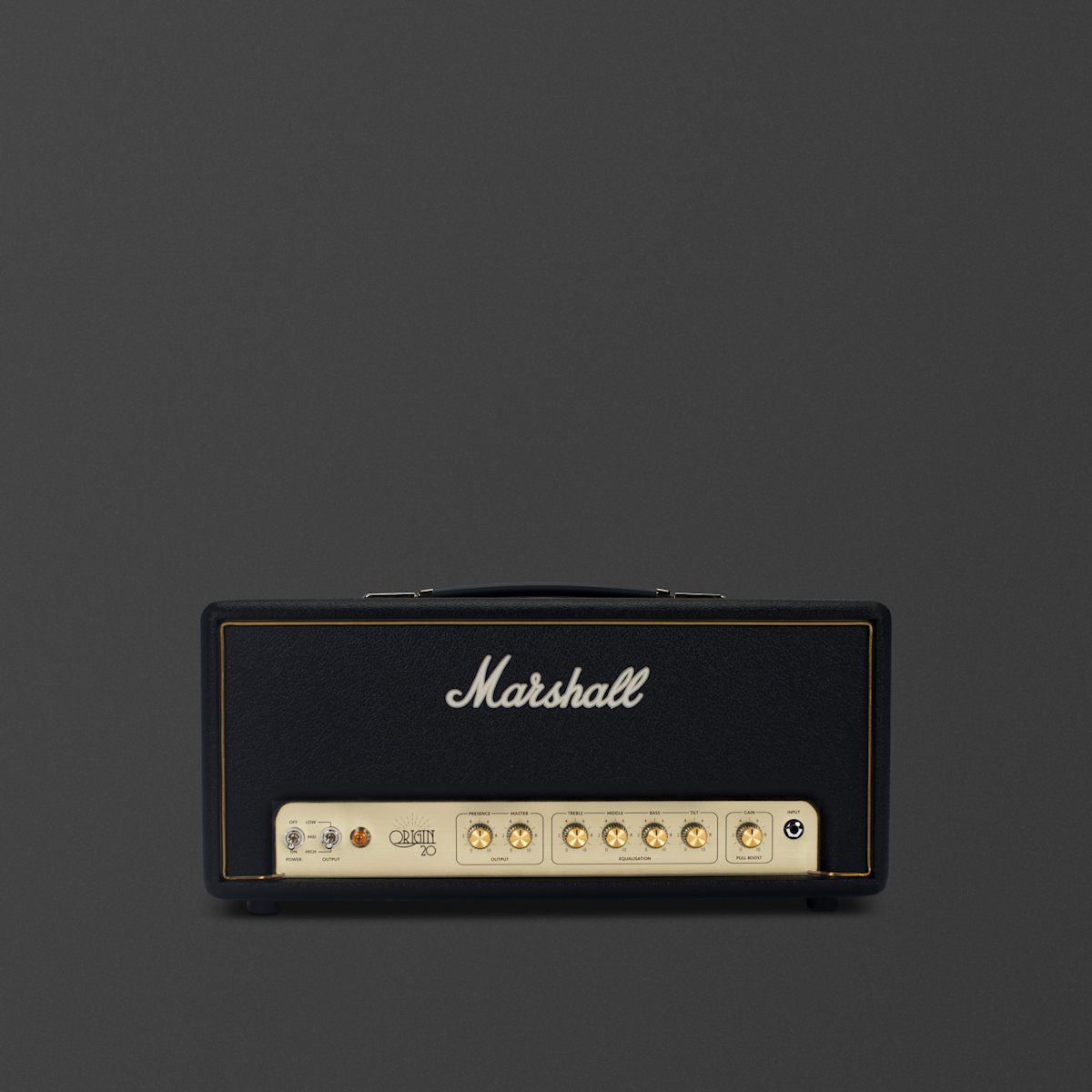
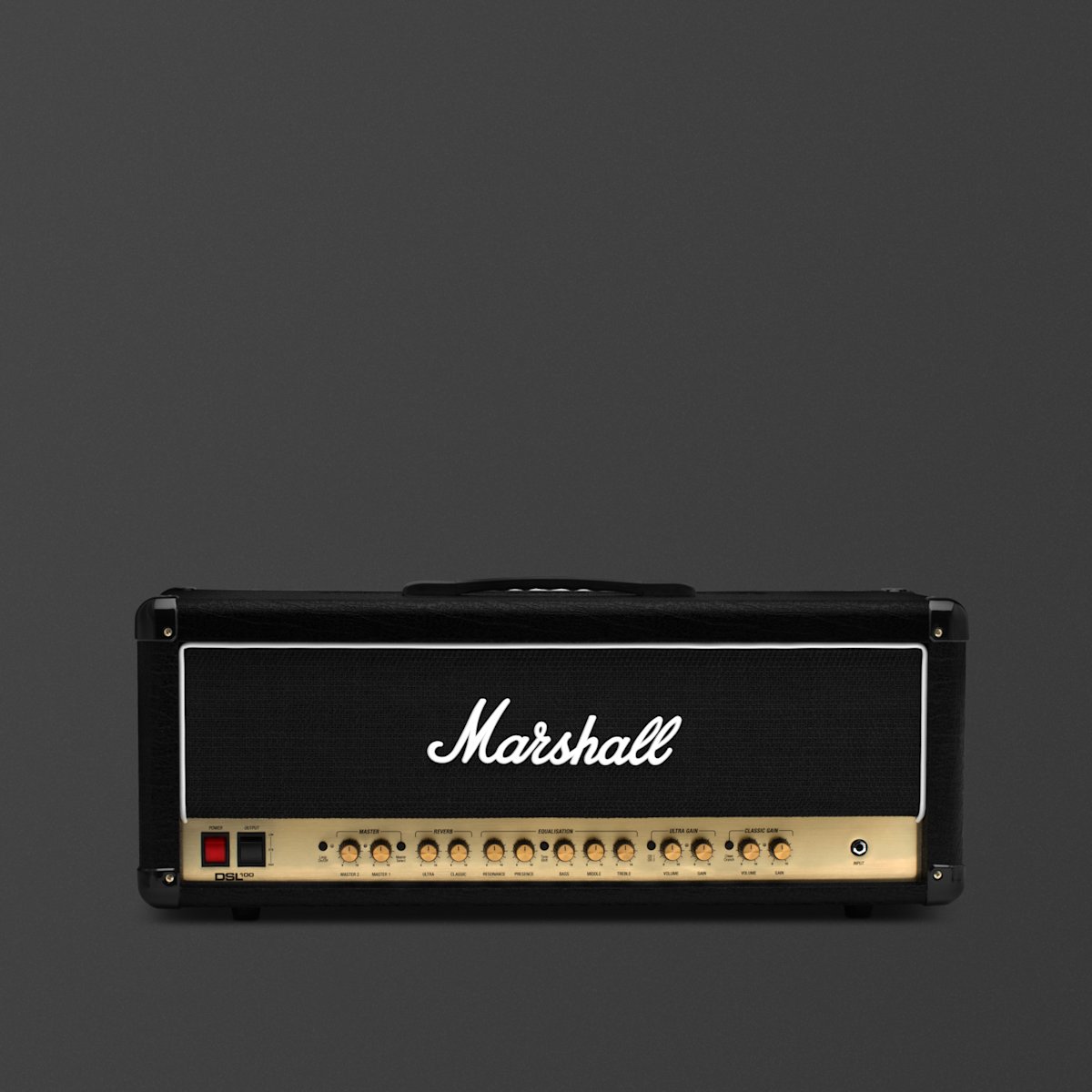
This traditional combination of head and cab has been synonymous with Marshall since day one.
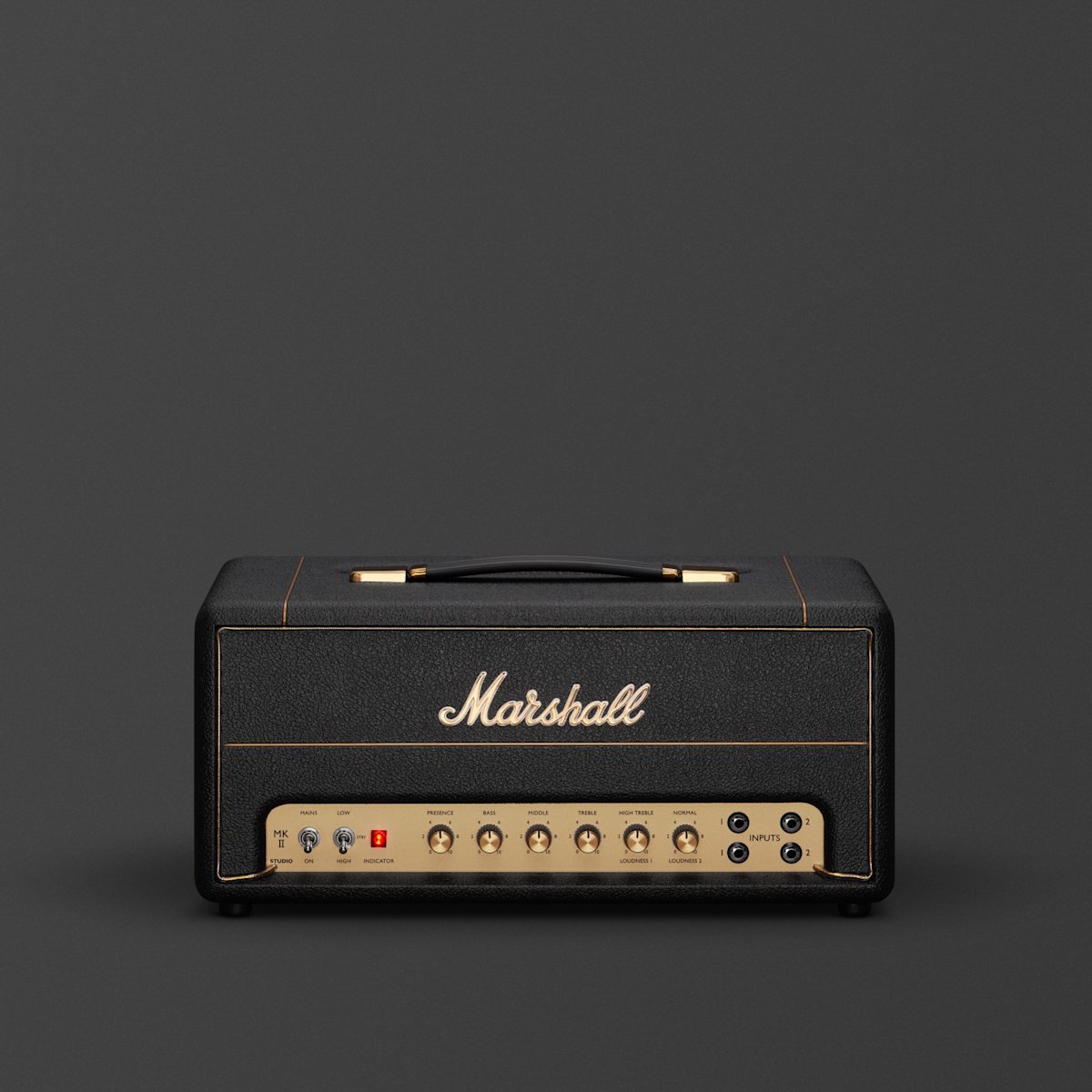
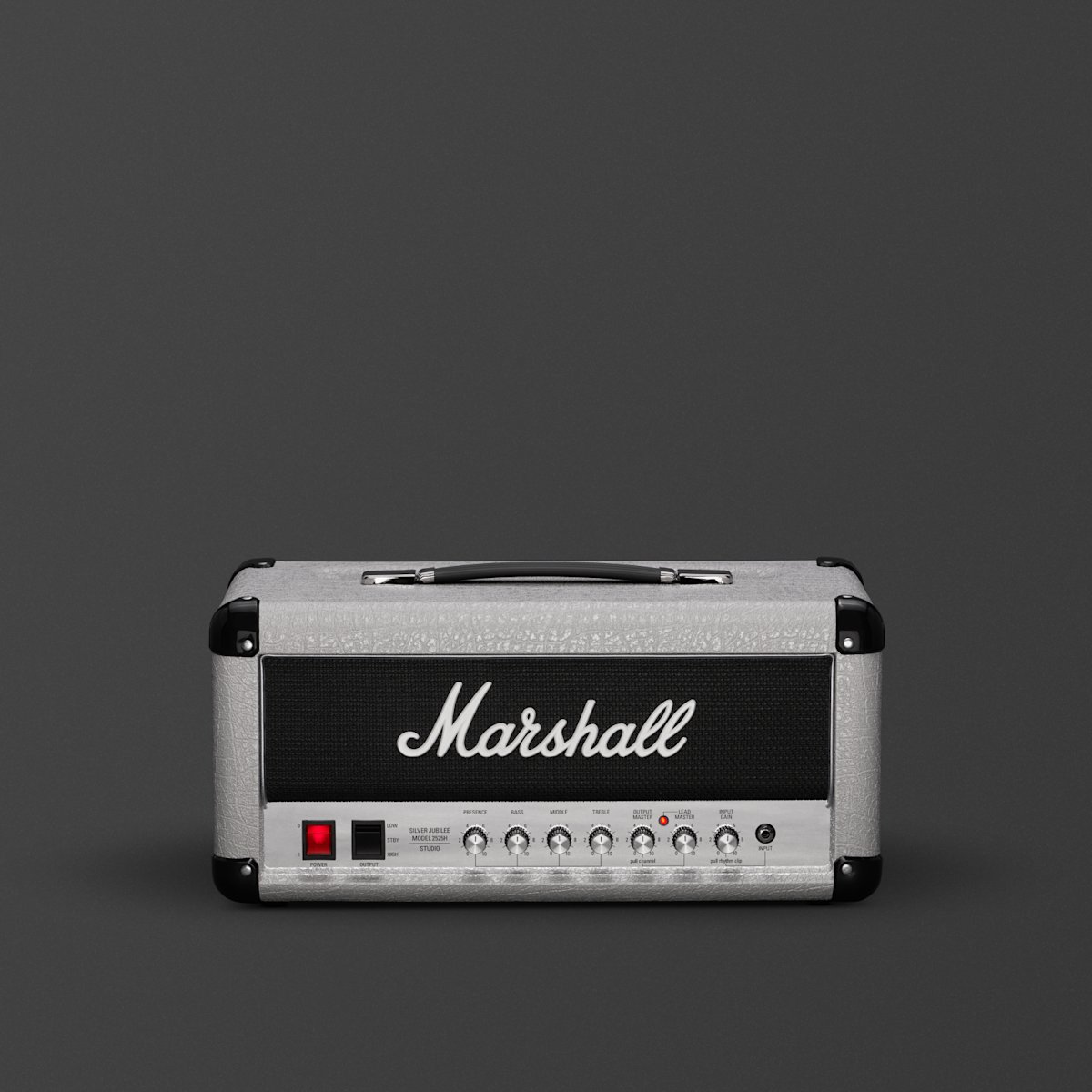
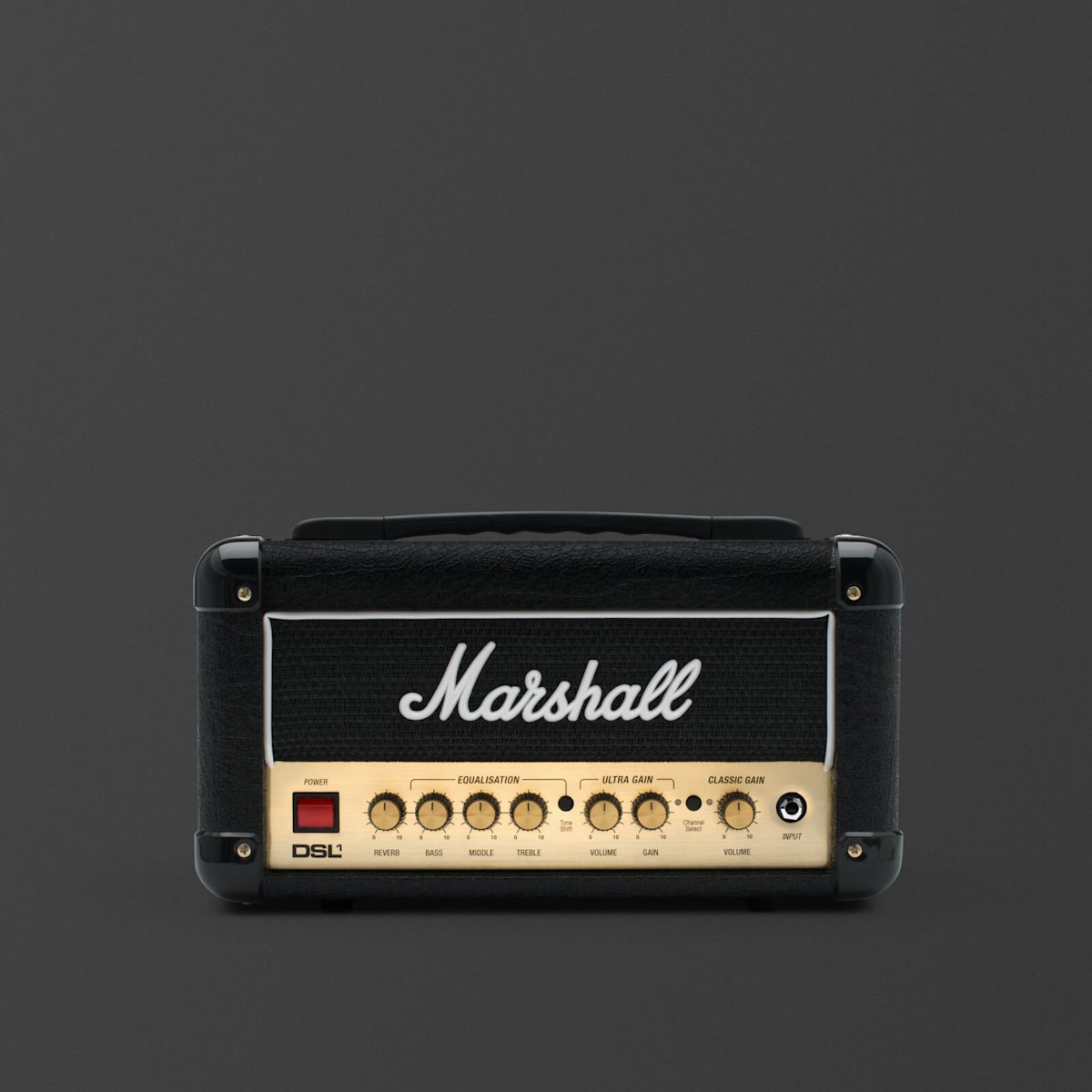
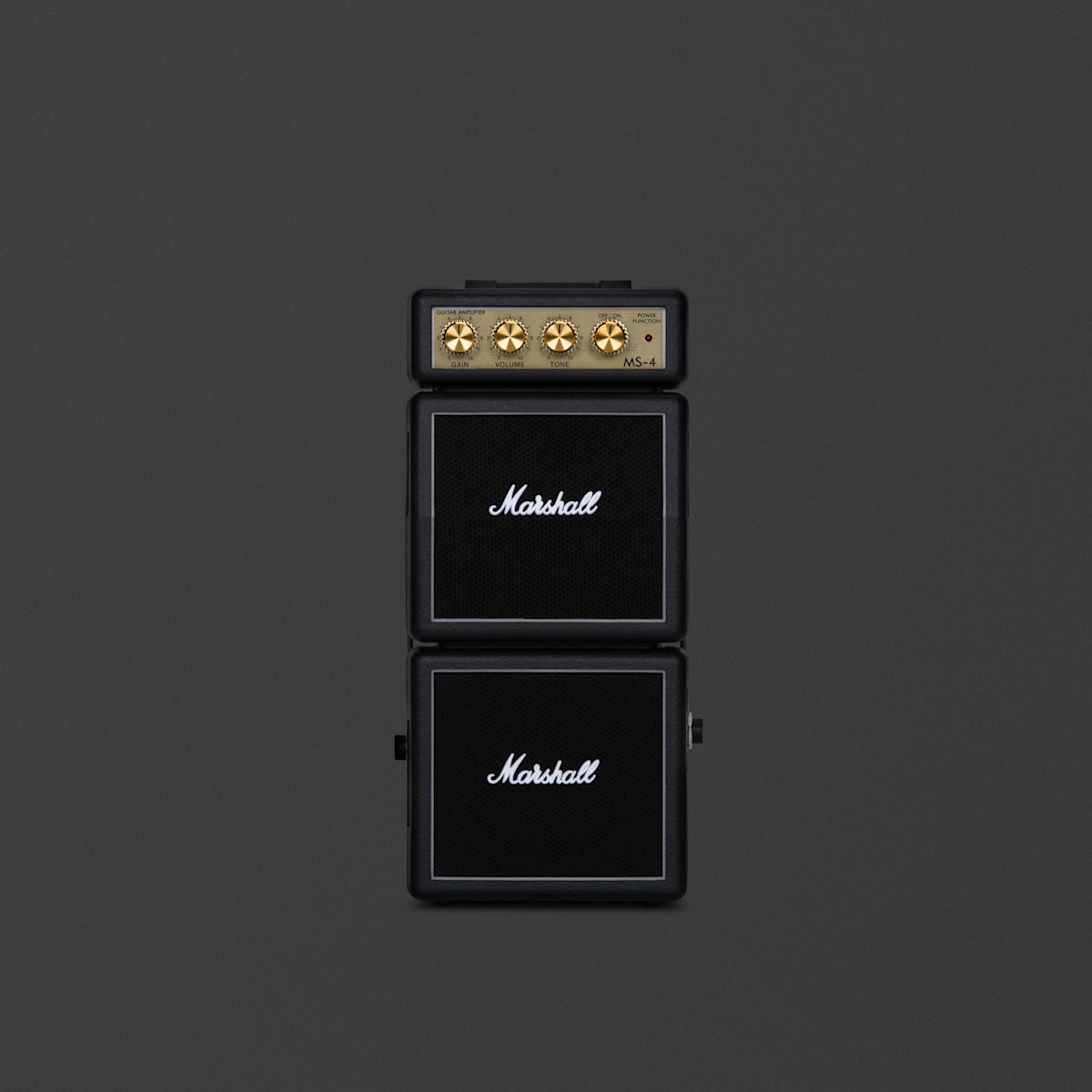
The head and the cab each provide different components of the amplifier – you’ll have all the circuitry, and overall ‘brains’, of the amplifier in the head section and the speakers can be found within the cabinet below. These two parts are connected together with a speaker cable and are used to bring your sound to life.
A conversation Jim Marshall had, in the 60s, made history when it resulted in the birth of the ‘full stack’ (an amp head with two 4x12” cabinets, usually one angled and one straight).
Despite the idea coming to life over six decades ago, this amp style still remains popular to this day, due to the sheer power and volume it’s able to create.
When an amplifier head is cranked at full volume through a 4x12” cabinet it ‘pushes’ the air, which is why you’re able to feel the sound you’re creating. This is vital for when you’re playing at shows that only run vocals through a PA system.
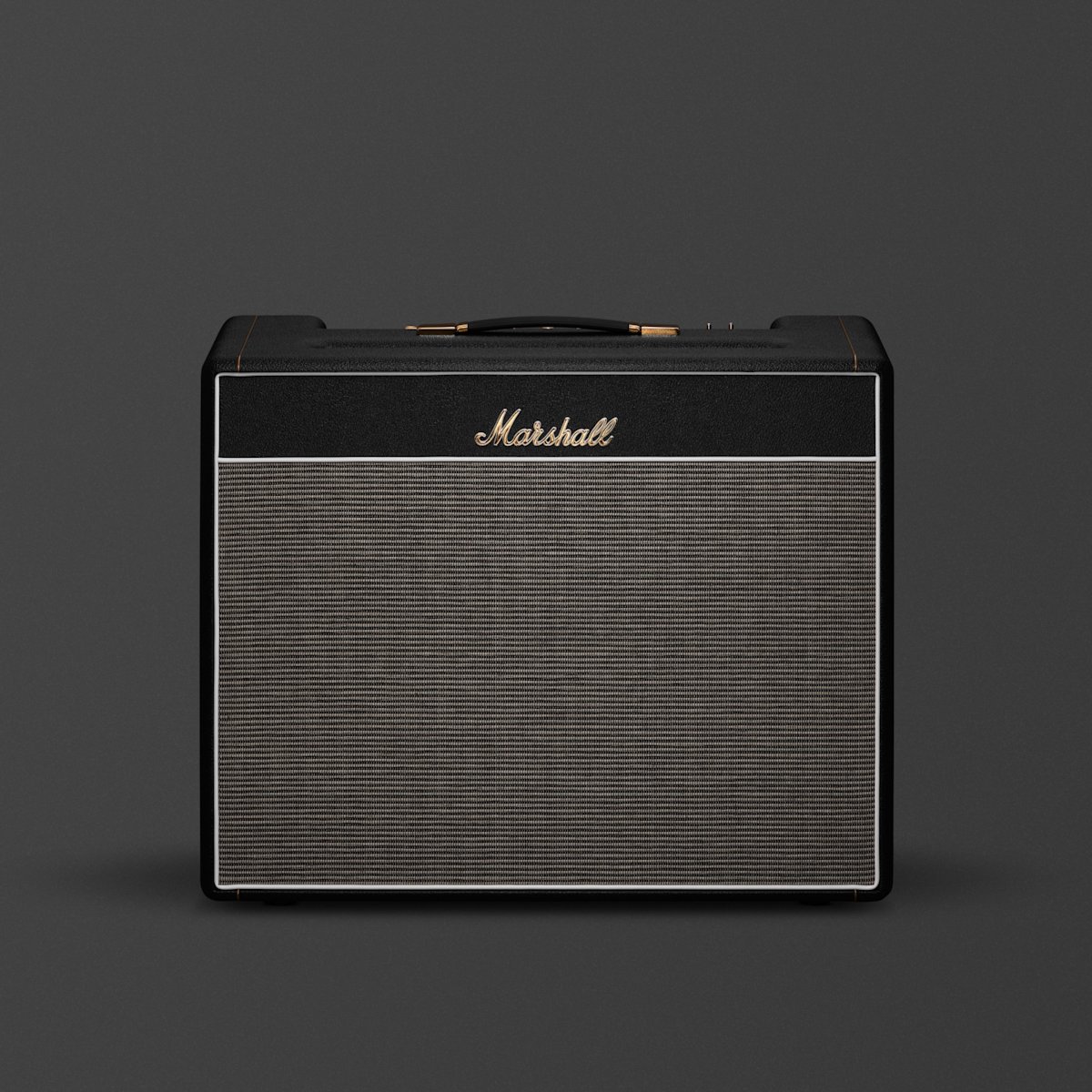
Combo amplifiers
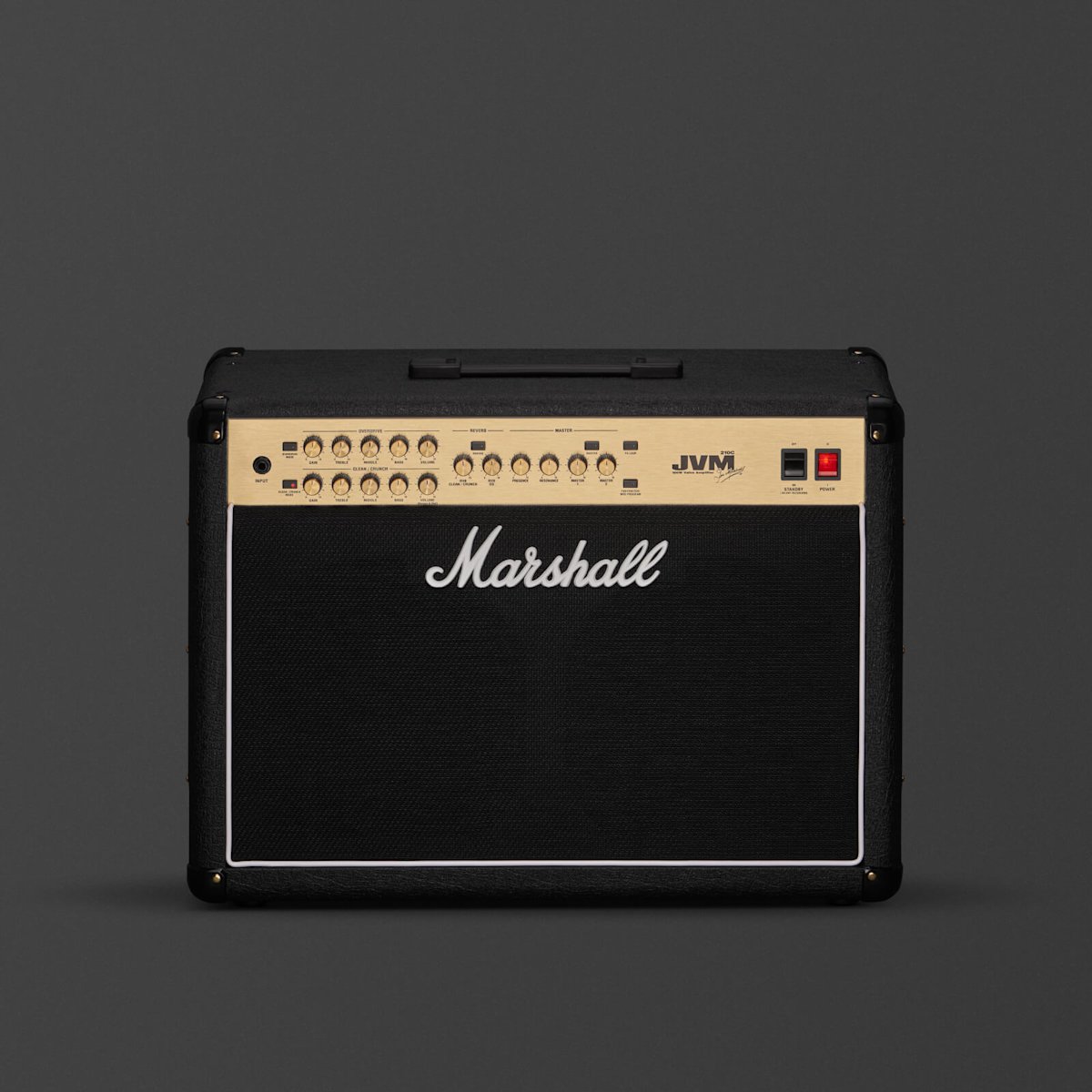
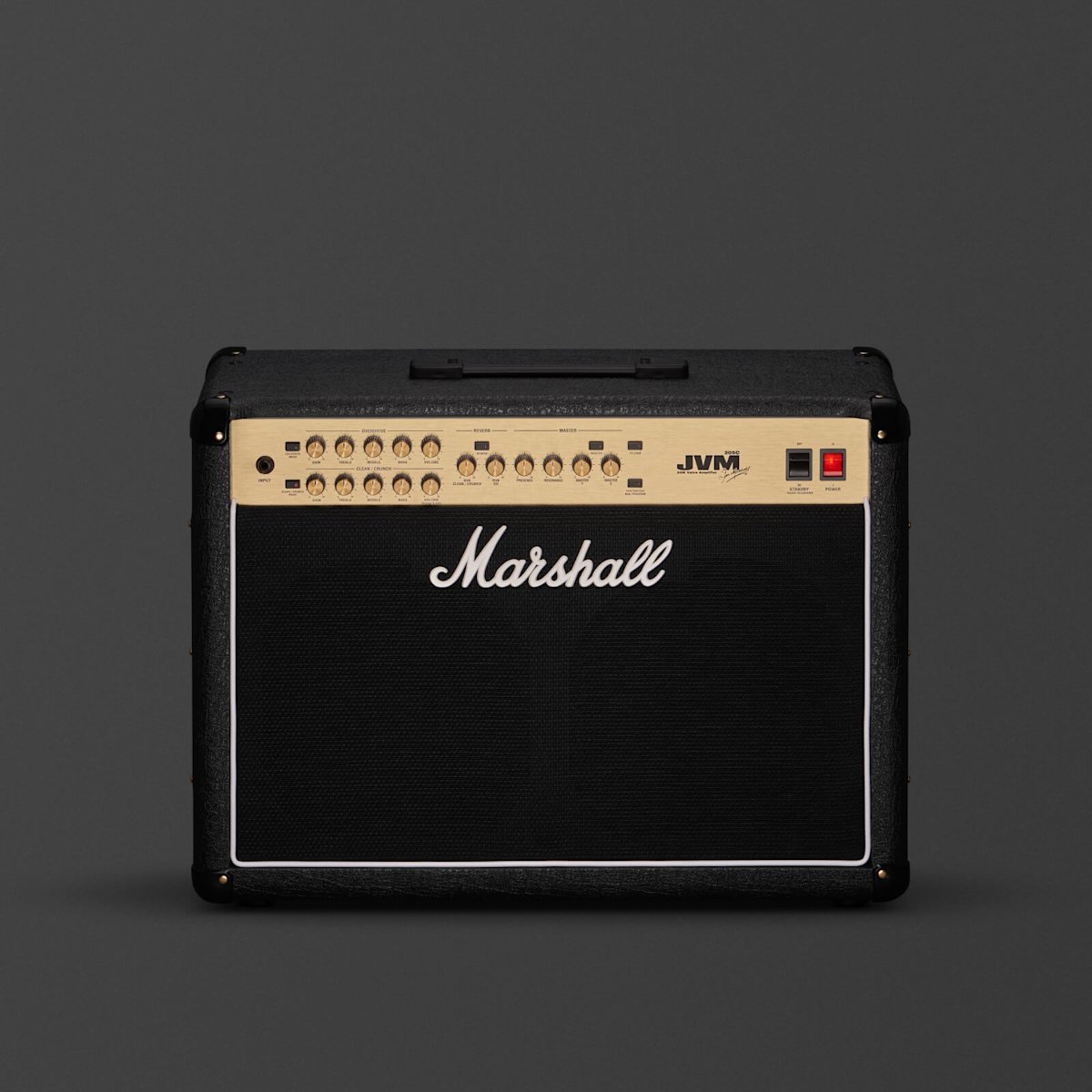
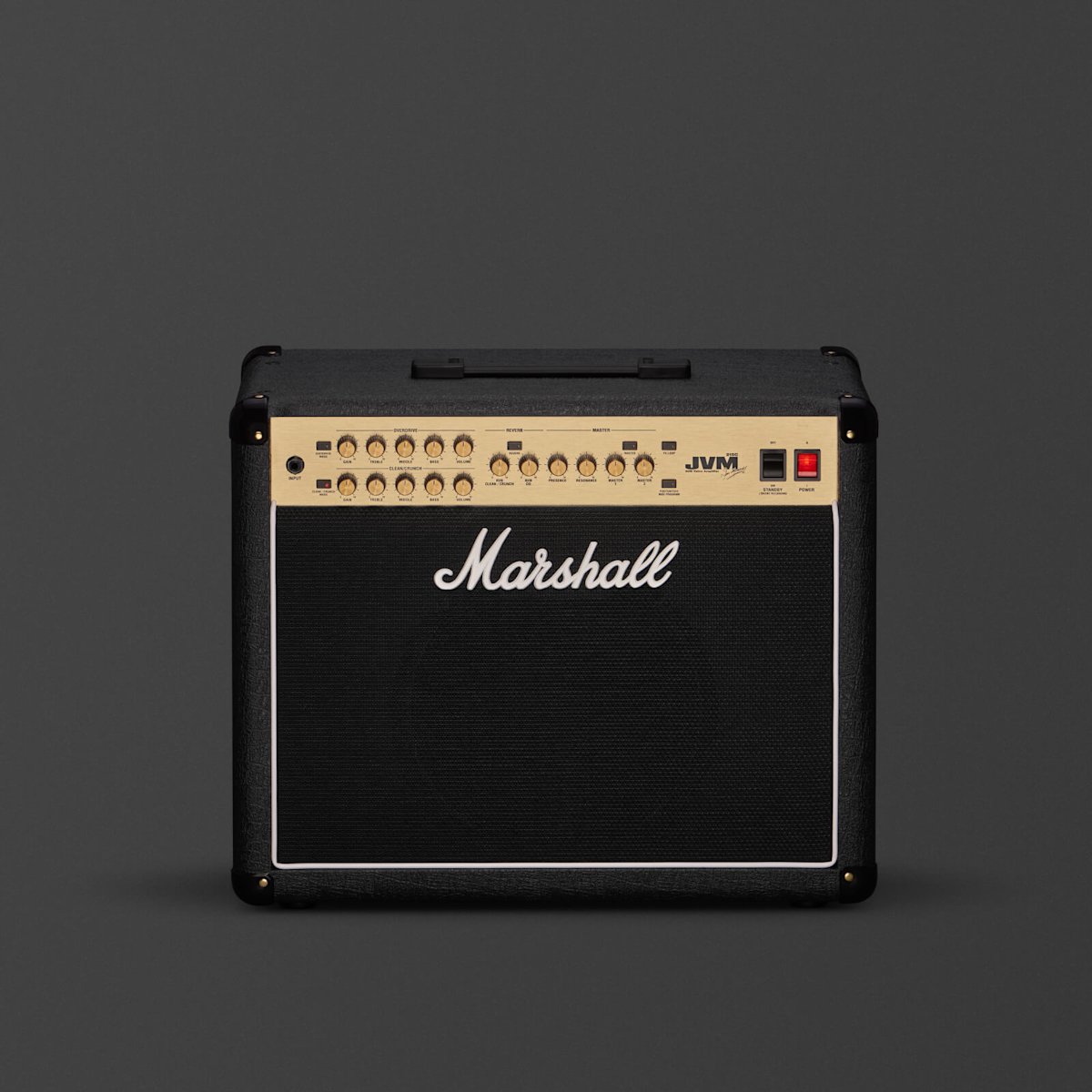
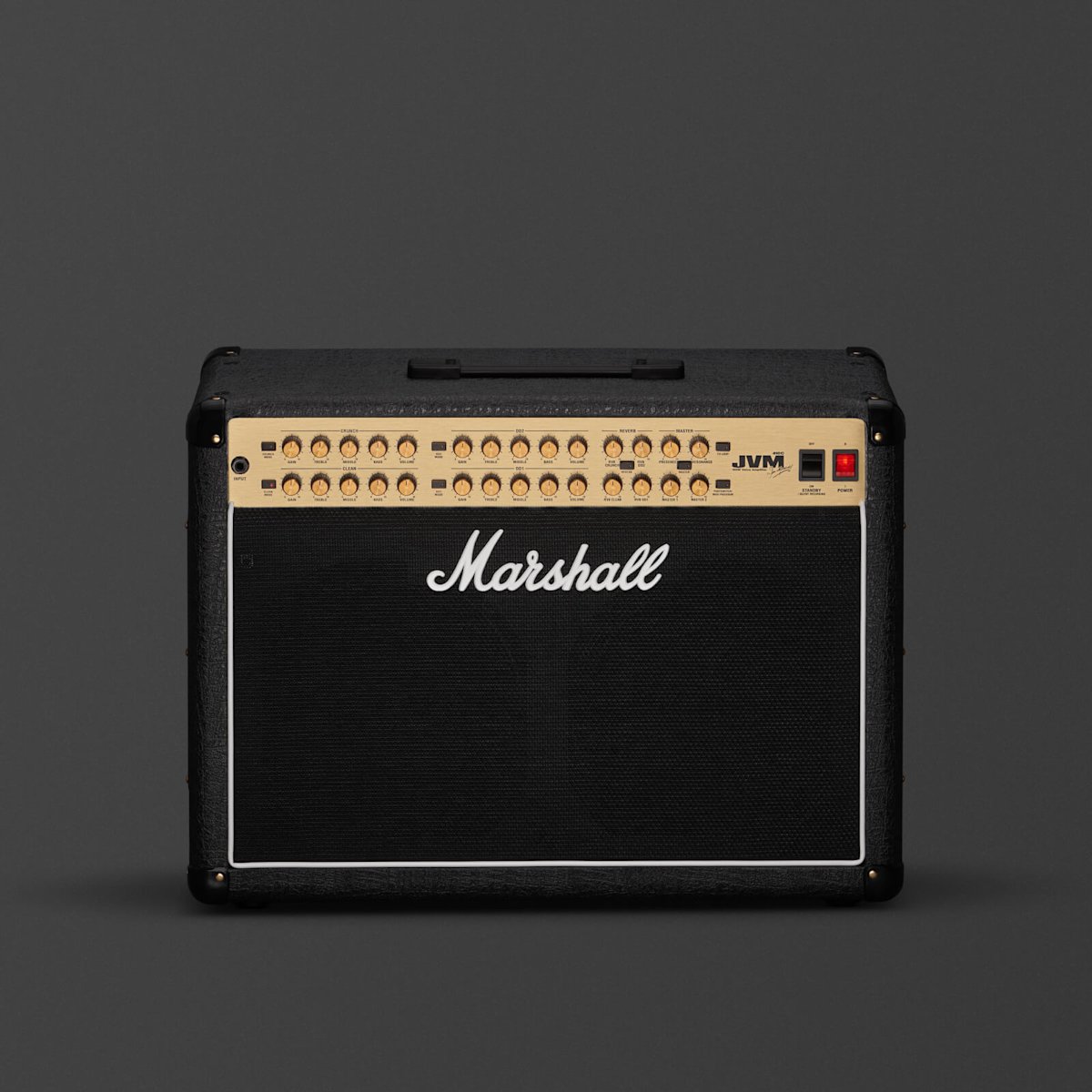
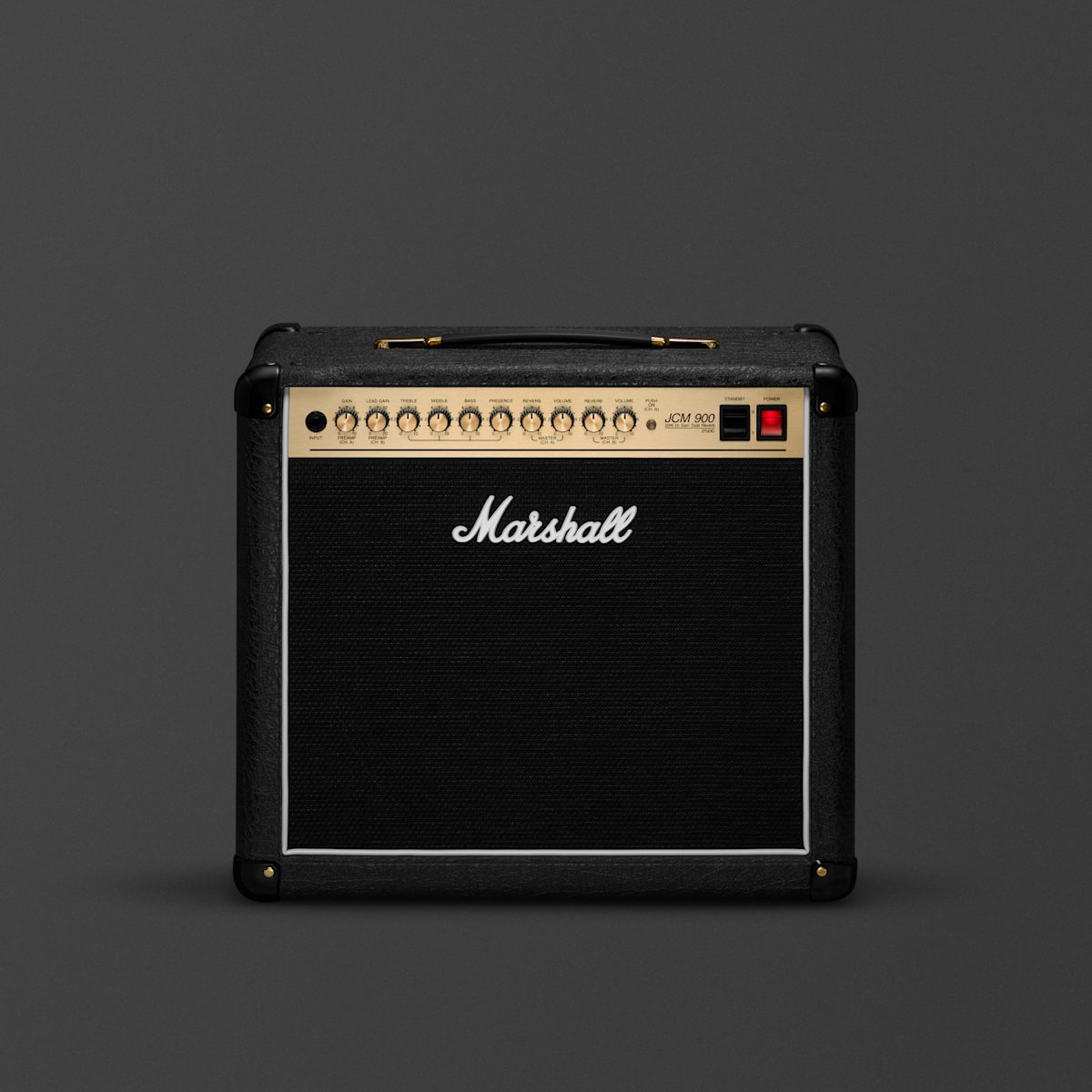
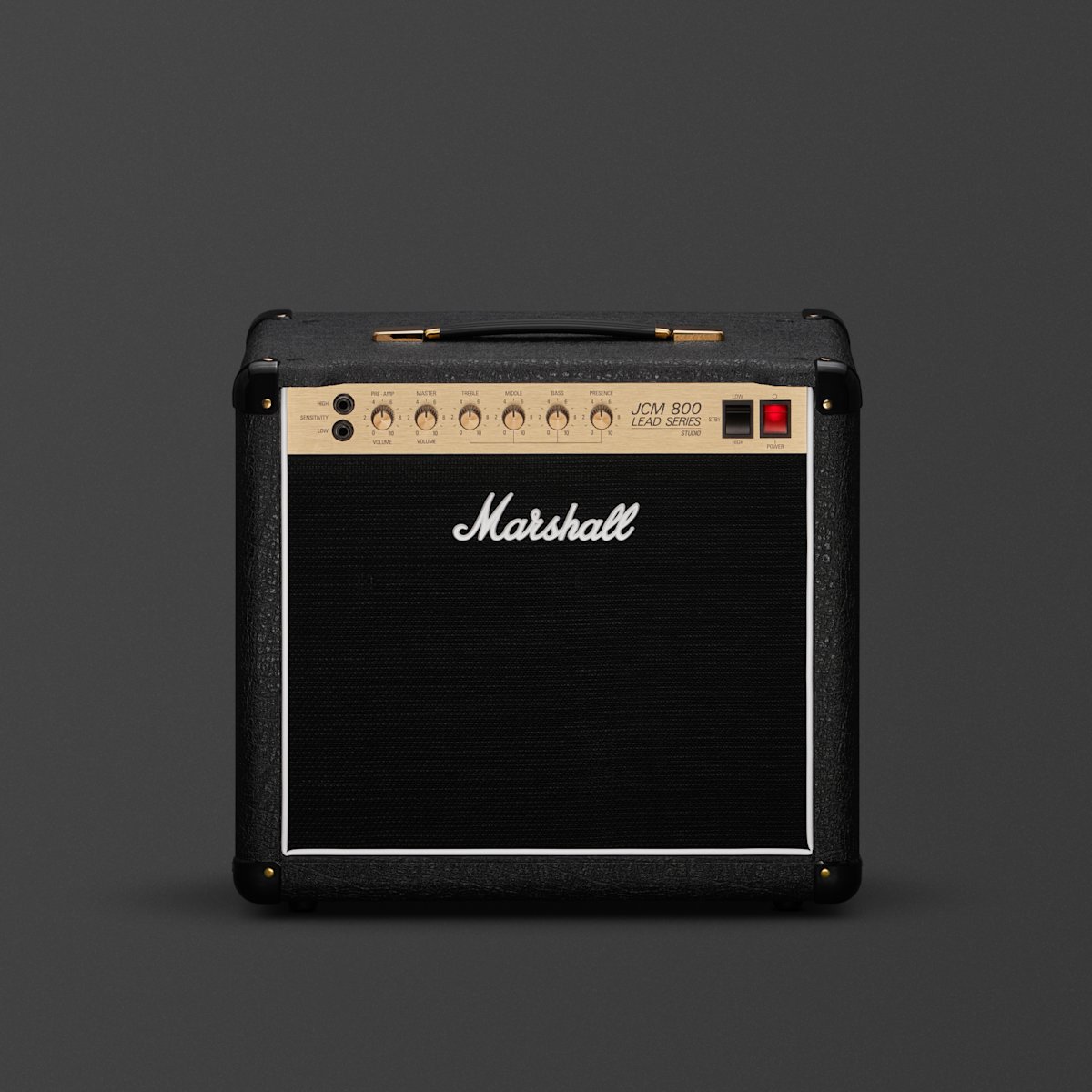
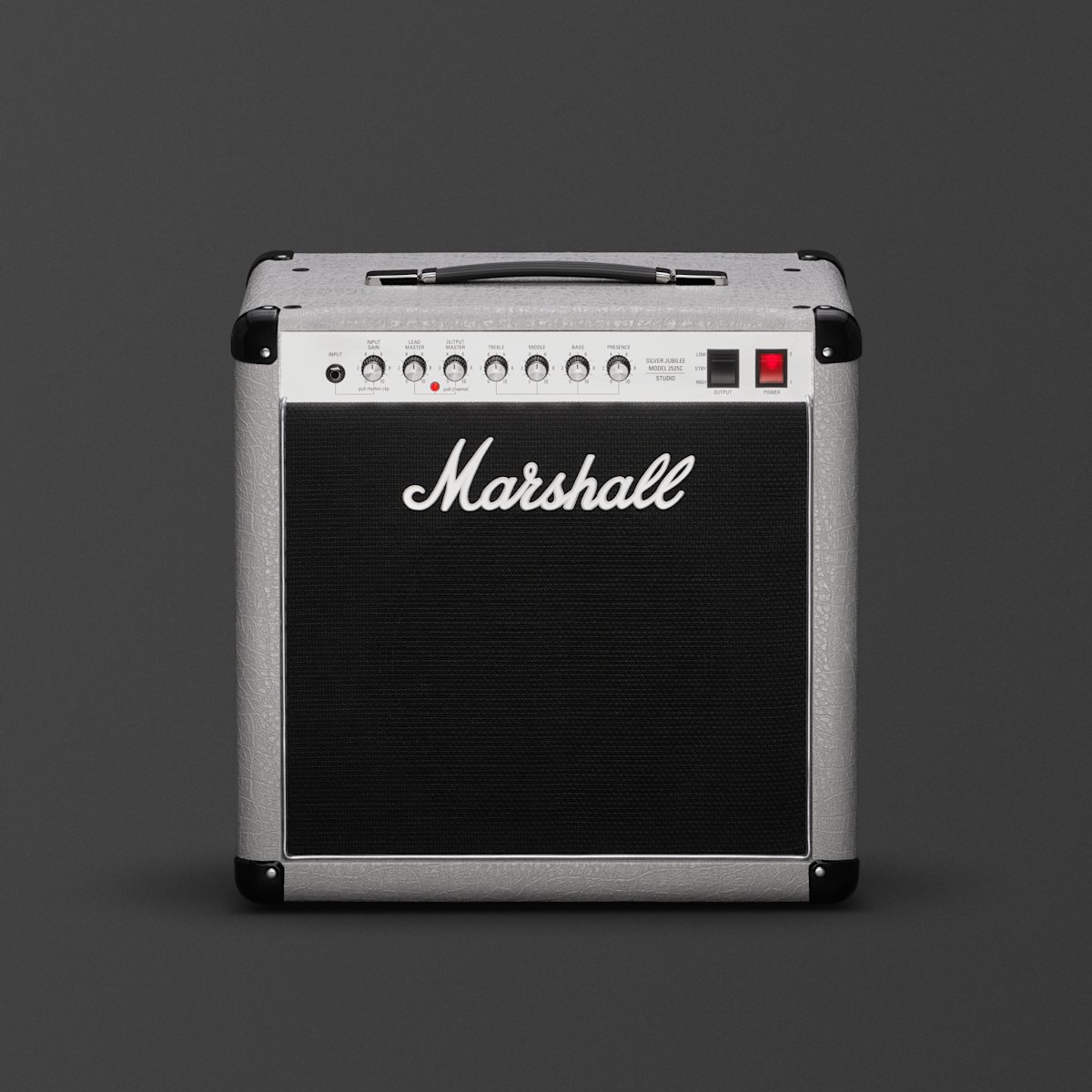
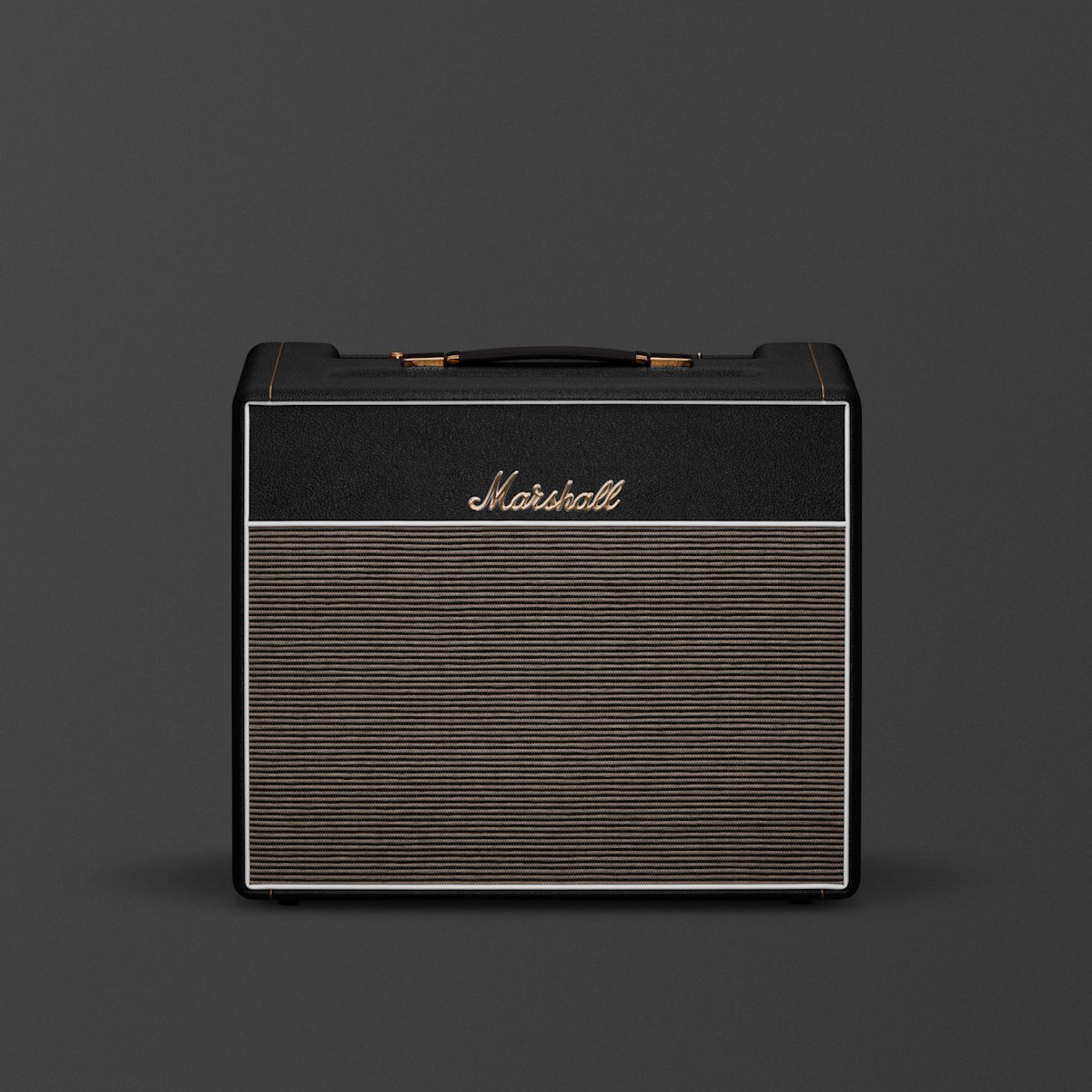
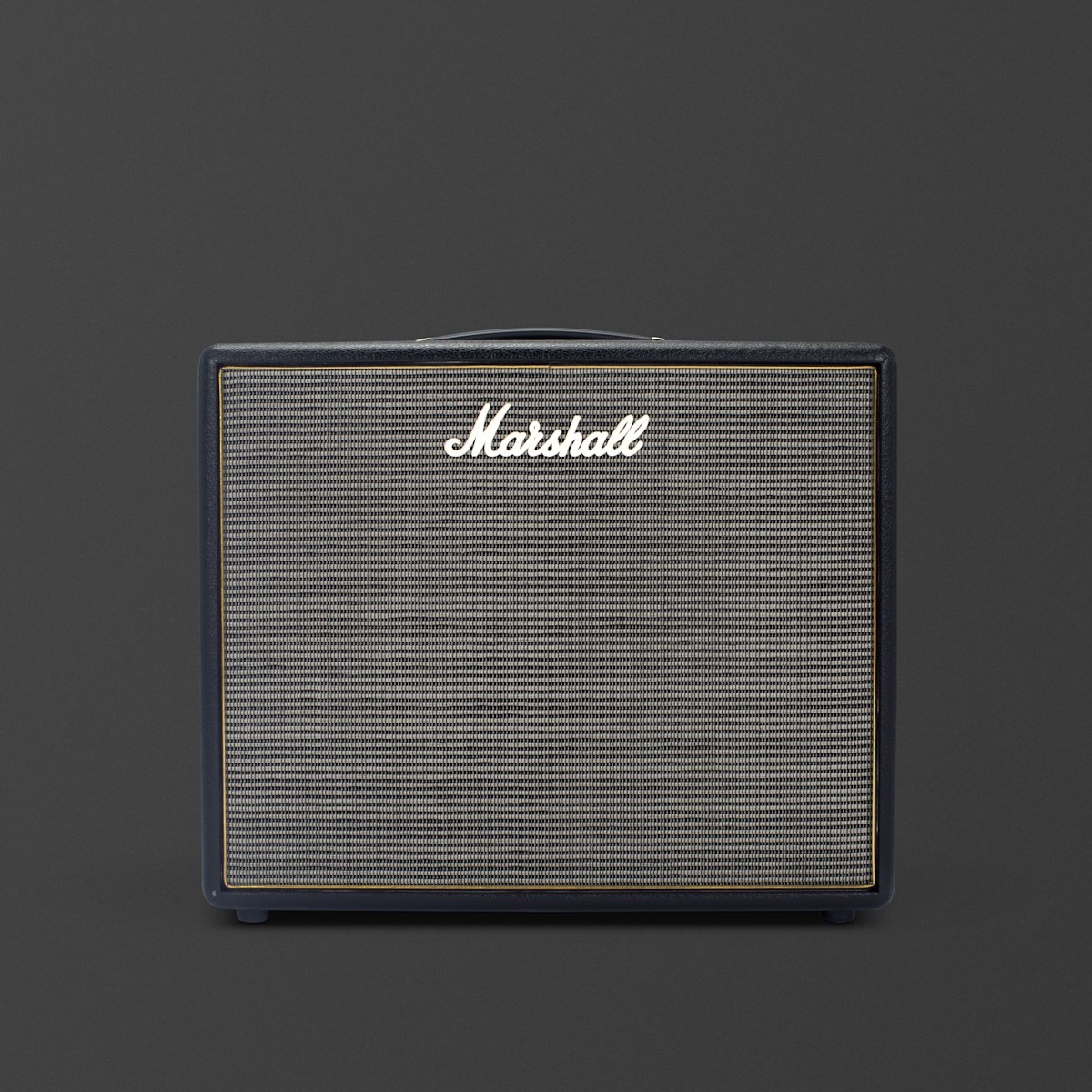
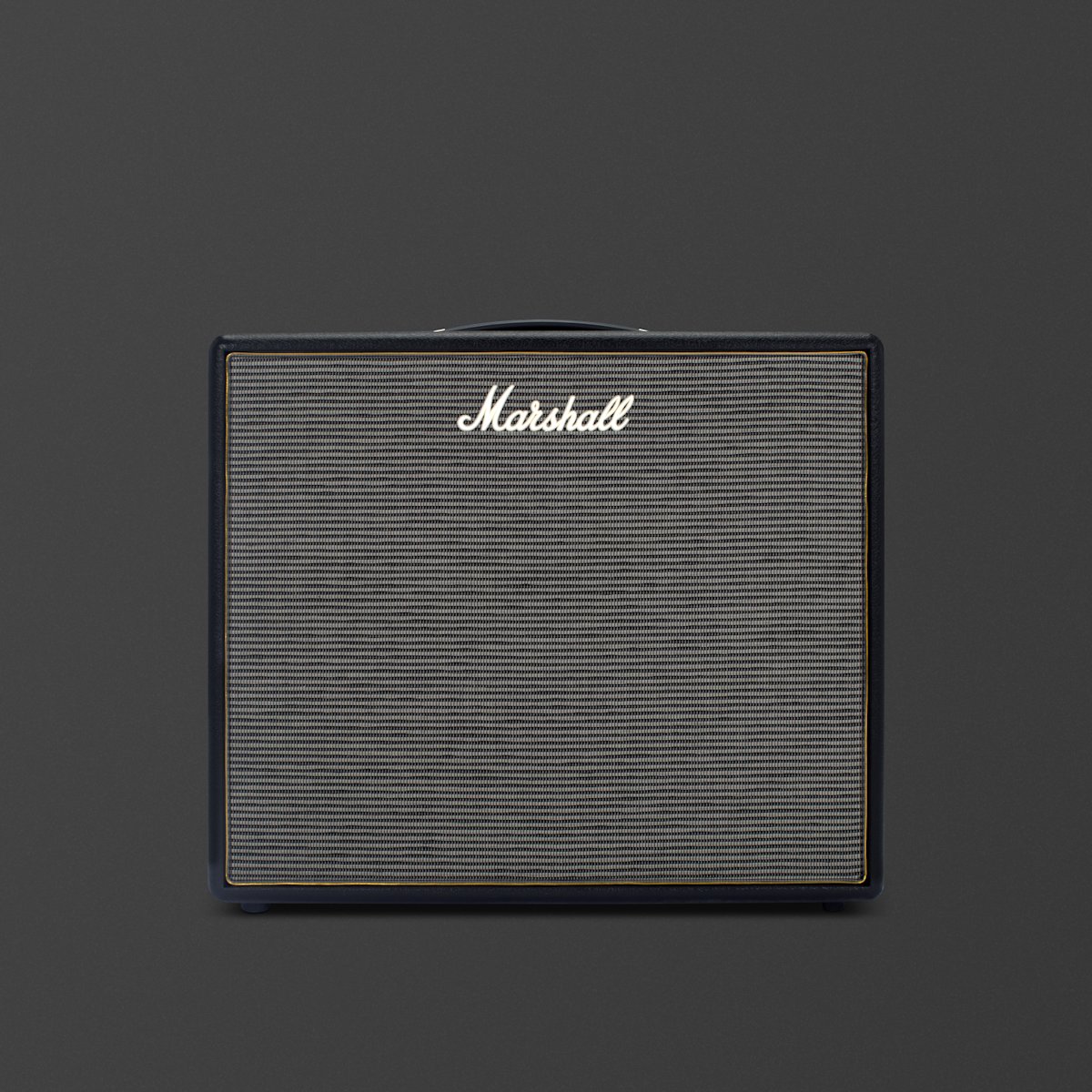
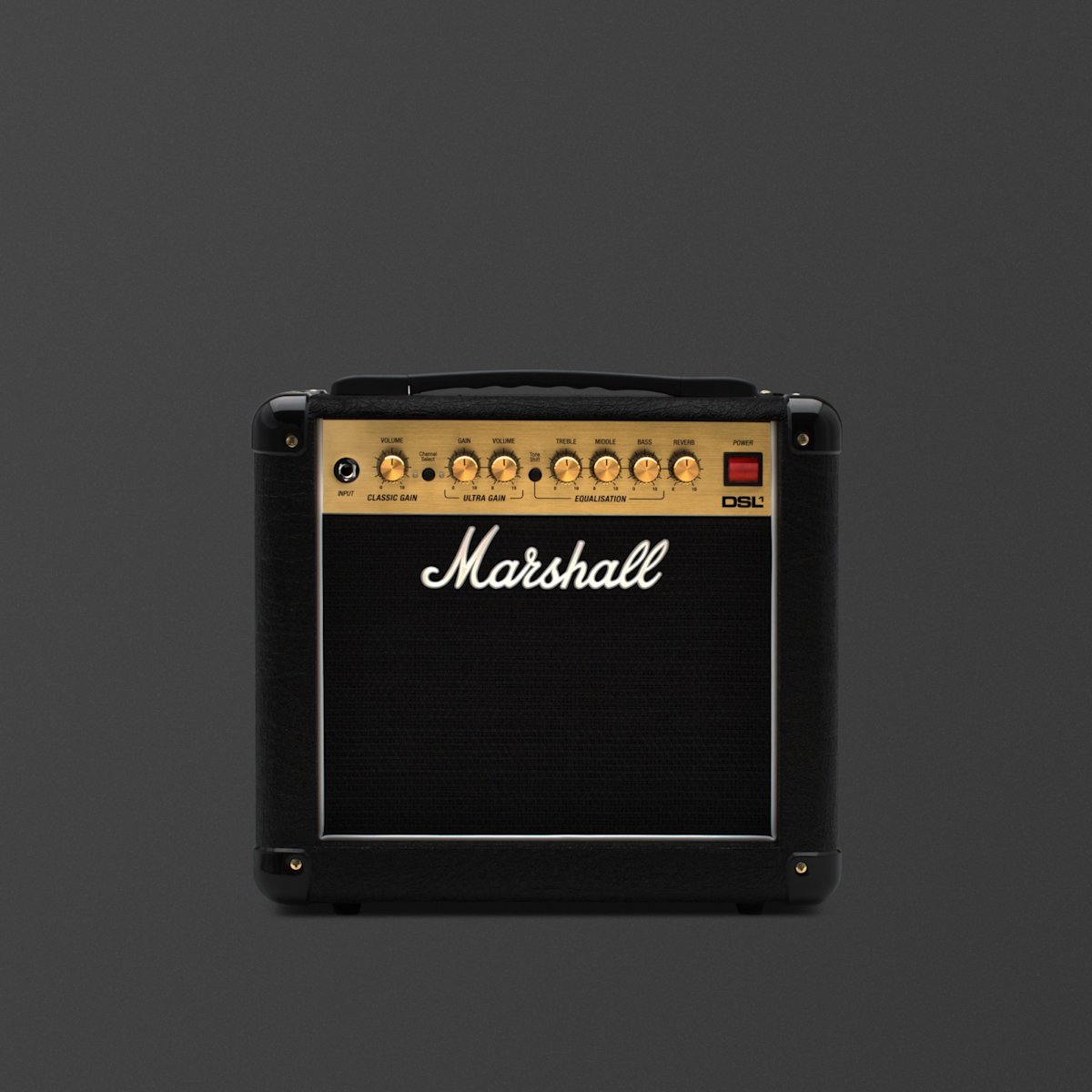
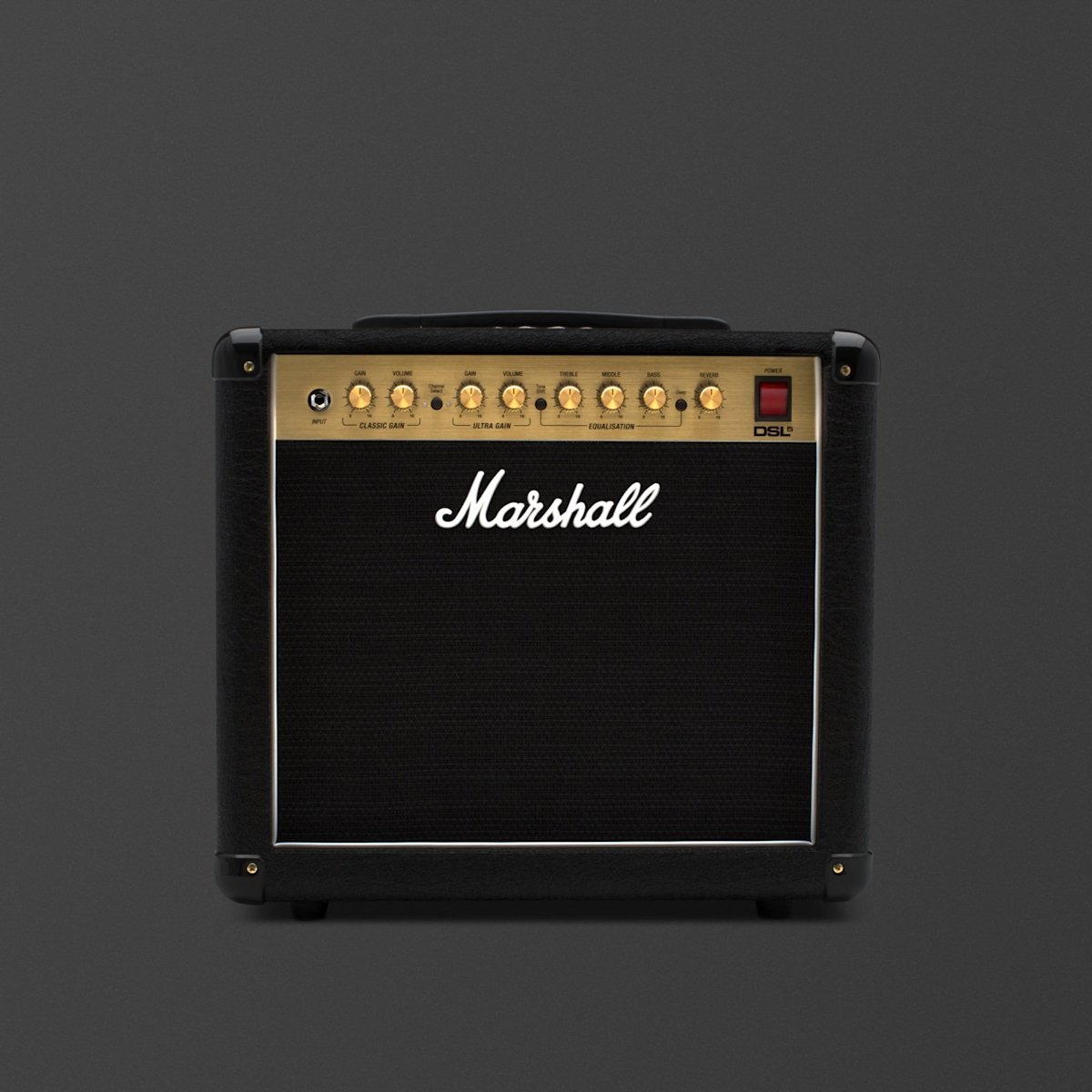
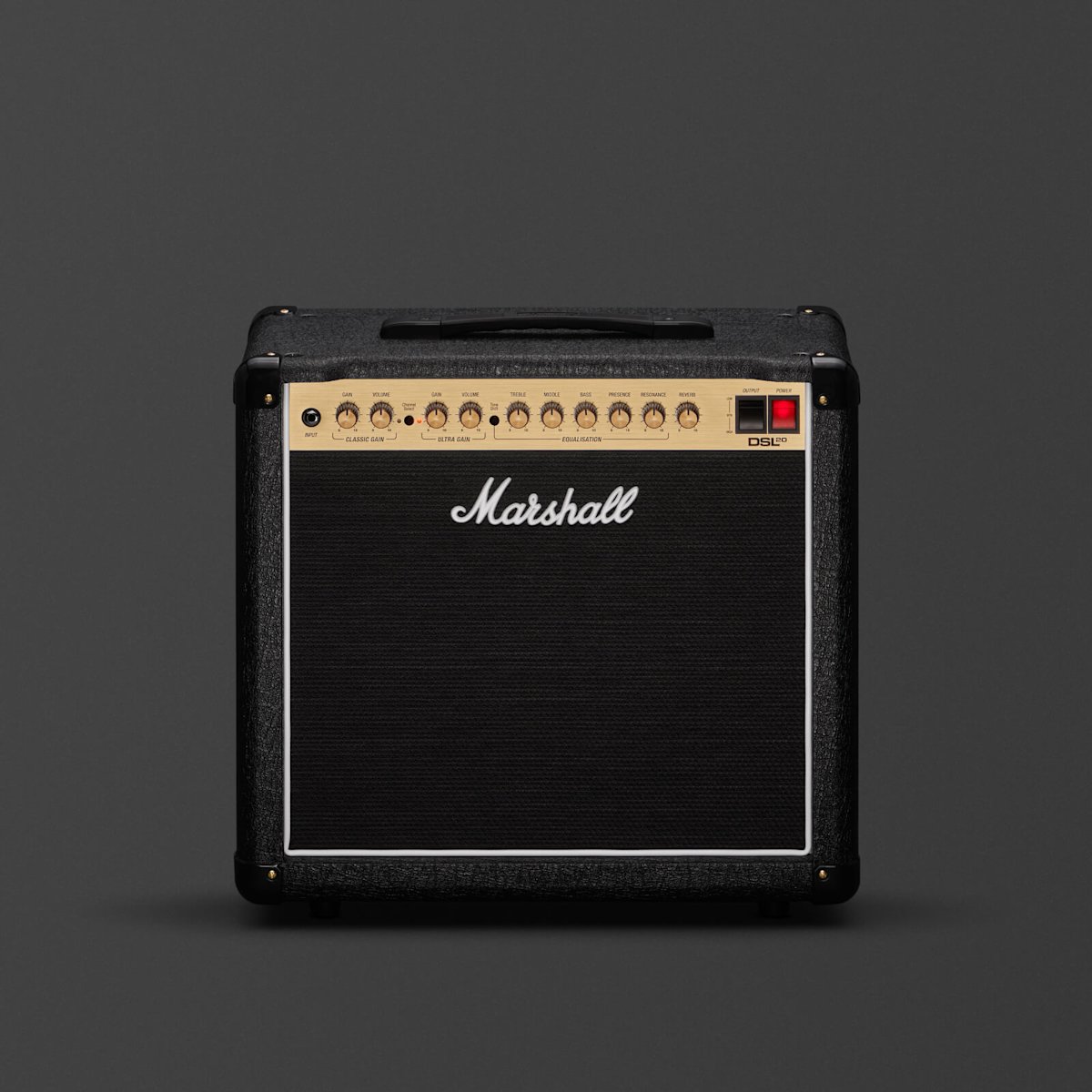
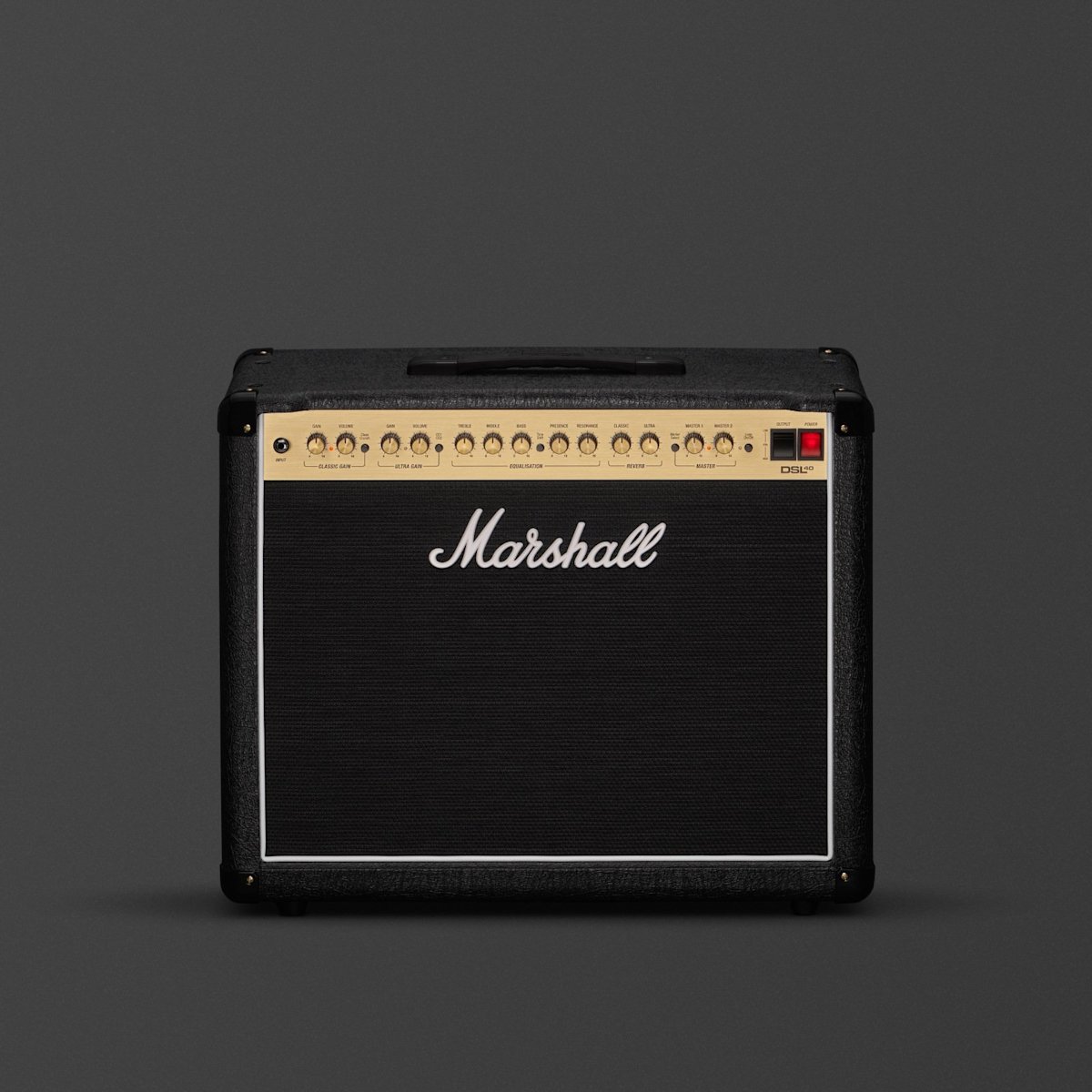
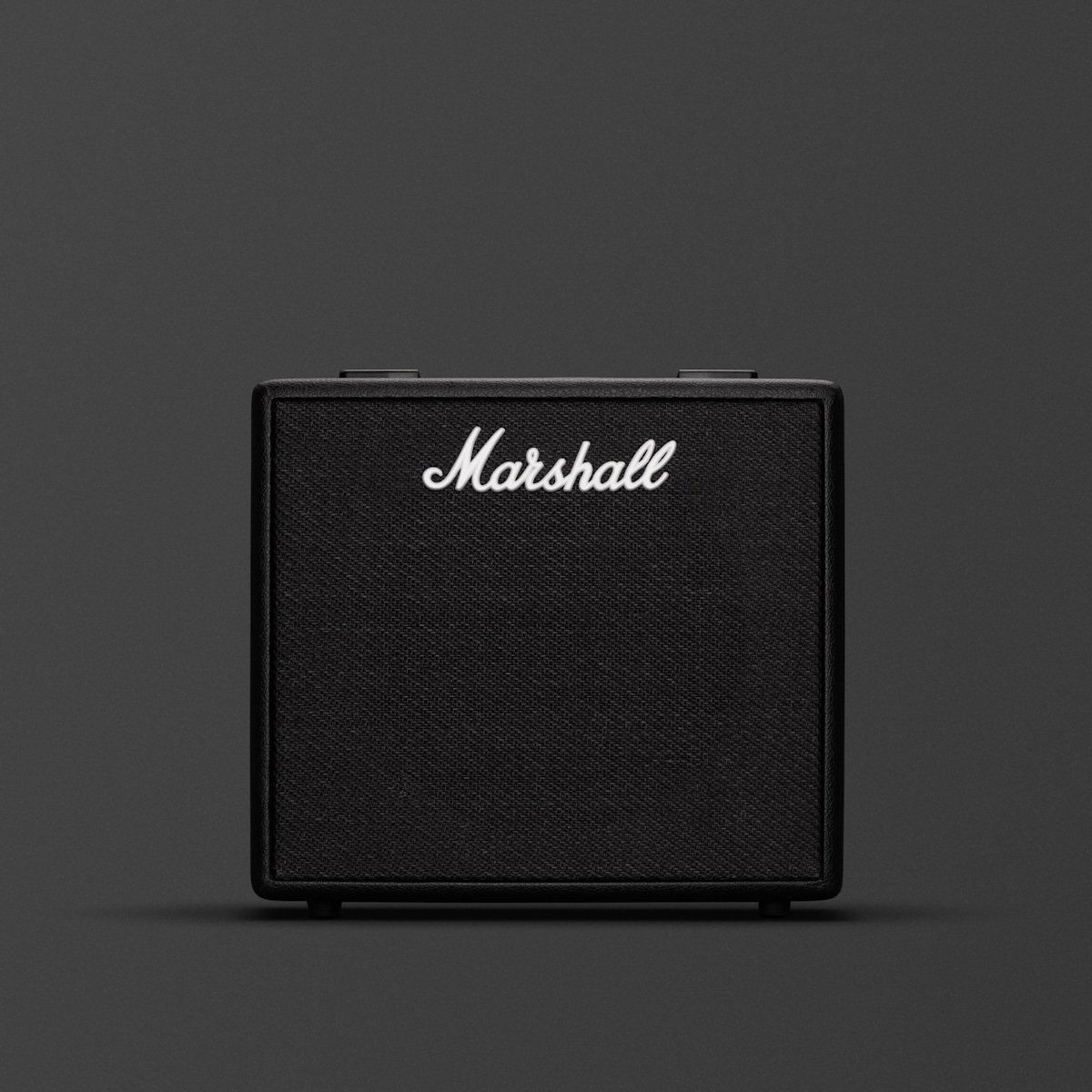
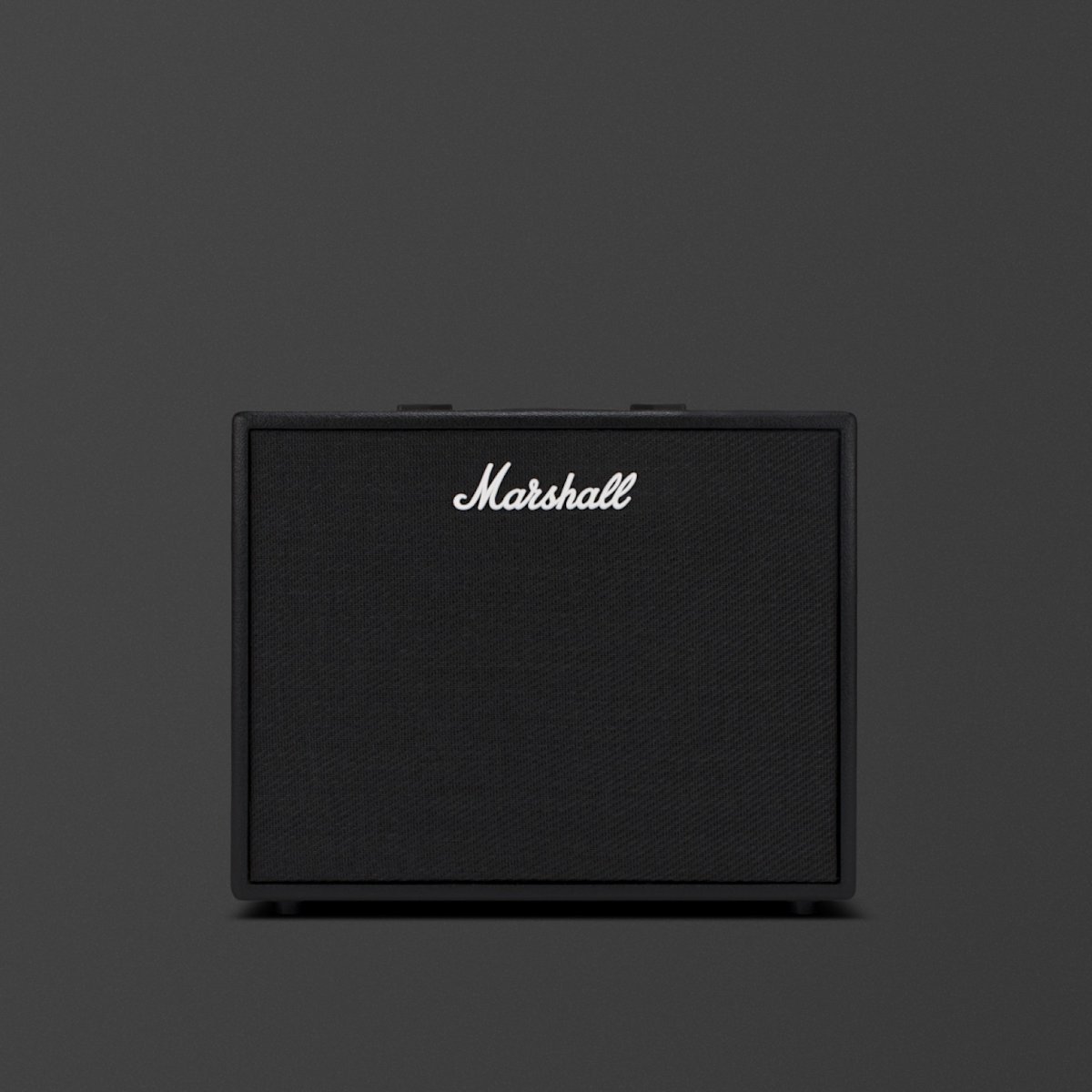
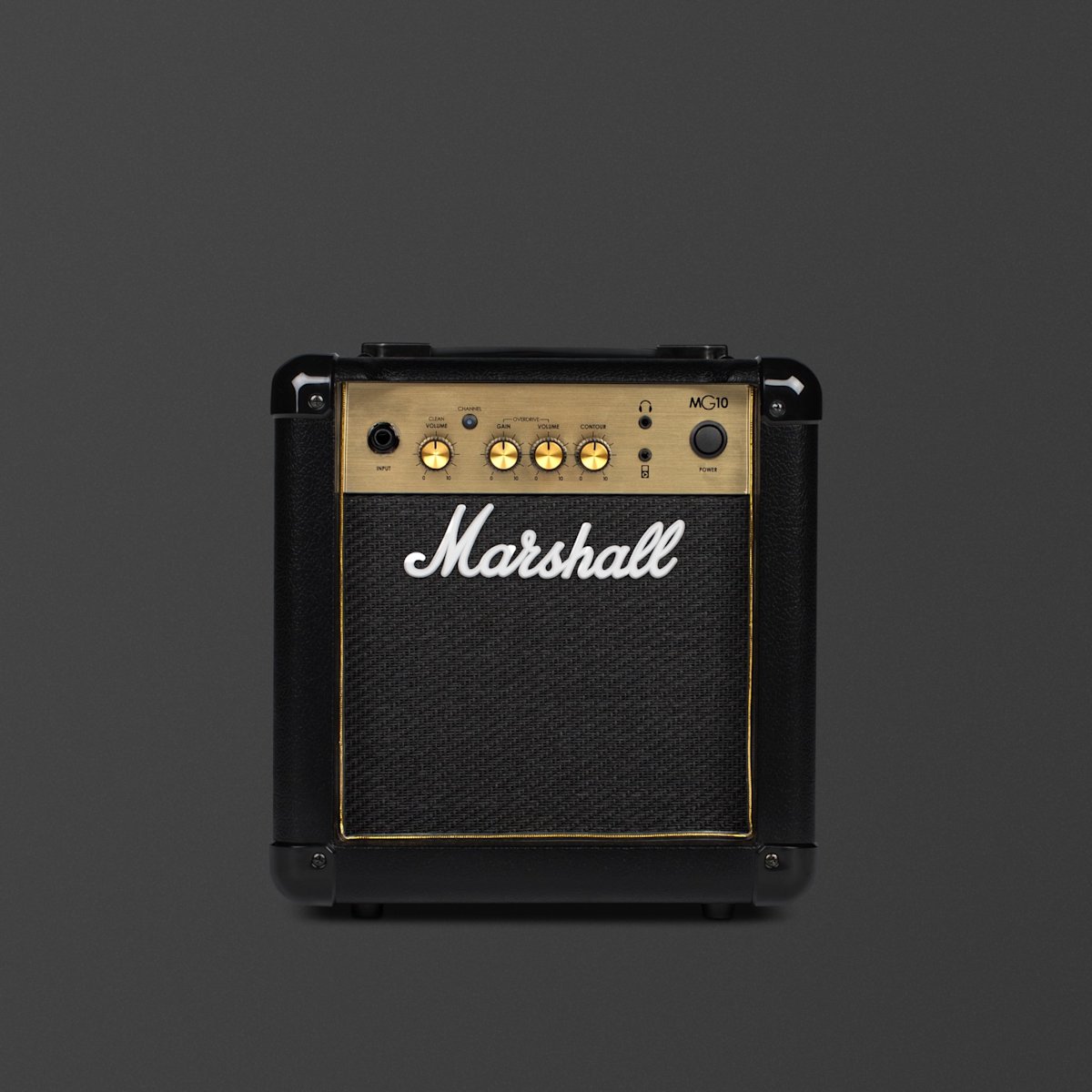
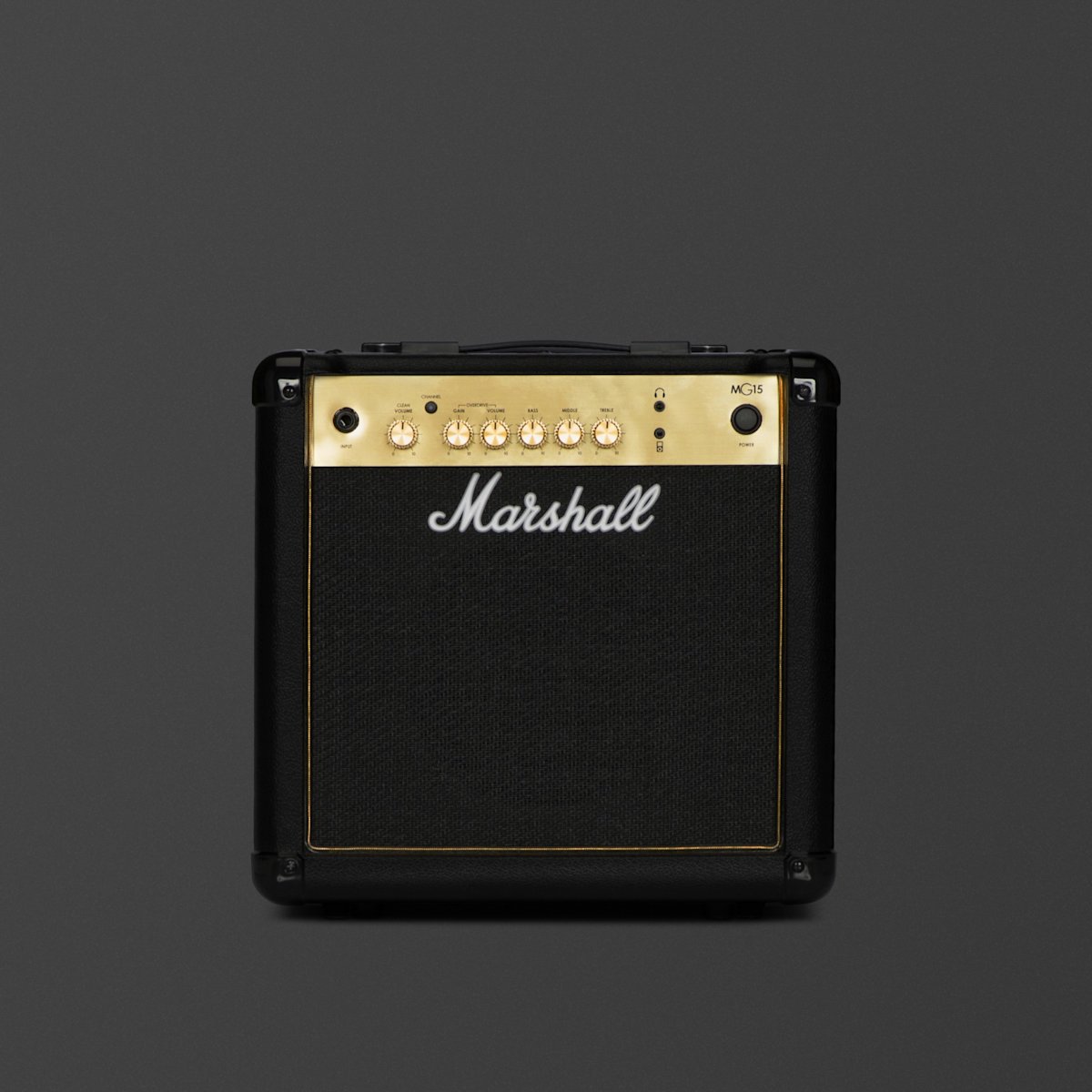
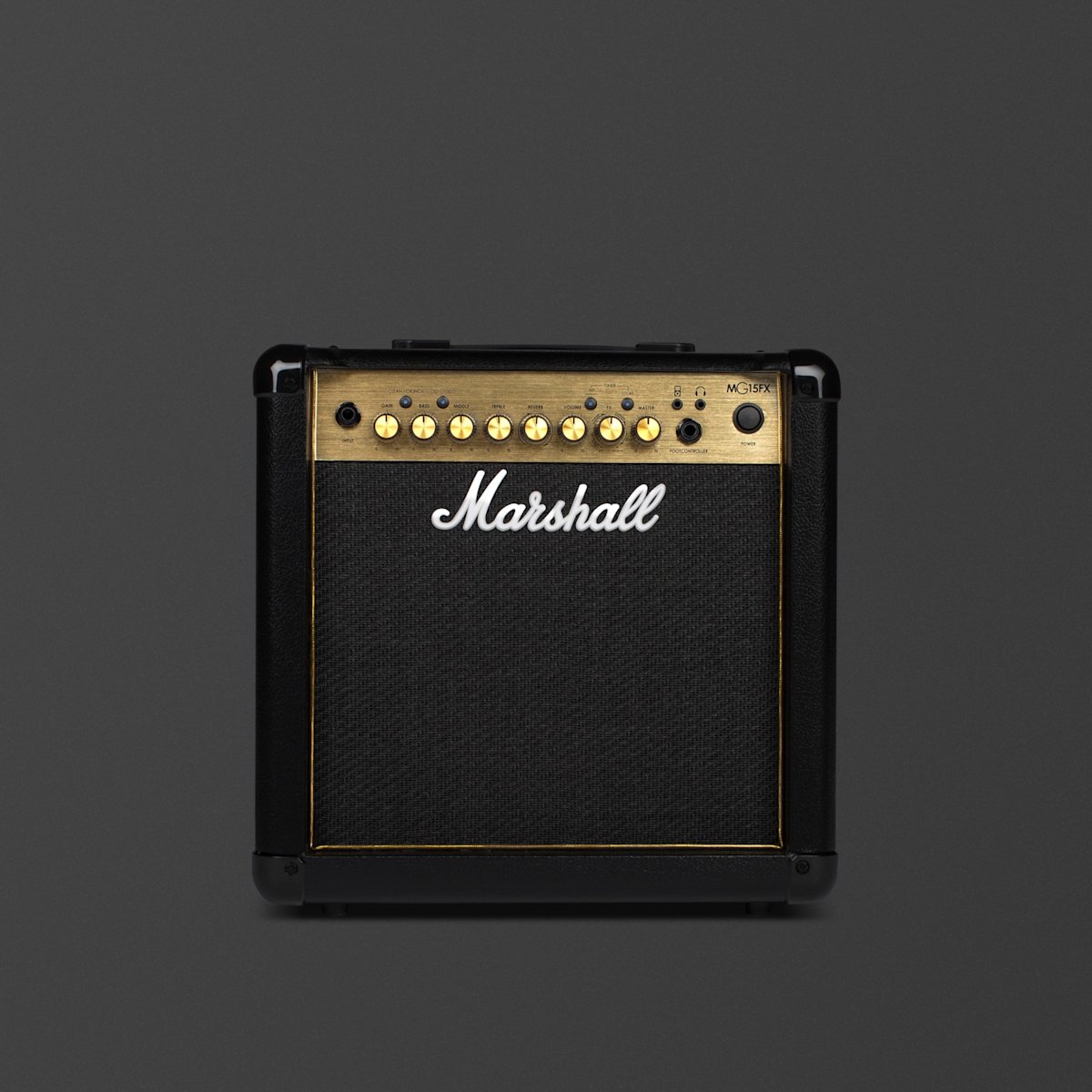
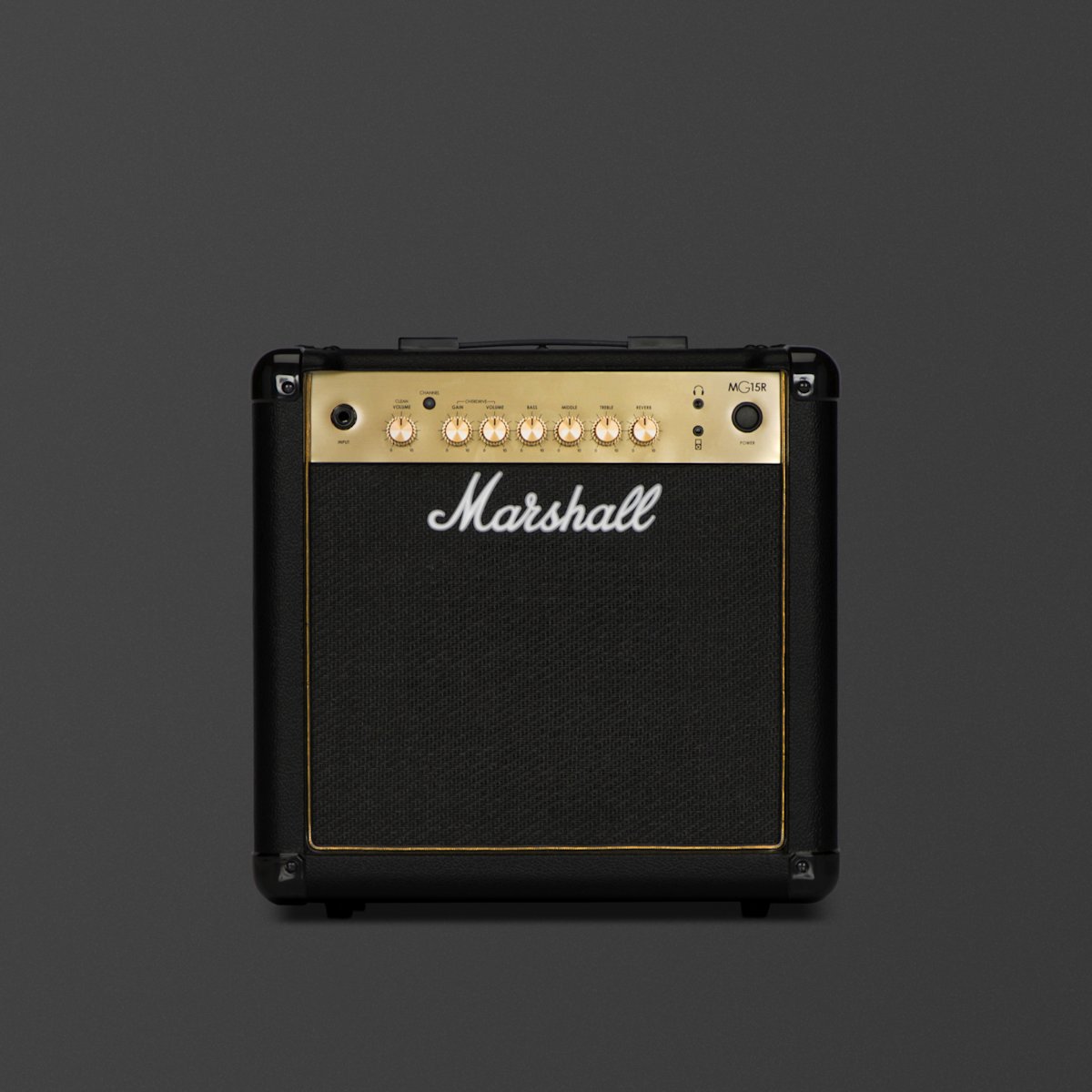
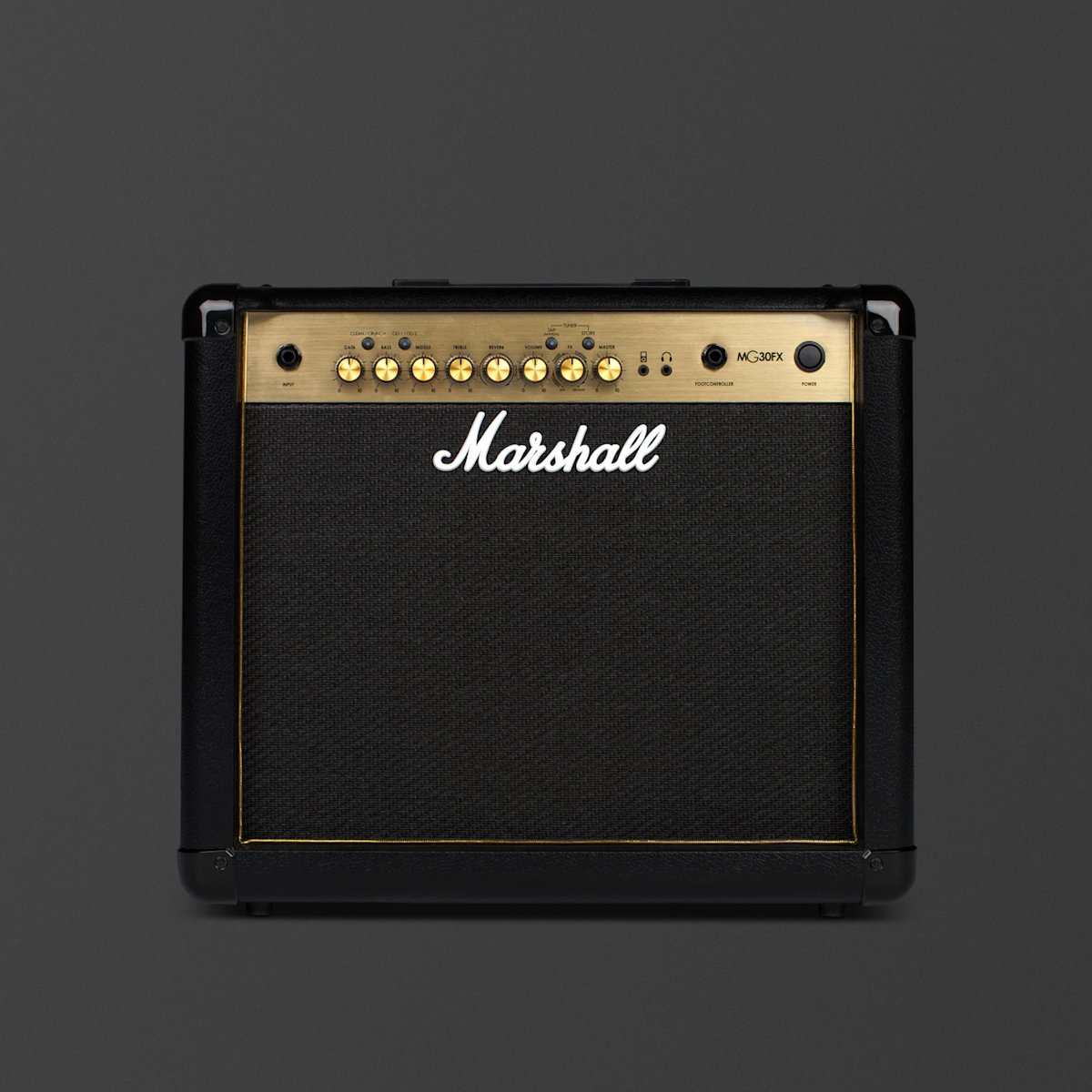
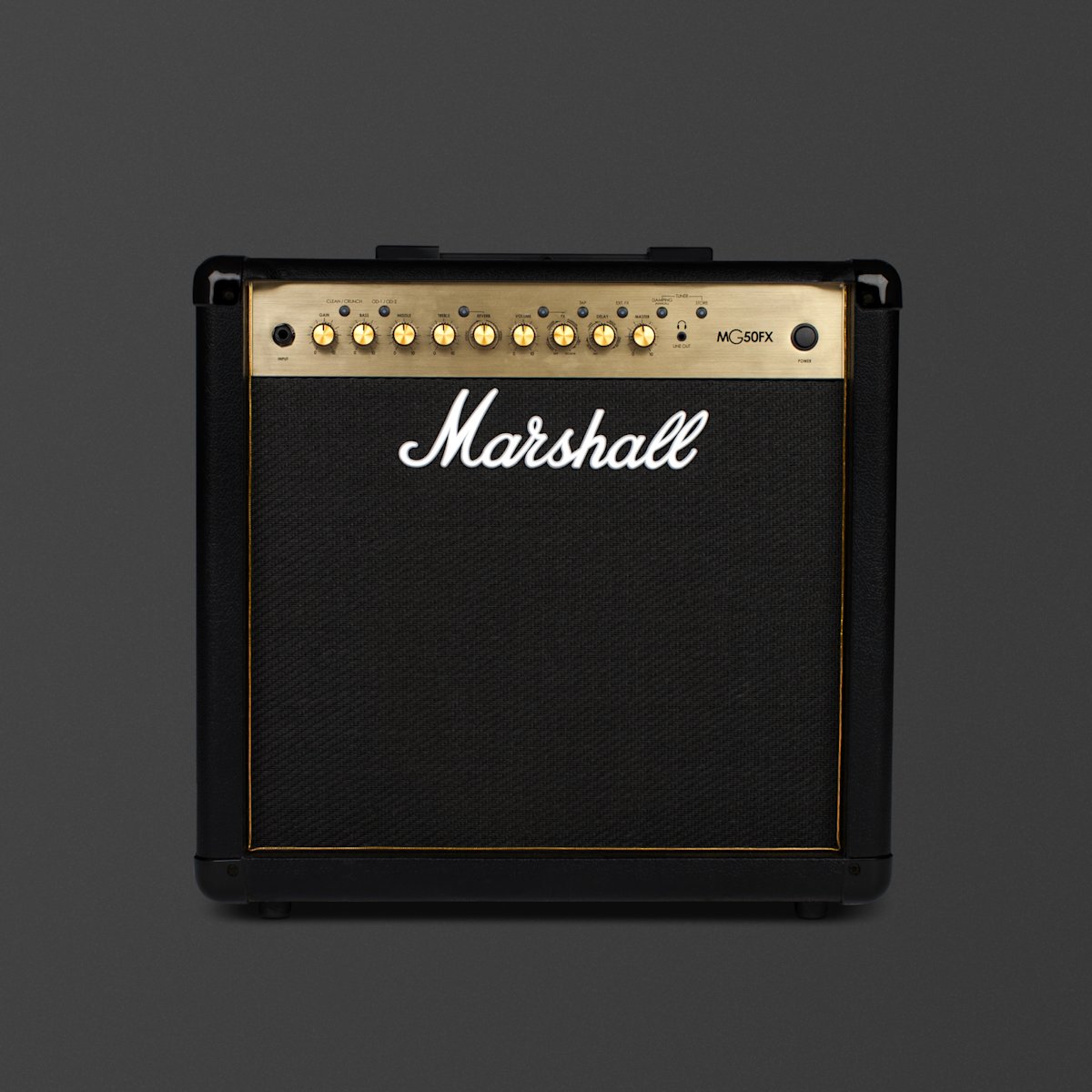
A combo, or combination amp, takes the head and cab components and puts them together in one unit. The inputs and tone controls are usually loaded on the front or top of the unit and the speaker directly below.
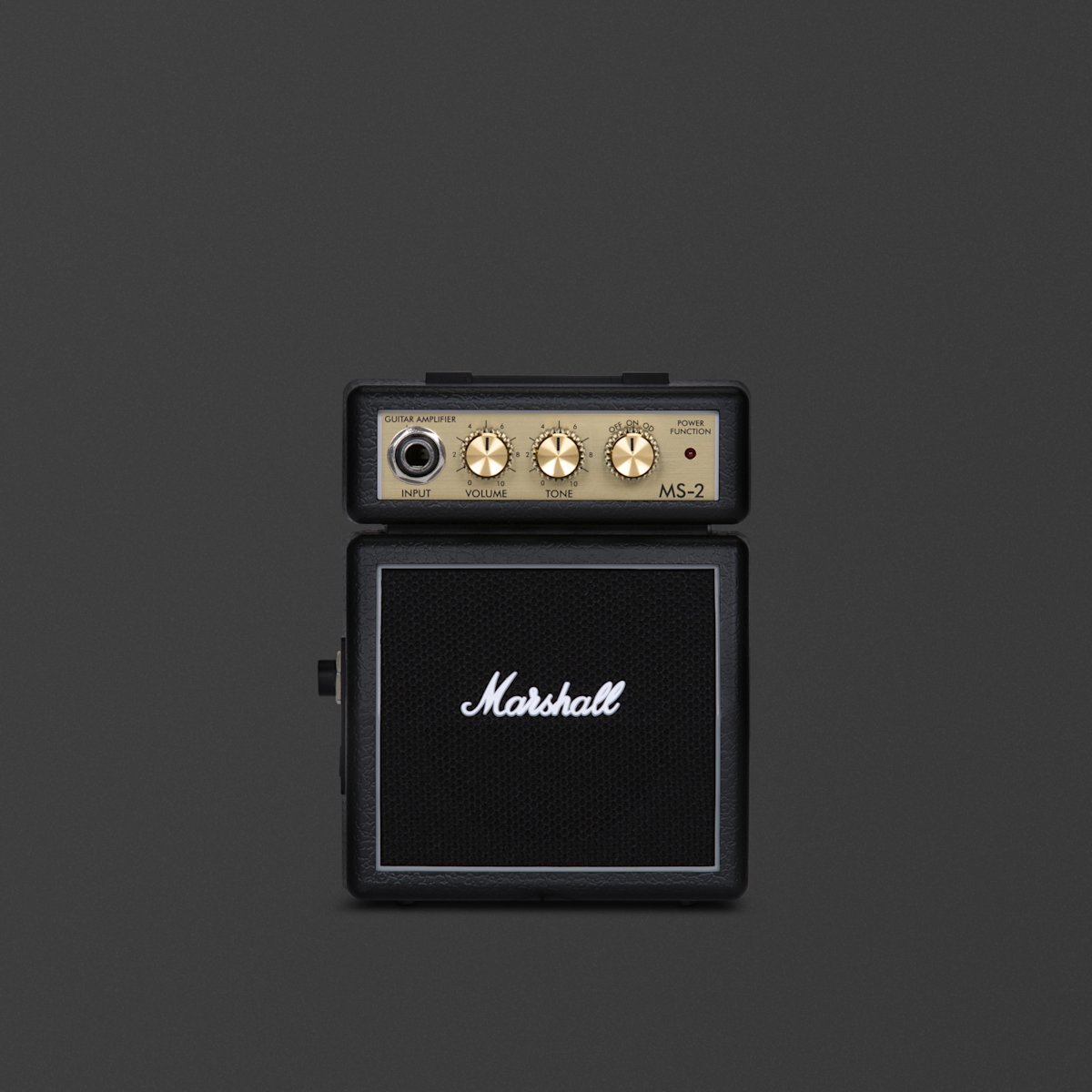
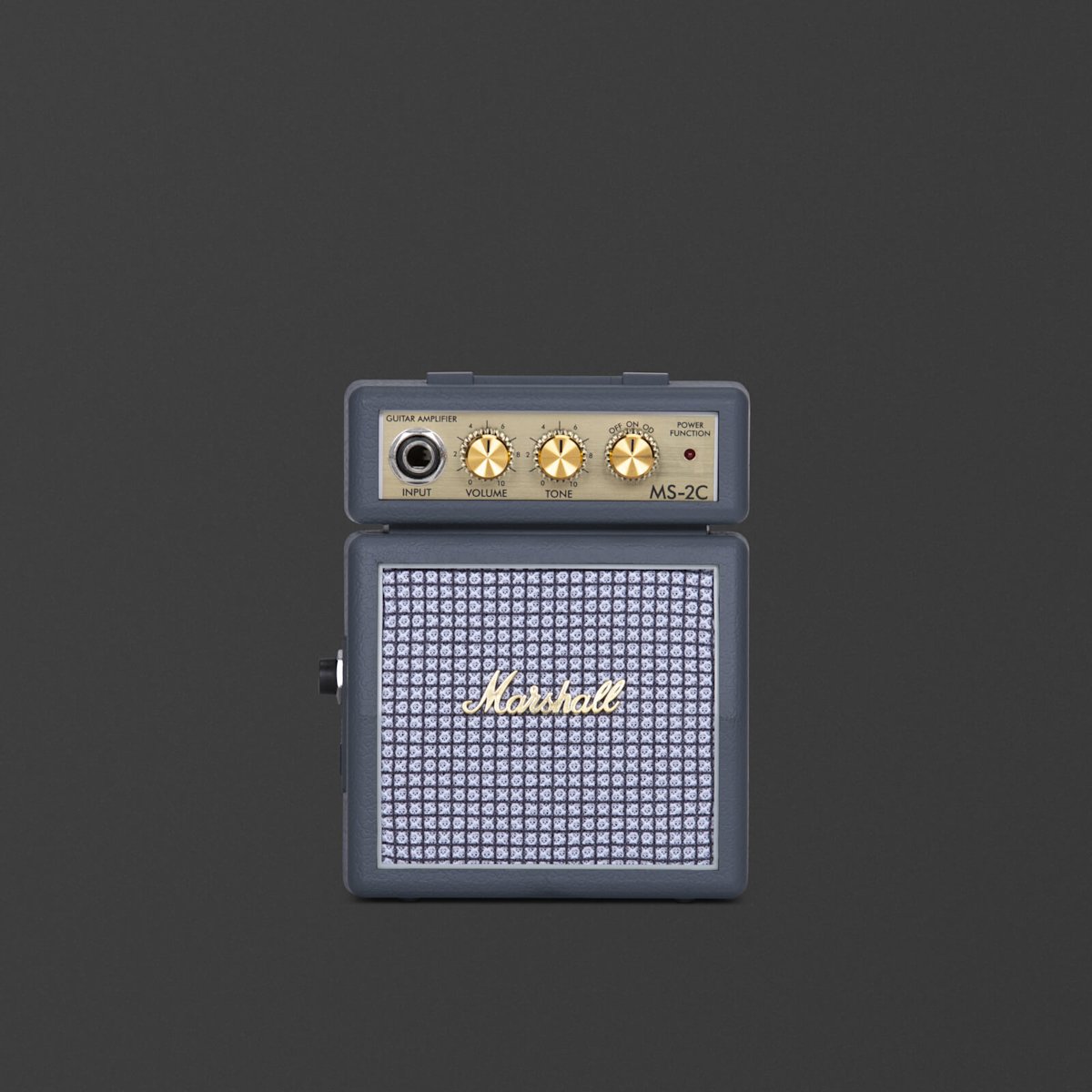
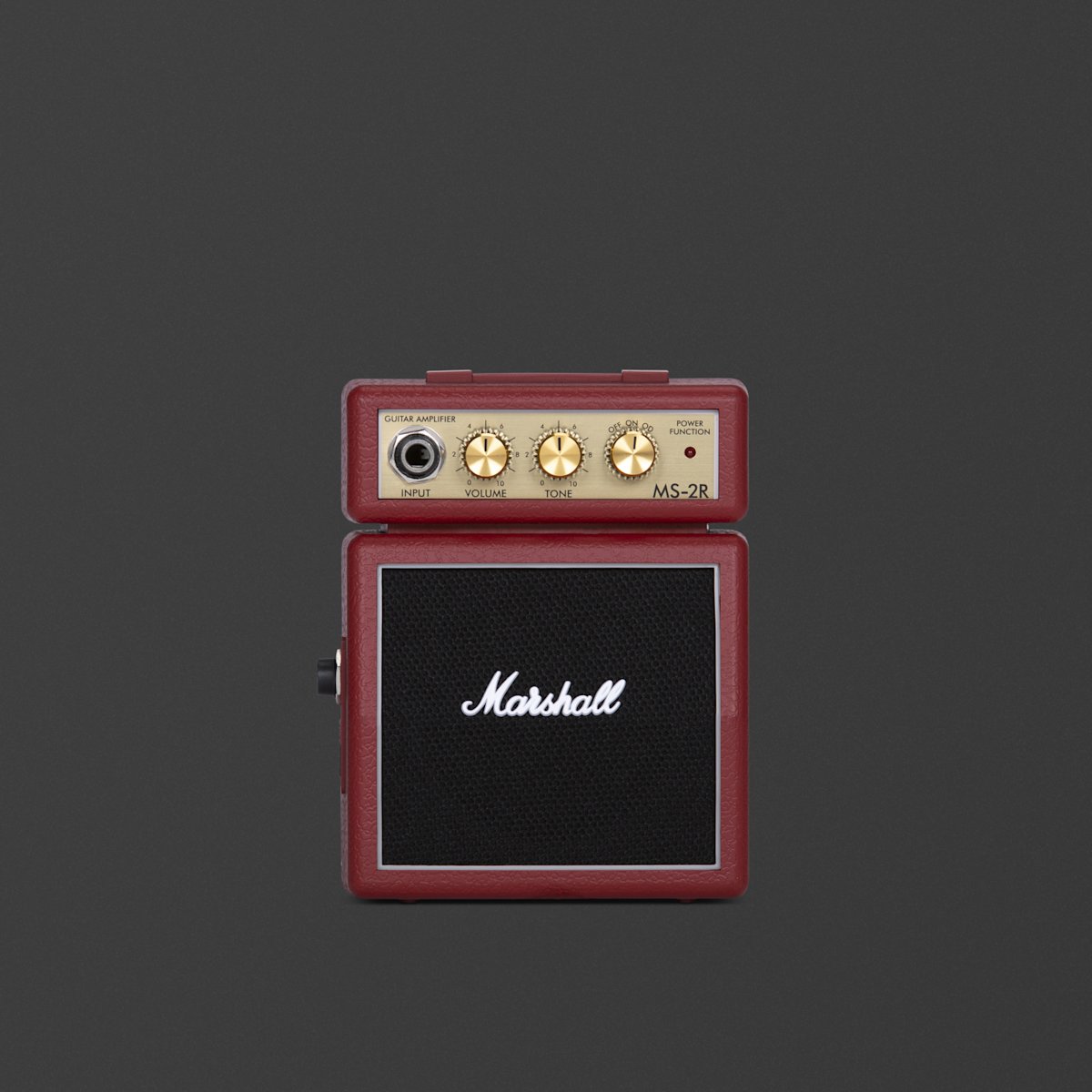
Typically, combo amps can be found with lower wattages, than their 2-piece counterparts and are usually fitted with one or two speakers ranging from anything between 5” to 12” speakers.
Rack/Digital
Another option, when looking at amplifiers, is the rack/digital variety. This amp type grew popular throughout the 80s but has recently had a resurgence with new additional features. This amp type will mean that you’ll have a flight case containing the amp and have separate racked units for the preamp, power amp and FX.
How do I know what type of amp I should use?
Different amps each have their own unique sound, but one thing that’s important to remember when choosing an amp is what situation you’ll be using it in.
Travelling musicians, who tend to be more casual players, often found at rehearsals or occasionally playing at smaller venues, often tend to favour a combo with a 12" speaker – which gives them the portability of a combo but the power and loudness of the 12” speaker. In contrast, touring musicians who own a van and play more regularly at larger venues, will more commonly use the head and cab option as they don’t have to worry about the portability problem.
You’ve probably heard the phrase 'the bigger the amp the better the amp' but that isn’t always the case... believe it or not, some of the biggest and most iconic riffs were originally recorded on smaller amplifiers! It’s a common misconception in the music industry that using a 20W combo wouldn’t be able to be heard when performing on stage. However, if you mic up your speaker correctly (or have it mic’d up by the sound engineer) it will be more than loud enough for any performance.
When buying an amp one other thing to remember is headroom. If you’re playing style is heavily distorted riffs, with additional added effects, your amp is going to need to provide you with more headroom for you to achieve your tone. If that sounds like you then a 100W amp head paired with a 4x12” cabinet would be able to accommodate your sound. If jazz is more your style and you find yourself mainly focusing on creating clean tones, you might find the sound you're after in a small, slightly pushed, combo.
What types of pedals are there?
There are countless amounts of pedals available on the market, but below is a brief list and description of the most commonly used
Boost/Clean boost pedals
The boost (or clean boost) effect pedal does exactly what you’d think it’d do – it adds a boost to the overall signal volume. Perfect for those soaring solo moments.
Overdrive pedals
Inspired by classic amps of the 60s, the overdrive effect pedal creates a sound similar to an amp being pushed to its limits. Stay in control of your sound and select how much overdrive you add, from very subtle to very noticeable.
Distortion pedals
Perfect for rock and metal guitarists, the distortion effect pedal will add more aggression and a harsher overdriven tone to your playing.
Fuzz pedals
The fuzz effect pedal is very similar to the distortion pedal but instead clips the signal to compress it and give it a ‘crazy’ effect.
Delay/Echo pedals
You’ve probably guessed this one! The delay (or echo) effect pedal creates a repeat of the signal after it’s been played. These pedals will also give you control over the number of repeats, the mix amount and time.
Reverb pedals
The reverb effect pedal allows you to transport your sound to a large empty room... or at least that’s what it sounds like! These pedals will emulate the sound of a large room and create space around your signal.
Why should I use pedals?
There are various ways that you can add effects to your playing but one of the most common and accessible is through the use of effects pedals. Pedals can be used alongside an amp, already adjusted to your tone, to give it an extra boost or with a clean amplifier which will allow the pedals to create their own desired effect.
Pedals are a simple and portable solution which allows you to incorporate effects into your playing on the go. The small size and light weight of pedals means that you’re able to take them with you wherever you go, as opposed to the size and weight of an amp. Adjust your pedals to match your tone and take them with you, so you can easily adapt your sound and tone in any environment. Don’t be afraid to play around and add more than one effect... once you’ve discovered the combination of pedals that bring your sound to life, craft your own pedalboard so you’re always ready to make some noise!